
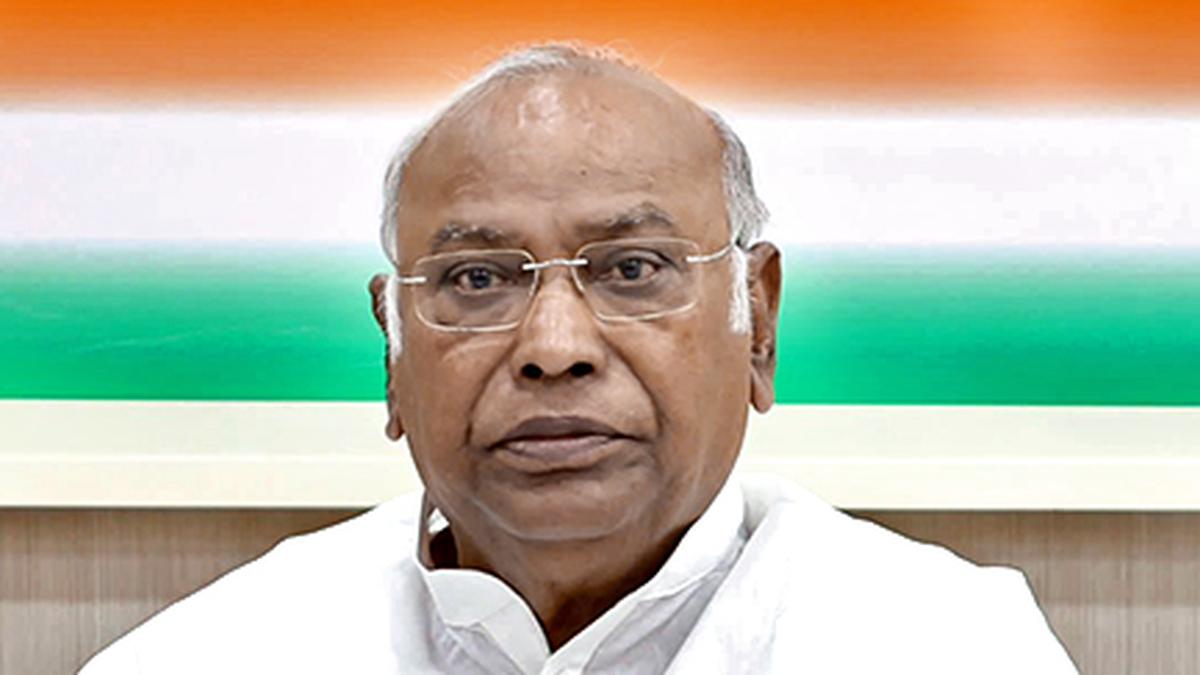
Senior Congress leader and Leader of the Opposition Mallikarjun Kharge has launched a sharp attack on Union Education Minister Dharmendra Pradhan, accusing him of failing to safeguard the interests of students and alleging that repeated irregularities in the education sector have severely damaged the future prospects of young aspirants across the country.
The criticism came amid continuing political debate over examination-related controversies, paper leak allegations, and concerns regarding the functioning of national testing and educational institutions. Kharge argued that the government has failed to ensure transparency, fairness, and accountability in the conduct of major examinations, leaving lakhs of students facing uncertainty about their academic and professional futures.
Kharge Questions Minister’s Accountability
Addressing the issue publicly, Kharge alleged that despite growing concerns over the management of examinations and admissions processes, the Education Minister has not accepted responsibility for the difficulties faced by students. He claimed that repeated controversies have undermined confidence in the country’s educational system and have caused immense stress among students and their families.
According to Kharge, students who invest years preparing for competitive examinations deserve a reliable and transparent system. He argued that recurring disruptions, allegations of malpractice, and administrative shortcomings have weakened trust in institutions responsible for conducting high-stakes examinations.
The Congress president maintained that accountability should extend to the highest levels of governance and questioned why corrective measures had not been implemented sooner despite repeated warnings from opposition parties and education experts.
Concerns Over Students’ Future
A central theme of Kharge’s criticism was the impact of examination controversies on students. He stated that young people preparing for higher education and career opportunities have been the biggest victims of administrative failures.
The opposition leader emphasized that students from economically weaker backgrounds are particularly affected when examinations are delayed, cancelled, or questioned due to allegations of irregularities. Many candidates invest significant financial resources, travel long distances, and dedicate years of preparation to competitive exams, making any disruption especially damaging.
Kharge argued that educational opportunities should not be compromised by governance failures and called for stronger safeguards to protect students from future uncertainties. 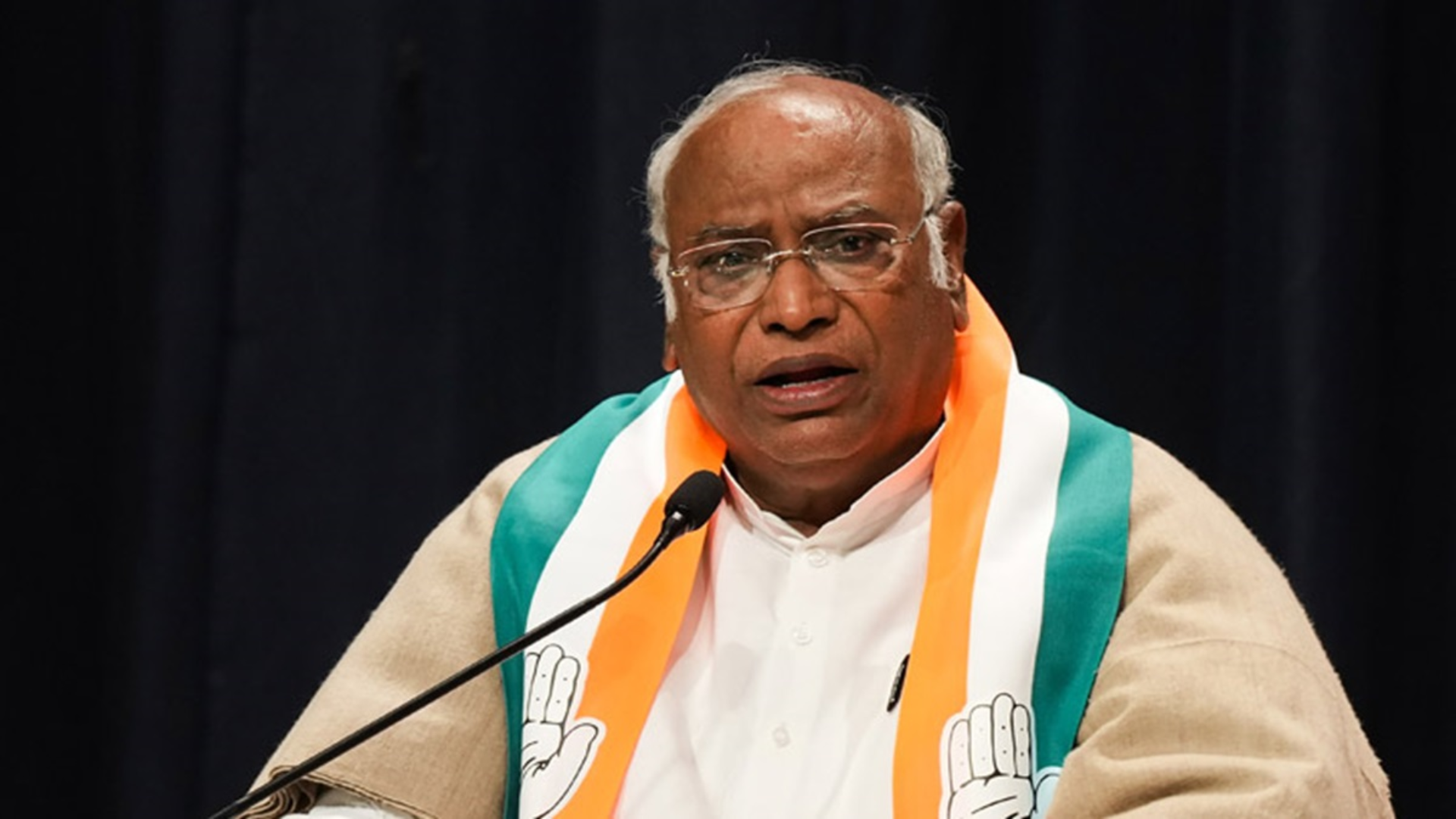
Demand for Structural Reforms
Beyond criticism of the Education Minister, Kharge urged the government to undertake comprehensive reforms aimed at restoring confidence in the examination system. He stressed the need for stronger oversight mechanisms, improved security protocols, and greater transparency in the administration of national-level examinations.
He also called for independent investigations into allegations of irregularities wherever necessary and demanded that those found responsible be held accountable. According to him, restoring public trust requires not only identifying problems but also implementing long-term institutional reforms.
Education experts and opposition leaders have increasingly emphasized the need for modernized examination systems, enhanced digital security measures, and stricter monitoring of testing agencies to prevent future controversies.
Political Tensions Escalate
Kharge’s remarks add to the ongoing political confrontation between the ruling government and opposition parties over the handling of education-related issues. The Congress has repeatedly raised concerns regarding examination management and student welfare, while the government has defended its actions and highlighted efforts to strengthen educational institutions.
The exchange reflects a broader political debate over governance, accountability, and the quality of public institutions. With education affecting millions of students nationwide, the issue is likely to remain a major point of contention in Parliament and public discourse.
Focus on Student Welfare
As the debate continues, student welfare remains at the center of the controversy. Opposition leaders argue that educational reforms must prioritize fairness, transparency, and accountability, while ensuring that students are not forced to bear the consequences of administrative lapses.
Kharge reiterated that protecting the future of students should be the government’s foremost responsibility and insisted that meaningful action is necessary to rebuild confidence in the country’s examination and education systems.
The controversy has once again highlighted the importance of maintaining the integrity of national examinations and ensuring that aspiring students can pursue their academic goals without uncertainty or disruption.