
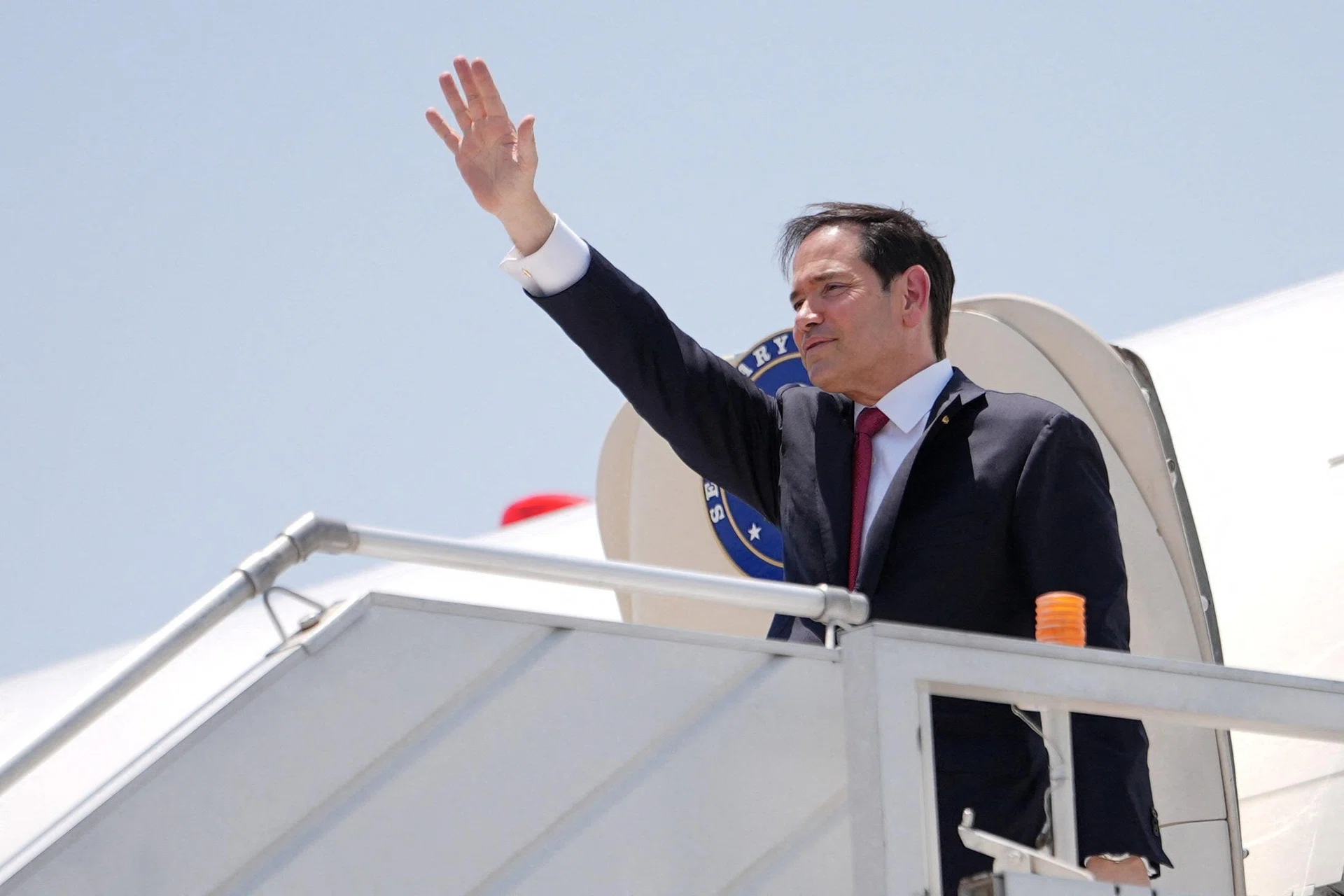
A proposed $300 billion investment initiative aimed at supporting Iran’s economic recovery has once again become a focal point of diplomatic discussions as U.S. Secretary of State Marco Rubio begins a series of high-level meetings with key Gulf allies. The diplomatic tour, which includes stops in Kuwait, the United Arab Emirates, and Qatar, comes amid growing concerns over regional security, economic stability, and the future direction of U.S. policy toward Iran.
The investment proposal, which has generated significant debate among policymakers and regional stakeholders, is viewed by some as a potential mechanism for encouraging economic development and reducing tensions in the Middle East. Critics, however, argue that such a large-scale financial commitment could provide Tehran with resources that may alter the strategic balance of the region.
Gulf Allies at the Center of Strategic Discussions
Rubio’s meetings with Gulf leaders are expected to focus on a broad range of issues, including regional security cooperation, energy markets, economic partnerships, and Iran’s role in the Middle East. The discussions are taking place at a time when Washington is seeking to strengthen ties with longstanding partners while addressing evolving geopolitical challenges.
The Gulf states have emerged as critical players in regional diplomacy, balancing economic ambitions with security concerns. Their relationships with both the United States and Iran have become increasingly important as efforts continue to prevent further escalation across the region.
Officials familiar with the discussions indicate that the proposed investment framework has become an important topic because of its potential implications for regional stability. Gulf governments are closely monitoring how any future economic engagement with Iran could affect security arrangements, trade routes, and broader diplomatic efforts.
The Origins of the Investment Proposal
The idea of a substantial international investment package for Iran has been discussed in various diplomatic circles as part of broader efforts to encourage economic modernization and reduce incentives for regional confrontation. Supporters believe that integrating Iran more deeply into regional and global economic systems could contribute to long-term stability.
Under the concept being debated, significant financial resources would be directed toward infrastructure development, industrial growth, energy projects, and economic reforms. Advocates argue that improving economic conditions could create opportunities for cooperation and lessen the likelihood of future conflicts.
However, the proposal remains controversial. Opponents contend that without strict oversight mechanisms and verifiable commitments from Tehran, large-scale investments could fail to achieve their intended objectives. Concerns persist regarding transparency, accountability, and the potential strategic consequences of substantial financial inflows. 
Regional Security Concerns Drive Debate
Security remains the dominant issue shaping Gulf perspectives on any economic engagement with Iran. Several regional governments have repeatedly emphasized the need for guarantees that any future arrangements will contribute to stability rather than increase tensions.
The Middle East continues to face multiple security challenges, including conflicts involving regional proxies, maritime security concerns, and ongoing disputes that affect diplomatic relations. Gulf leaders are expected to raise these issues during discussions with Rubio, seeking clarity on Washington’s long-term strategy.
Analysts note that economic proposals of this scale cannot be separated from broader security considerations. Any initiative involving Iran is likely to be evaluated not only on financial merits but also on its impact on regional power dynamics and strategic partnerships.
Washington’s Balancing Act
The United States faces the challenge of balancing diplomatic engagement with deterrence. Policymakers are attempting to maintain strong security partnerships with Gulf allies while exploring avenues that could reduce regional tensions and encourage constructive dialogue.
Rubio’s visit is being closely watched as an indicator of how the current U.S. administration intends to approach relations with both Iran and key Middle Eastern partners. Observers believe the discussions could help shape future policy decisions regarding economic initiatives, sanctions frameworks, and regional cooperation mechanisms.
At the same time, Gulf states are seeking assurances that their security interests will remain a priority. Many governments in the region view close coordination with Washington as essential for addressing emerging threats and maintaining stability.
Economic Stakes Extend Beyond Iran
The debate surrounding the proposed investment fund extends beyond Iran itself. The outcome could have broader implications for energy markets, regional trade, foreign investment flows, and economic integration across the Middle East.
Gulf economies are increasingly diversifying and pursuing ambitious development strategies. As a result, regional leaders are evaluating how changes in Iran’s economic position could influence competition, investment opportunities, and long-term economic planning.
Supporters of greater economic engagement argue that a more stable and economically integrated region could create benefits for multiple countries. Critics, however, caution that such outcomes are far from guaranteed and depend heavily on political developments and regional cooperation.
Diplomatic Tour Highlights Regional Priorities
Rubio’s engagements in Kuwait, the UAE, and Qatar underscore the growing importance of Gulf states in shaping Middle Eastern diplomacy. The meetings provide an opportunity for allies to coordinate positions on major regional issues while addressing concerns about future U.S. policy.
The renewed attention on the proposed $300 billion Iran investment initiative reflects the broader challenge facing policymakers: finding a balance between economic opportunity, diplomatic engagement, and regional security. As discussions continue, the proposal is likely to remain a subject of intense debate among governments, analysts, and international stakeholders.
While no final decisions are expected during the current round of meetings, the conversations taking place across the Gulf could play a significant role in determining how the region approaches economic cooperation, security partnerships, and relations with Iran in the years ahead.