
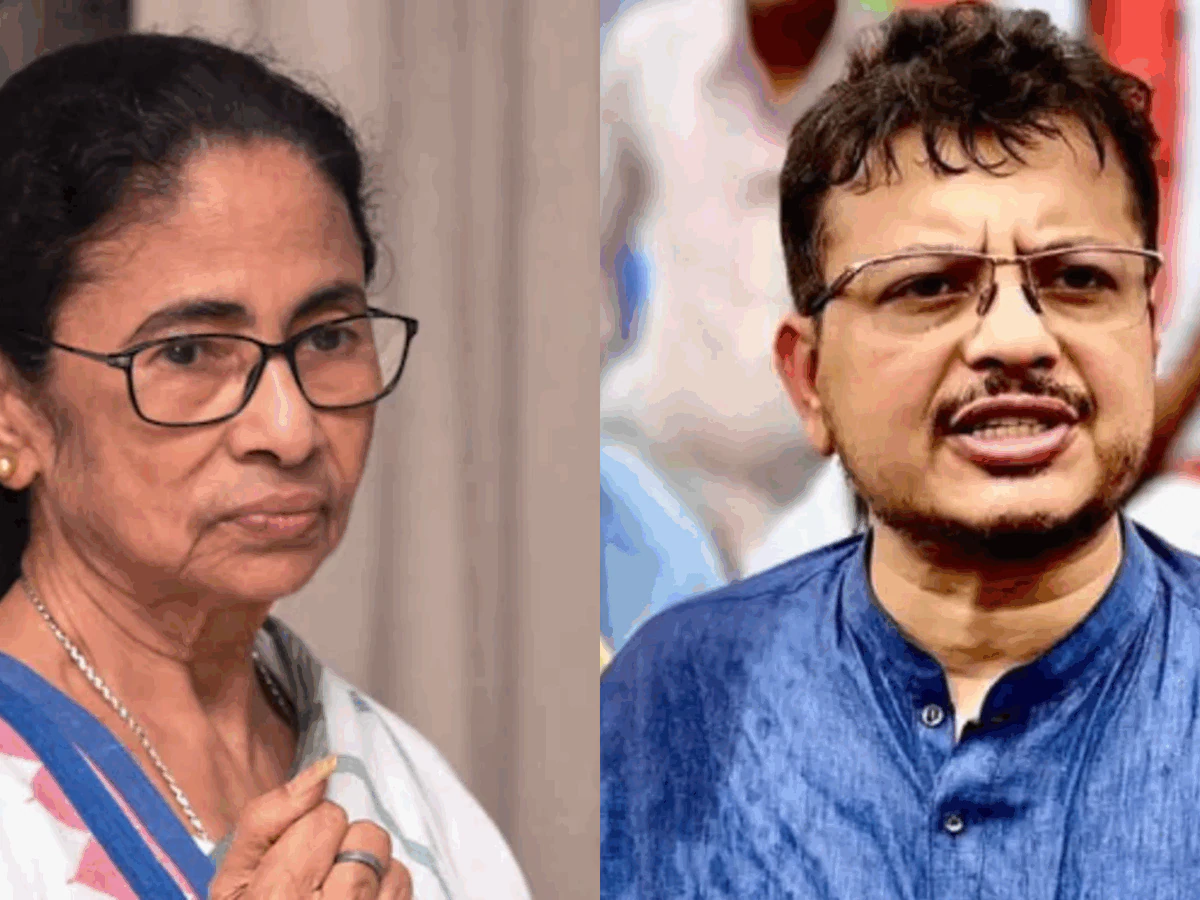
A major political confrontation within the Trinamool Congress (TMC) has escalated further, with West Bengal Leader of the Opposition Ritabrata Banerjee declaring that his faction represents the “real” Trinamool Congress amid an intensifying battle for control of the party’s future.
The statement comes against the backdrop of a deepening internal conflict that has exposed divisions within one of West Bengal’s most influential political organizations. The dispute has evolved from disagreements over leadership and organizational direction into a broader struggle over legitimacy, authority, and political identity.
Ritabrata Banerjee Rejects Symbol Dispute Claims
Addressing the media amid the ongoing controversy, Ritabrata Banerjee maintained that there was no dispute regarding the party’s election symbol. He argued that his camp does not need to seek recognition as a separate entity because, according to him, it already represents the genuine Trinamool Congress.
Banerjee described recent communications with electoral authorities as routine procedural matters associated with party functioning and legislative affairs. He insisted that the rebel faction considers itself the authentic continuation of the party rather than a breakaway group seeking separate recognition.
His remarks signal a significant escalation in the ongoing power struggle, as the dissident camp increasingly positions itself not merely as an opposition bloc within the organization but as the rightful leadership of the party.
Growing Internal Turmoil
The crisis within the Trinamool Congress has been building for several weeks following growing dissatisfaction among a section of legislators and senior leaders. The tensions intensified after a substantial group of MLAs rallied behind Ritabrata Banerjee, strengthening his claim to leadership within the legislative wing.
The rebel faction has argued that it enjoys the support of a majority of the party’s legislators in the state assembly. This assertion has become central to its efforts to establish political legitimacy and challenge the authority of the existing leadership structure.
The developments have transformed what initially appeared to be an internal disagreement into a full-fledged organizational crisis, with competing camps advancing conflicting narratives regarding who truly represents the party. 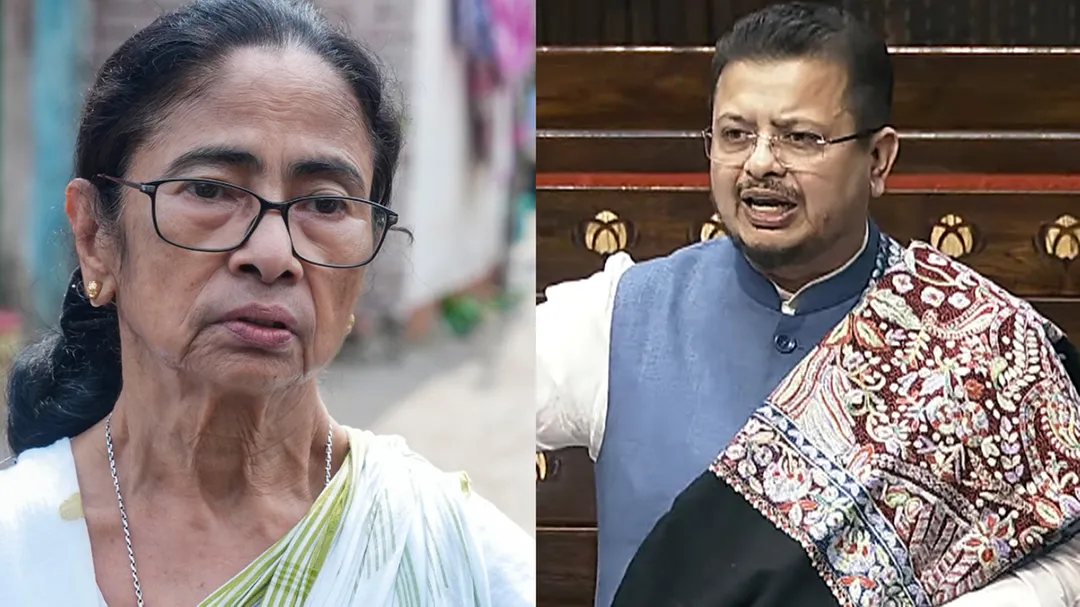
Challenge to Established Leadership
The rebellion has posed one of the most serious challenges to the leadership associated with Mamata Banerjee in the party’s history. Dissident leaders have questioned key organizational decisions and called for significant changes in the party’s internal structure.
In recent weeks, the rebel camp has taken several dramatic steps aimed at projecting itself as an alternative leadership center. These moves have included organizational announcements, restructuring efforts, and public declarations intended to demonstrate its influence among elected representatives.
The actions have prompted strong responses from the party’s traditional leadership, resulting in disciplinary measures and an increasingly public exchange of accusations.
Battle for Organizational Control
At the heart of the conflict lies a contest over organizational control and political direction. Both factions have sought to establish their authority through legislative strength, party structures, and institutional channels.
The dispute has expanded beyond internal meetings and political statements, with both sides taking steps to formalize their respective claims. Observers view the confrontation as a defining moment that could reshape the future trajectory of the party.
Political analysts note that such leadership disputes often become critical tests of organizational cohesion, particularly when rival groups claim majority support and competing mandates.
Implications for West Bengal Politics
The escalating conflict carries significant implications for the political landscape of West Bengal. The Trinamool Congress has long been a dominant force in state politics, and any prolonged instability within the party could have far-reaching consequences for opposition politics, legislative dynamics, and future electoral strategies.
The emergence of competing leadership claims has also raised questions about how the party’s support base, elected representatives, and organizational network will respond if the dispute continues to intensify.
For now, both camps remain firm in their positions. While the traditional leadership seeks to preserve organizational unity and authority, the rebel faction continues to insist that it embodies the true political and ideological legacy of the Trinamool Congress.
Uncertain Road Ahead
With neither side showing signs of backing down, the internal battle appears far from over. The coming weeks are expected to be crucial as competing factions seek institutional recognition, political support, and organizational control.
As the conflict unfolds, West Bengal’s political establishment is closely watching whether the party can overcome its internal divisions or whether the dispute will result in a more permanent realignment of political forces within the state.
The outcome of this struggle could shape not only the future of the Trinamool Congress but also the broader direction of West Bengal politics in the years ahead.