
Sri Lanka is facing a significant public health challenge as a sharp increase in dengue infections places mounting pressure on the country’s healthcare infrastructure. Health authorities are grappling with a surge in cases across several regions, prompting renewed concerns about disease management, hospital capacity, and long-term prevention strategies.
The outbreak has emerged as one of the most pressing health issues confronting the island nation, with medical professionals warning that the combination of favorable climatic conditions, urbanization, and recurring mosquito breeding sites is contributing to the rapid spread of the disease. The growing number of infections has led to increased admissions in hospitals and healthcare facilities, stretching resources that are already under strain.
Understanding Dengue and Its Impact
Dengue is a mosquito-borne viral infection transmitted primarily by the Aedes aegypti mosquito. The disease is widespread in tropical and subtropical regions and can cause symptoms ranging from mild fever to severe complications, including dengue hemorrhagic fever and dengue shock syndrome.
Common symptoms include high fever, severe headaches, muscle and joint pain, nausea, vomiting, and skin rashes. In severe cases, patients may experience internal bleeding, organ damage, and life-threatening complications requiring intensive medical care.
Sri Lanka has long battled dengue outbreaks, but health experts note that recent infection trends highlight the continuing vulnerability of the country to seasonal surges. The recurring nature of these outbreaks underscores the need for stronger prevention mechanisms and sustained public awareness campaigns. 
Why Cases Are Increasing
Several factors are believed to be driving the current spike in dengue infections.
Favorable Weather Conditions
Heavy rainfall followed by periods of warm temperatures creates ideal breeding environments for mosquitoes. Water accumulation in containers, drains, construction sites, and household surroundings allows mosquito populations to multiply rapidly.
Urban Growth and Population Density
Rapid urban expansion has increased the number of areas where stagnant water can collect. Densely populated neighborhoods provide favorable conditions for the transmission of dengue, as infected mosquitoes can easily spread the virus among large numbers of people living in close proximity.
Recurring Breeding Sites
Despite regular awareness campaigns, public health officials continue to identify mosquito breeding grounds in residential and commercial areas. Improper waste disposal, inadequate drainage systems, and insufficient community participation in cleanup efforts remain major challenges.
Pressure on the Healthcare System
The growing number of dengue patients has created considerable strain on Sri Lanka’s healthcare sector. Hospitals in affected regions are experiencing increased patient loads, requiring additional medical staff, beds, and resources.
Healthcare professionals have reported difficulties in managing large numbers of admissions during peak transmission periods. The need for continuous monitoring of severe dengue patients further intensifies the burden on medical facilities, particularly in regions where healthcare resources are limited.
The situation also affects routine healthcare services. As hospitals allocate resources to dengue management, other medical services can face delays or increased pressure, creating broader challenges for the healthcare system. 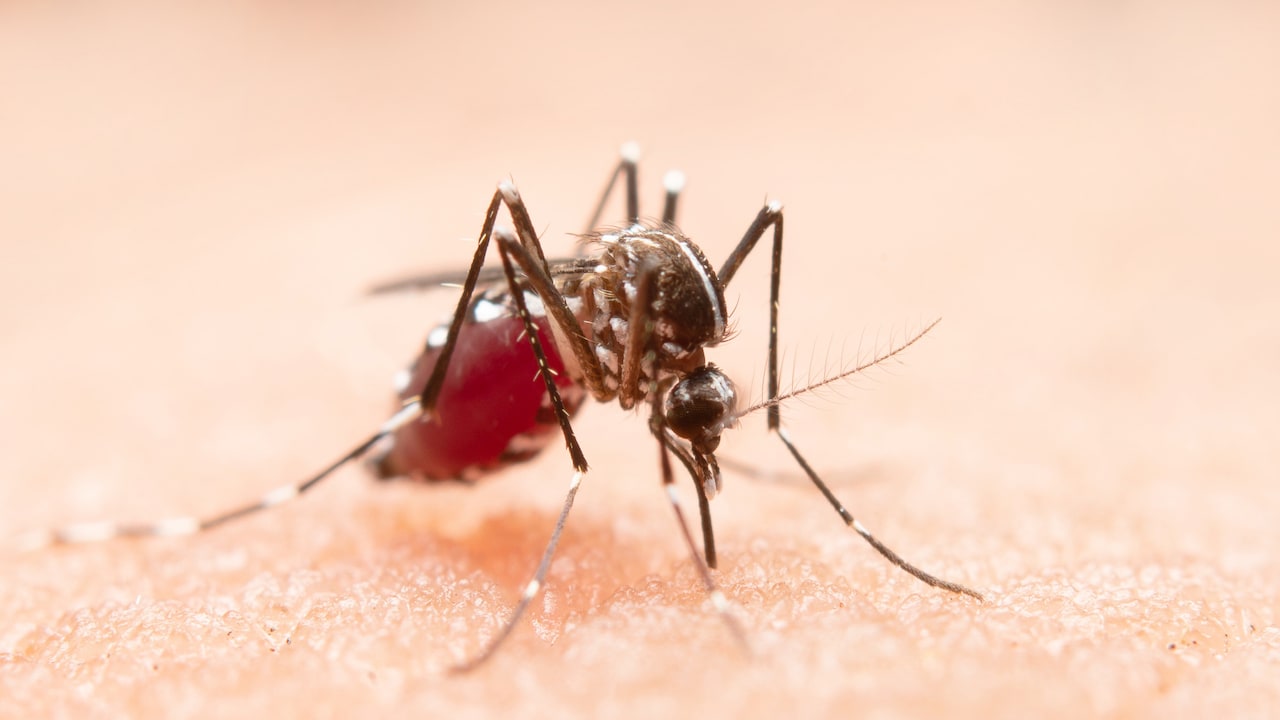
Government Response and Control Measures
Health authorities have intensified surveillance and prevention efforts in response to the outbreak. Public health teams are conducting inspections to identify mosquito breeding locations and encouraging communities to eliminate stagnant water sources.
Awareness campaigns have focused on educating residents about preventive measures, including:
- Removing standing water from homes and surroundings.
- Properly covering water storage containers.
- Maintaining clean drainage systems.
- Using mosquito repellents and protective clothing.
- Seeking medical attention promptly when symptoms appear.
Officials have also emphasized the importance of community participation, stressing that long-term dengue control depends on coordinated efforts between government agencies, local authorities, and the public.
Challenges in Long-Term Dengue Prevention
While emergency response measures can help reduce immediate transmission, experts argue that sustainable solutions require broader structural changes.
Improved urban planning, enhanced waste management systems, stronger environmental sanitation programs, and consistent public engagement are considered essential components of long-term dengue control. Health specialists also stress the need for continuous surveillance and early warning systems to detect outbreaks before they escalate.
Climate variability remains another challenge. Changes in rainfall patterns and temperature levels can influence mosquito populations, making outbreaks more difficult to predict and control.
Regional and Global Context
Dengue continues to pose a major public health threat across many countries in Asia and other tropical regions. The disease has expanded geographically over recent decades, with rising case numbers reported in several nations due to urbanization, climate-related factors, and increased population mobility.
Sri Lanka’s experience reflects broader regional concerns about mosquito-borne diseases and highlights the importance of coordinated public health strategies. Experts warn that without sustained intervention, dengue is likely to remain a recurring challenge with significant social and economic consequences.
Looking Ahead
As Sri Lanka works to contain the latest outbreak, health authorities remain focused on reducing transmission, protecting vulnerable populations, and preventing healthcare facilities from becoming overwhelmed. The current surge serves as a reminder that dengue is not merely a seasonal concern but a persistent public health issue requiring continuous vigilance.
The success of future prevention efforts will depend on a combination of effective government policies, strengthened healthcare preparedness, environmental management, and active public participation. With cases continuing to rise, the coming months will be crucial in determining how effectively the country can manage and mitigate the impact of the outbreak.