
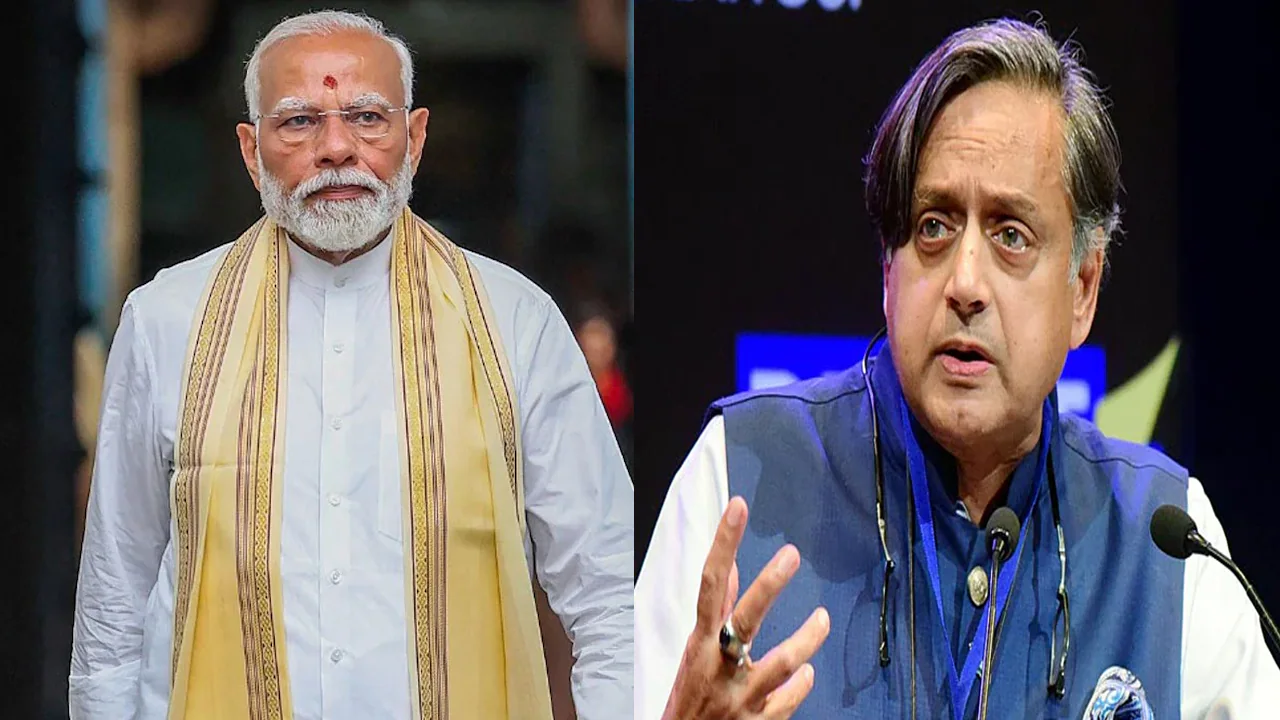
A fresh political debate has emerged within the Congress after senior party leader Shashi Tharoor publicly praised Prime Minister Narendra Modi’s diplomatic engagement during the recent G7 Summit. The remarks sparked widespread discussion across political circles, prompting reactions from several leaders and observers who viewed the comments as unusual coming from a prominent opposition figure.
Addressing the controversy, Congress General Secretary Jairam Ramesh maintained a measured stance, stating that leaders within the party are entitled to express their individual opinions. His remarks came amid growing attention on Tharoor’s assessment of the Prime Minister’s international outreach and diplomatic efforts.
Tharoor’s Remarks Trigger Political Discussion
The debate began after Shashi Tharoor commented positively on Prime Minister Modi’s participation in the G7 Summit, highlighting aspects of India’s international engagement and the country’s growing global presence. Tharoor’s observations were interpreted by many as an acknowledgment of the government’s diplomatic achievements, drawing both support and criticism.
Given the increasingly polarized political environment, the comments quickly became a subject of discussion among political analysts, party workers, and rival political groups. Critics within opposition circles questioned whether such praise could dilute the Congress party’s criticism of the ruling government, while others argued that acknowledging diplomatic successes should not necessarily be viewed through a partisan lens.
Jairam Ramesh Emphasizes Diversity of Views
Responding to questions regarding Tharoor’s remarks, Jairam Ramesh indicated that Congress leaders often hold and express a range of opinions on national and international issues. He stressed that public discourse within a democratic political party naturally accommodates differing perspectives.
According to Ramesh, Congress has a long tradition of internal debate and intellectual diversity. While the party maintains collective positions on major political matters, individual leaders may occasionally express personal assessments on specific developments.
His comments appeared aimed at downplaying suggestions of a major internal disagreement while reinforcing the notion that the Congress remains a broad-based political organization with multiple viewpoints represented within its ranks. 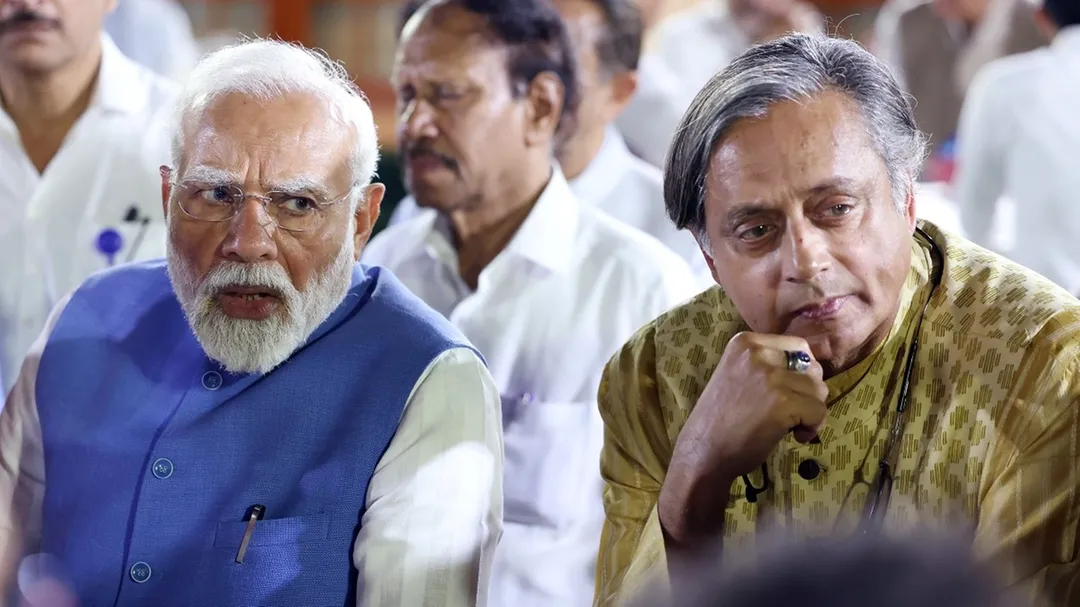
Internal Dynamics in the Congress
The episode has once again brought attention to the role played by Shashi Tharoor within the Congress. Known for his independent views, international experience, and strong public profile, Tharoor has frequently articulated positions that sometimes differ in tone from the broader opposition narrative.
Over the years, he has earned a reputation for evaluating issues on merit rather than strictly adhering to partisan lines. This approach has occasionally generated debate within the party but has also contributed to his image as one of Congress’s most influential public voices.
Political observers note that differences in emphasis among senior leaders are not uncommon in large national parties. Such discussions often reflect broader ideological debates about how opposition parties should engage with issues where they may acknowledge government achievements while continuing to challenge policy decisions in other areas.
Political Reactions Across the Spectrum
The controversy has drawn reactions from leaders across the political spectrum. Supporters of the ruling establishment cited Tharoor’s remarks as evidence that India’s diplomatic successes are receiving recognition beyond party lines. They argued that foreign policy achievements should be viewed as national accomplishments rather than partisan victories.
On the other hand, some opposition voices expressed concern that praise directed at the government could weaken efforts to hold it accountable on domestic issues. They emphasized the need for opposition parties to maintain a clear and consistent political message.
The differing reactions underscore the complexities of contemporary political discourse, where statements made by senior leaders often attract scrutiny far beyond their original context. 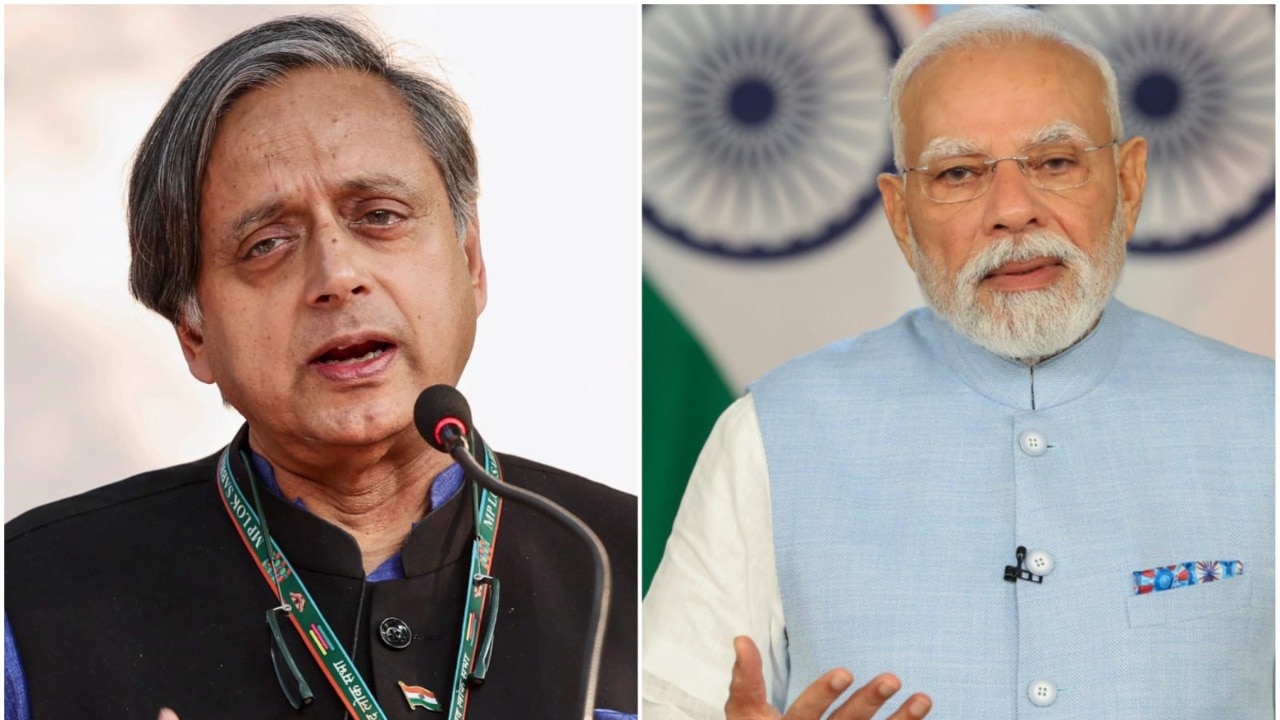
Significance of the G7 Context
The G7 Summit has been a major platform for international engagement, bringing together leaders from some of the world’s largest economies to discuss global challenges, economic cooperation, security concerns, and geopolitical developments.
India’s participation in recent G7 gatherings has reflected its increasing influence on the global stage. The country’s growing economic strength, strategic importance, and role in international forums have made its presence at such summits a subject of considerable attention.
It was in this broader diplomatic context that Tharoor’s remarks were made, contributing to the debate over how political leaders should assess foreign policy achievements regardless of domestic political rivalries.
Congress Seeks to Balance Internal Debate and Party Unity
While the discussion surrounding Tharoor’s comments continues, Jairam Ramesh’s response suggests that the Congress leadership is seeking to strike a balance between allowing individual expression and maintaining organizational unity.
The party has repeatedly emphasized its commitment to democratic debate and internal consultation. At the same time, it remains focused on presenting a united front on key political issues as it prepares for future electoral contests and parliamentary engagements.
As the political conversation unfolds, the episode highlights the challenges and opportunities that arise when senior leaders articulate views that generate attention both within and outside their parties. The debate also reflects the broader question of how opposition leaders navigate national achievements while sustaining political criticism of the government.
In the coming days, reactions from additional Congress leaders and political stakeholders are likely to keep the discussion alive, making it one of the notable developments in the evolving landscape of Indian politics.