
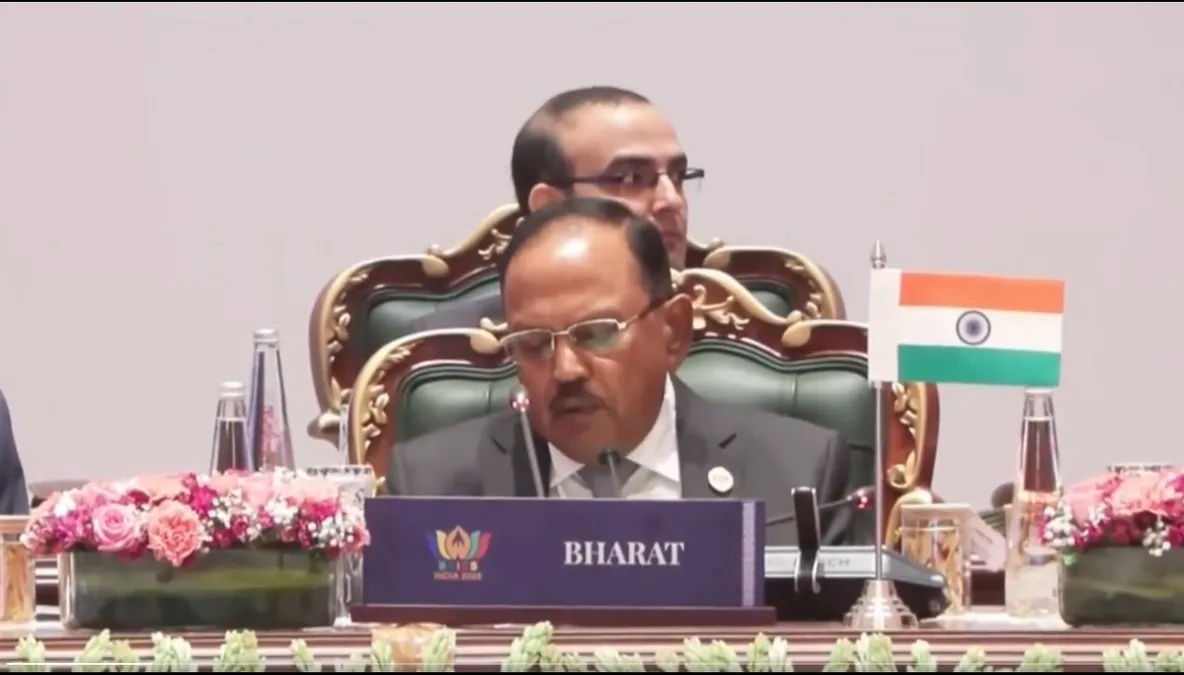
India’s National Security Adviser, Ajit Doval, welcomed the reopening of the strategically vital Strait of Hormuz during discussions at a high-level BRICS security conclave, describing the development as a positive step toward regional stability and uninterrupted global trade.
Addressing representatives from BRICS member nations, Doval underscored the importance of maintaining open and secure maritime routes, especially at a time when geopolitical tensions and regional conflicts have raised concerns about the safety of critical international shipping corridors. His remarks highlighted India’s longstanding position that freedom of navigation and secure sea lanes are essential for global economic growth and energy security.
Strategic Importance of the Strait of Hormuz
The Strait of Hormuz is one of the world’s most significant maritime chokepoints, connecting the Persian Gulf with international waters. A substantial portion of the world’s crude oil, liquefied natural gas, and other energy supplies passes through the narrow waterway each day. Any disruption in the region has the potential to trigger volatility in global energy markets, increase transportation costs, and impact economies worldwide.
Recent developments surrounding the strait had generated concerns among governments, shipping companies, and energy-importing nations. The reopening of the route has therefore been viewed as a critical move toward restoring confidence in global supply chains and reducing uncertainty in international markets.
Doval noted that uninterrupted maritime commerce is not only important for the economies directly linked to the region but also for countries across Asia, Europe, Africa, and the Americas that rely on stable energy supplies and efficient trade routes. 
Focus on Maritime Security
During the BRICS security discussions, Doval stressed the need for stronger international cooperation to ensure the safety of maritime infrastructure and shipping lanes. He emphasized that security challenges in key waterways require coordinated responses from nations committed to preserving peace, stability, and economic prosperity.
According to the Indian security adviser, maritime security has become increasingly important in a world where economic interdependence ties nations together more closely than ever before. Any threat to major shipping routes can have far-reaching consequences beyond the immediate region, affecting global trade flows, energy prices, and economic growth.
He also highlighted the importance of respecting international laws and norms governing navigation and maritime conduct, advocating collaborative approaches to addressing emerging security challenges.
BRICS Nations Discuss Global Security Challenges
The BRICS conclave brought together senior security officials from member countries to deliberate on a wide range of international issues, including regional conflicts, terrorism, cybersecurity threats, economic resilience, and maritime stability.
Participants discussed ways to strengthen cooperation among BRICS nations in addressing evolving security concerns while promoting peaceful dialogue and diplomatic solutions. The gathering reflected the growing role of BRICS as a platform for coordination among major emerging economies on strategic and geopolitical matters.
Doval reiterated India’s commitment to working with international partners to promote stability, safeguard trade routes, and support a rules-based global order. He emphasized that collective efforts are necessary to manage security risks that transcend national boundaries.
Economic Implications of Reopening the Waterway
The reopening of the Strait of Hormuz carries significant economic implications, particularly for countries heavily dependent on imported energy resources. India, one of the world’s largest energy consumers, closely monitors developments in the region due to its reliance on oil and gas imports.
Analysts believe that the restoration of normal maritime traffic through the strait could help ease concerns in global energy markets, support stable supply chains, and reduce the risk of disruptions that might lead to price spikes. The move is also expected to reassure shipping operators and international businesses engaged in trade across the region.
For emerging economies, stable energy supplies remain a critical factor in sustaining economic growth, industrial production, and consumer confidence. As a result, developments affecting major energy transit routes are watched closely by governments and financial markets alike. 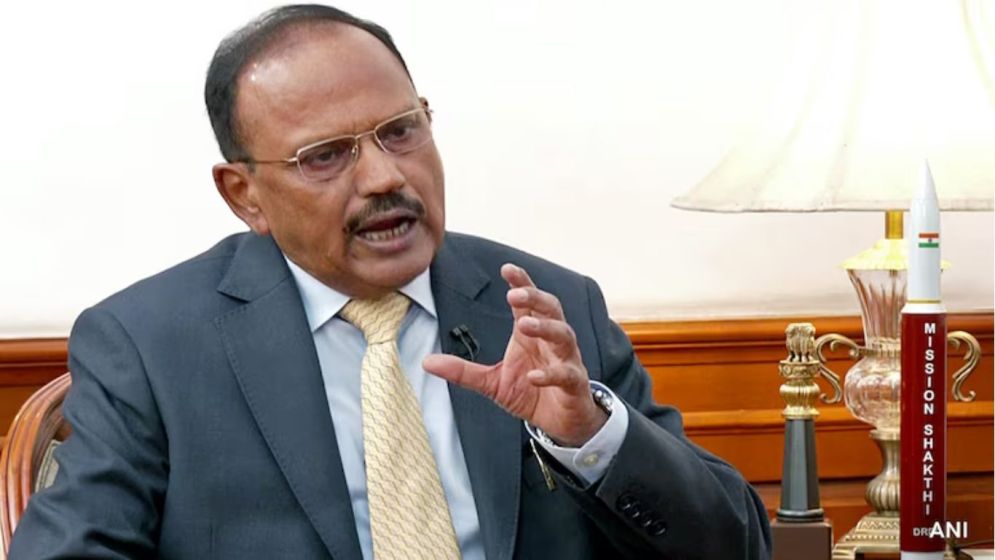
India’s Position on Regional Stability
India has consistently advocated peaceful resolution of disputes, dialogue among stakeholders, and adherence to international norms in addressing regional tensions. Doval’s remarks at the BRICS forum reflected this broader diplomatic approach, emphasizing the interconnected nature of security, economic development, and international cooperation.
By welcoming the reopening of the Strait of Hormuz, India signaled its support for measures that contribute to stability and predictability in one of the world’s most strategically important regions. The comments also underscored the country’s interest in ensuring secure energy supplies and maintaining resilient global trade networks.
Looking Ahead
As geopolitical uncertainties continue to influence international relations, the reopening of the Strait of Hormuz is being viewed as a constructive development with potential benefits for global commerce and energy security. Discussions at the BRICS conclave highlighted the importance of collaborative action in safeguarding critical infrastructure and preventing disruptions to international trade.
With maritime security becoming an increasingly important component of global stability, policymakers and security experts are expected to continue focusing on mechanisms that ensure the uninterrupted flow of commerce through key waterways. India’s call for cooperation, dialogue, and stability reflects a broader international effort to maintain peace and economic resilience in a rapidly changing geopolitical environment.