
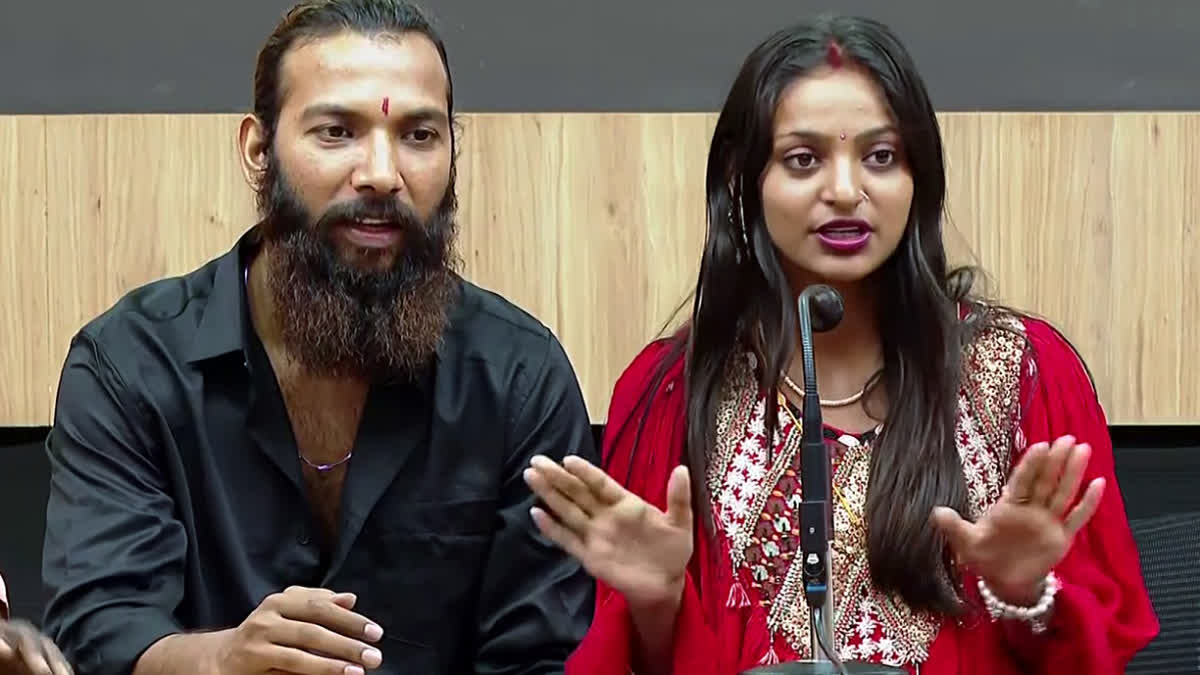
The Kerala High Court has directed authorities to provide police protection to the young woman who gained nationwide attention after videos and photographs of her from the Kumbh Mela went viral across social media platforms. The court’s intervention comes amid growing concerns regarding her personal safety, privacy, and well-being following her sudden rise to public prominence.
The case highlights the challenges faced by individuals who unexpectedly become internet sensations and are subsequently exposed to intense public scrutiny, unwanted attention, and potential security threats. Recognizing these concerns, the court stepped in to ensure that appropriate measures are taken to safeguard the woman from harassment and any risks arising from her viral fame.
Court Steps In to Ensure Safety
During proceedings, the High Court examined concerns related to the woman’s security and the circumstances that emerged after her widespread recognition online. The court observed that the rapid spread of images and videos on digital platforms can often lead to situations where individuals become vulnerable to unwanted public attention.
Considering the seriousness of the matter, the court directed the police authorities to extend necessary protection and ensure that no harm comes to the young woman. The order is intended to provide a secure environment and prevent any attempts at intimidation, harassment, or unlawful interference in her personal life.
Legal observers noted that the court’s decision reflects the judiciary’s increasing awareness of issues arising from the digital age, where viral content can dramatically alter the lives of ordinary individuals within a short period.
Rise to Internet Fame
The woman became widely known after her appearance at the Kumbh Mela attracted significant attention on social media. Images and video clips featuring her quickly circulated online, drawing millions of views and making her a recognizable public figure almost overnight.
What initially began as public fascination soon transformed into extensive media coverage and widespread online discussion. While the visibility brought popularity, it also exposed her to challenges often associated with sudden internet fame, including privacy concerns and constant public attention.
Experts have frequently warned that viral recognition can have unintended consequences, particularly for individuals who are not public figures and may not be prepared for the pressures that accompany widespread exposure. 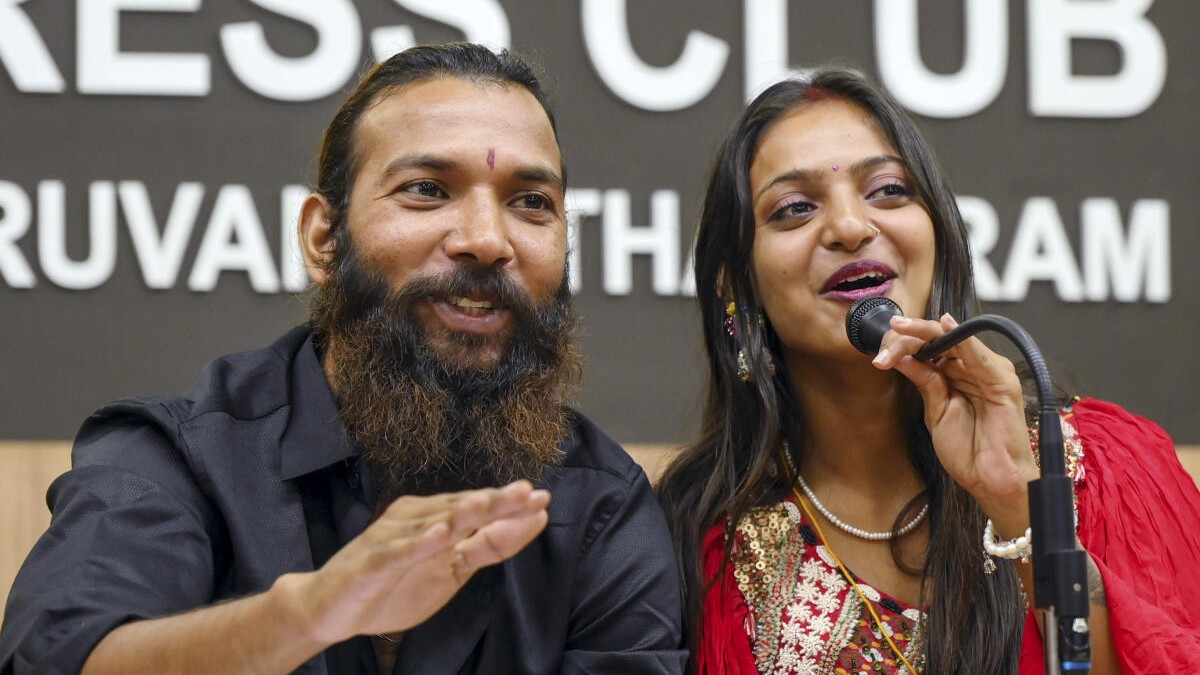
Concerns Over Privacy and Well-Being
The court’s intervention underscores broader concerns regarding privacy rights and personal security in an era dominated by social media. As online platforms amplify content at unprecedented speed, individuals can find themselves thrust into the spotlight without their consent or preparation.
In such situations, authorities and legal institutions are increasingly being called upon to balance freedom of expression with the need to protect individuals from harassment, stalking, exploitation, and other potential threats.
The High Court emphasized the importance of ensuring that the woman is able to live her life without fear or undue interference. By ordering police protection, the court sought to establish safeguards that would preserve her safety while allowing her to continue her daily activities without disruption.
Wider Implications of the Case
The case has sparked discussions about the responsibilities of social media users, content creators, and digital platforms when sharing content involving private individuals. Legal experts argue that viral fame should not come at the cost of personal security or fundamental rights.
The court’s decision may also serve as a reference point for future cases involving individuals who become unexpectedly famous through viral content and subsequently face security or privacy-related challenges.
As digital platforms continue to influence public discourse and shape modern celebrity culture, authorities are increasingly confronted with situations requiring legal protections for those caught in the spotlight.
Looking Ahead
With the High Court’s directive now in place, law enforcement agencies are expected to implement the necessary security arrangements and monitor the situation closely. The order reflects the judiciary’s commitment to protecting individual rights and ensuring that public attention does not translate into personal risk.
The development serves as a reminder that while social media can create opportunities for recognition and visibility, it can also bring unforeseen challenges that require institutional support and legal safeguards. The court’s intervention aims to ensure that the young woman remains protected as she navigates the consequences of her unexpected rise to fame.