
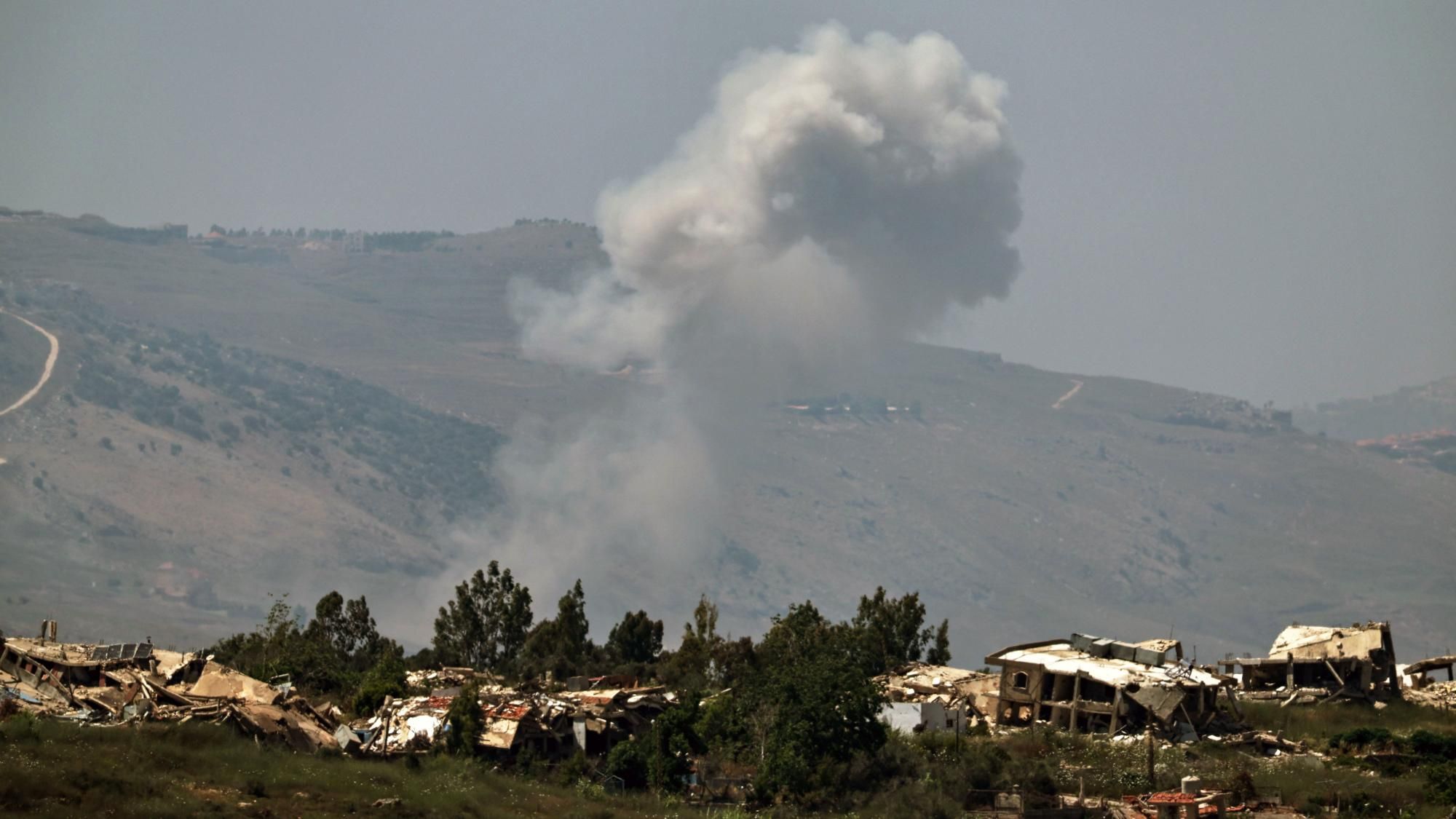
Tensions in the Middle East have intensified once again after former U.S. President Donald Trump asserted that Israel acts in accordance with his guidance regarding military operations in Lebanon. His remarks came amid renewed violence along the Israel-Lebanon border, where fresh airstrikes reportedly resulted in multiple fatalities, further raising concerns about the stability of an already fragile ceasefire arrangement.
The latest escalation has reignited international scrutiny over the ongoing confrontation between Israel and Hezbollah, the Iran-backed militant and political group based in Lebanon. While diplomatic efforts have sought to prevent a broader regional conflict, continued military exchanges have highlighted the challenges of maintaining peace in one of the world’s most volatile regions.
Trump’s Remarks Draw Attention
Speaking about the situation, Trump suggested that Israel responds to his recommendations when it comes to military decisions involving Lebanon. His comments quickly attracted global attention, particularly given the sensitive nature of ongoing efforts to reduce hostilities between Israel and Hezbollah.
The statement comes at a time when regional actors and international mediators have been attempting to preserve a ceasefire framework aimed at preventing further violence. Trump’s remarks have fueled debate over the extent of political influence external leaders can exert on military and security decisions in the region.
Although Israeli officials have not publicly commented on the specific claim, the statement has generated significant discussion among political observers and diplomatic analysts.
Deadly Strikes Raise Ceasefire Questions
The renewed focus on the conflict follows reports that Israeli military strikes in southern Lebanon killed at least five people. The attacks have intensified concerns that ceasefire understandings between the opposing sides may be deteriorating.
Israeli authorities have consistently maintained that military operations targeting Hezbollah positions are conducted in response to security threats and cross-border attacks. Hezbollah, meanwhile, has accused Israel of repeatedly violating ceasefire commitments and escalating tensions through continued military action.
The latest fatalities add to a growing toll from months of sporadic clashes that have displaced thousands of civilians on both sides of the border and disrupted daily life across affected communities. 
Fragile Peace Under Pressure
The ceasefire arrangement between Israel and Hezbollah has faced repeated challenges since hostilities intensified. Despite periodic reductions in violence, both sides have exchanged accusations of violations, making long-term stability difficult to achieve.
Military analysts note that even isolated incidents have the potential to trigger wider confrontations. The border region remains highly sensitive, with both Israeli forces and Hezbollah maintaining significant military capabilities.
International organizations and diplomatic partners have repeatedly called for restraint, warning that a major escalation could have serious humanitarian and geopolitical consequences across the broader Middle East.
Regional and Global Implications
The Israel-Hezbollah conflict is closely watched by governments around the world because of its potential to impact regional security, energy markets, and international diplomacy. Any breakdown in ceasefire efforts could increase instability not only in Lebanon and Israel but also across neighboring countries already dealing with political and security challenges.
Observers argue that maintaining open channels of communication remains essential to preventing misunderstandings and unintended escalation. Diplomatic initiatives led by international stakeholders continue to focus on reducing tensions and encouraging adherence to ceasefire commitments.
The situation is particularly significant given broader geopolitical dynamics involving Iran, regional alliances, and ongoing security concerns throughout the Middle East.
International Calls for Restraint
Global leaders and international organizations have renewed appeals for restraint following the latest violence. Humanitarian groups have also expressed concern over the impact of continued military operations on civilian populations living near conflict zones.
Calls for de-escalation emphasize the importance of protecting civilians, preserving diplomatic efforts, and preventing further loss of life. With tensions remaining high, many analysts believe that sustained diplomatic engagement will be critical in avoiding a larger regional confrontation.
Outlook
As military activity continues and political rhetoric intensifies, uncertainty remains over the future of the ceasefire between Israel and Hezbollah. Trump’s comments have added another dimension to an already complex geopolitical situation, while the latest strikes underscore the fragile nature of peace efforts in the region.
The coming weeks are likely to be crucial in determining whether diplomatic initiatives can stabilize the situation or whether renewed hostilities will further deepen the conflict. For now, the international community remains focused on preventing escalation and encouraging all parties to uphold commitments aimed at preserving regional security and stability.