
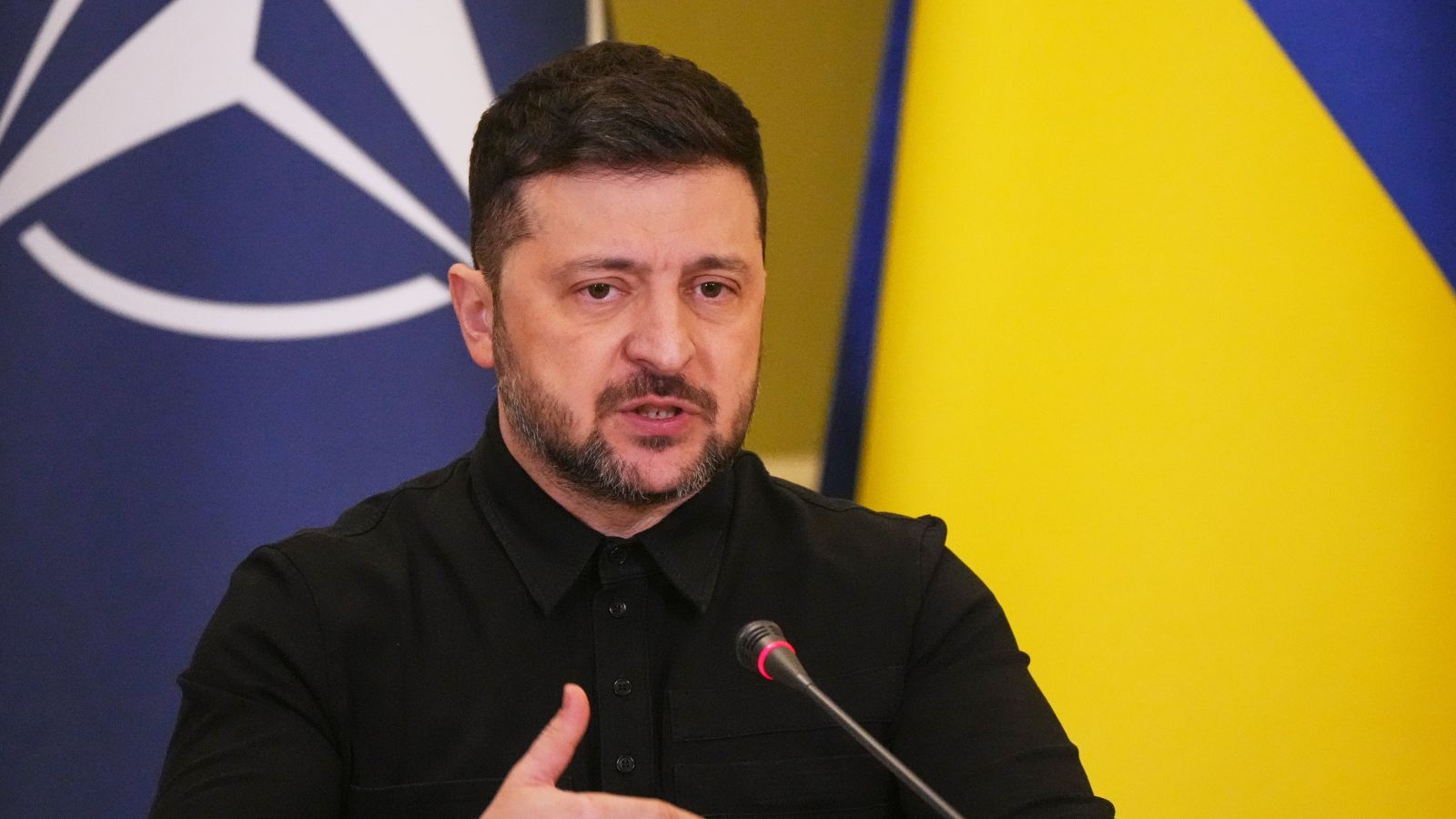
In a development that has drawn significant attention across Europe, Poland has decided to withdraw one of its highest state honours previously awarded to Ukrainian President Volodymyr Zelenskyy. The move reflects growing strains in relations between two neighboring countries that, despite maintaining close cooperation since the outbreak of the Russia-Ukraine war, continue to grapple with unresolved historical disputes and evolving political priorities.
The decision has reignited debate over the complex relationship between Poland and Ukraine, highlighting how historical memory can influence modern diplomacy even during periods of strategic partnership.
A Symbolic Shift in Poland-Ukraine Relations
The honour had originally been bestowed upon Zelenskyy as a symbol of solidarity between Poland and Ukraine. Warsaw emerged as one of Kyiv’s strongest supporters following Russia’s full-scale invasion, providing military assistance, humanitarian aid, and refuge to millions of Ukrainian citizens displaced by the conflict.
At the time, the recognition reflected Poland’s appreciation for Ukraine’s resistance and Zelenskyy’s leadership during one of the most challenging periods in the country’s modern history.
However, recent developments suggest that political goodwill alone has not been sufficient to overcome longstanding historical grievances that continue to shape public sentiment and political discourse in both nations.
Historical Disputes Resurface
At the heart of the controversy lies the painful legacy of wartime events that remain deeply sensitive in Poland. For decades, Polish officials, historians, and victims’ families have sought greater recognition of atrocities committed against ethnic Poles during the Second World War in territories that are now part of western Ukraine.
The issue remains one of the most emotionally charged subjects in bilateral relations. Many Polish political leaders argue that historical accountability and proper commemoration of victims are essential for genuine reconciliation.
While both governments have periodically attempted to address these concerns through dialogue and historical research initiatives, disagreements over interpretations of the past have repeatedly resurfaced, complicating efforts to build a lasting consensus. 
Domestic Political Pressures
The decision also comes amid changing political dynamics within Poland. Political leaders increasingly face pressure from domestic constituencies demanding a firmer stance on historical issues and national identity.
For many policymakers, demonstrating sensitivity toward historical grievances has become an important component of domestic political strategy. As public discussions around national memory intensify, actions that were once viewed primarily through the lens of geopolitical cooperation are increasingly being evaluated against historical considerations.
Analysts note that the revocation of the honour is not merely a diplomatic gesture but also reflects broader political calculations within Poland’s internal landscape.
Impact on Bilateral Cooperation
Despite the symbolic significance of the move, experts believe it is unlikely to result in a complete breakdown of cooperation between Warsaw and Kyiv.
Poland remains a crucial logistical and political partner for Ukraine, particularly as the war continues and Kyiv relies heavily on international support. Shared security concerns, regional stability, and defense cooperation continue to bind the two countries together.
Nevertheless, the decision may create additional diplomatic friction at a time when European unity remains a key strategic objective. Officials on both sides are expected to continue discussions aimed at preventing historical disagreements from undermining broader cooperation.
The Challenge of Balancing History and Geopolitics
The controversy underscores a recurring challenge in international relations: balancing contemporary strategic interests with unresolved historical issues.
While Poland and Ukraine share many common goals, including regional security and resistance to external threats, their relationship remains influenced by competing narratives about historical events. Managing these differences has become increasingly important as both countries seek to strengthen ties while addressing domestic expectations.
Observers argue that meaningful progress will require sustained dialogue, historical transparency, and mutual recognition of the sensitivities that continue to shape public opinion in both nations.
Wider European Implications
The development has attracted attention beyond Poland and Ukraine, as European governments closely monitor the relationship between two key countries on NATO’s eastern flank.
The situation highlights how historical memory remains a powerful force in European politics, capable of affecting diplomatic relationships even during periods of close strategic cooperation. It also serves as a reminder that alliances forged in response to contemporary crises can still be tested by unresolved issues from the past.
As both governments navigate the latest dispute, the future of Poland-Ukraine relations is likely to depend on their ability to balance historical reconciliation with the practical demands of regional security and international cooperation.
Conclusion
Poland’s decision to revoke its highest state honour awarded to President Volodymyr Zelenskyy marks a significant symbolic moment in the evolving relationship between Warsaw and Kyiv. While strategic cooperation between the two nations remains strong, the episode illustrates how historical grievances continue to influence modern diplomacy. The coming months will reveal whether both sides can prevent these tensions from overshadowing their broader partnership and shared geopolitical interests.