
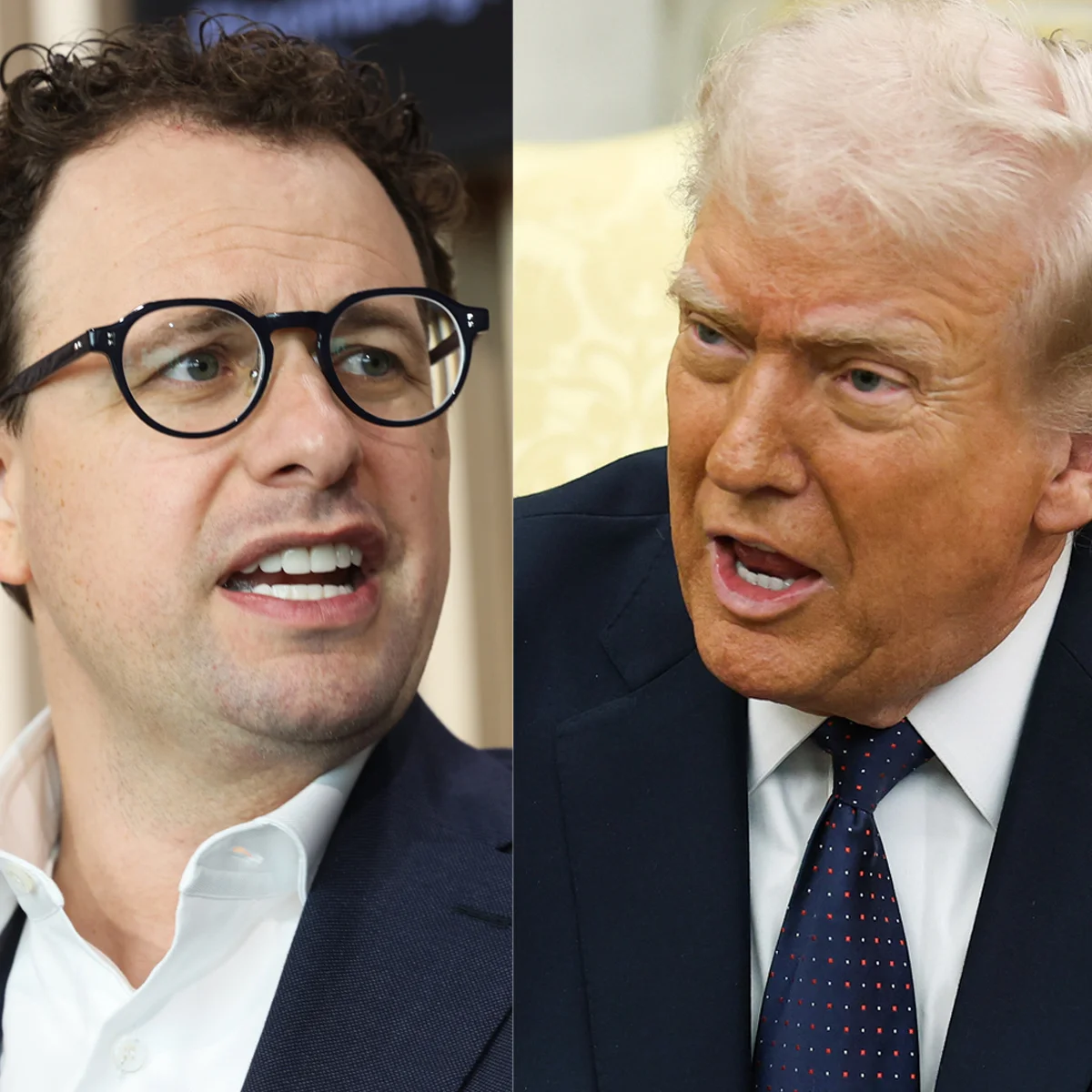
The debate surrounding artificial intelligence and its growing influence on global security has taken a new turn after former U.S. President Donald Trump reportedly expressed concerns about AI company Anthropic, describing it as a potential national security issue. The remarks have intensified discussions about the relationship between advanced technology firms, government oversight, and the strategic implications of artificial intelligence development.
Trump’s comments come at a time when artificial intelligence has become one of the most closely watched sectors in the world. Governments, industry leaders, and security experts are increasingly focused on how powerful AI systems could affect economic competitiveness, military preparedness, cybersecurity, and geopolitical influence.
Growing Scrutiny of Artificial Intelligence Companies
Artificial intelligence companies have experienced rapid growth over the past several years, attracting billions of dollars in investments and becoming central players in technological innovation. Firms developing advanced AI models are now viewed as strategic assets capable of shaping the future of global competition.
Against this backdrop, concerns about ownership structures, foreign investments, access to sensitive technologies, and the broader implications of AI development have become significant policy issues. Lawmakers and regulators have increasingly examined whether advanced AI companies should be subject to stricter oversight due to their potential impact on national interests.
Trump’s remarks regarding Anthropic reflect a broader conversation taking place in Washington and other global capitals about who controls advanced AI technologies and how these systems should be governed.
Why Anthropic Has Drawn Attention
Anthropic is widely recognized as one of the leading companies developing advanced artificial intelligence systems. The firm has emerged as a major competitor within the rapidly expanding AI industry, focusing on creating AI models designed to be reliable, safe, and aligned with human values.
The company has secured substantial financial backing from major technology investors and strategic partners, enabling it to compete with some of the largest names in the AI sector. Its growing influence has positioned it at the center of discussions about the future direction of artificial intelligence development.
As AI capabilities continue to advance, questions regarding the concentration of technological power among a small number of companies have become increasingly prominent. Policymakers are evaluating whether current regulatory frameworks are sufficient to address the risks associated with highly sophisticated AI systems. 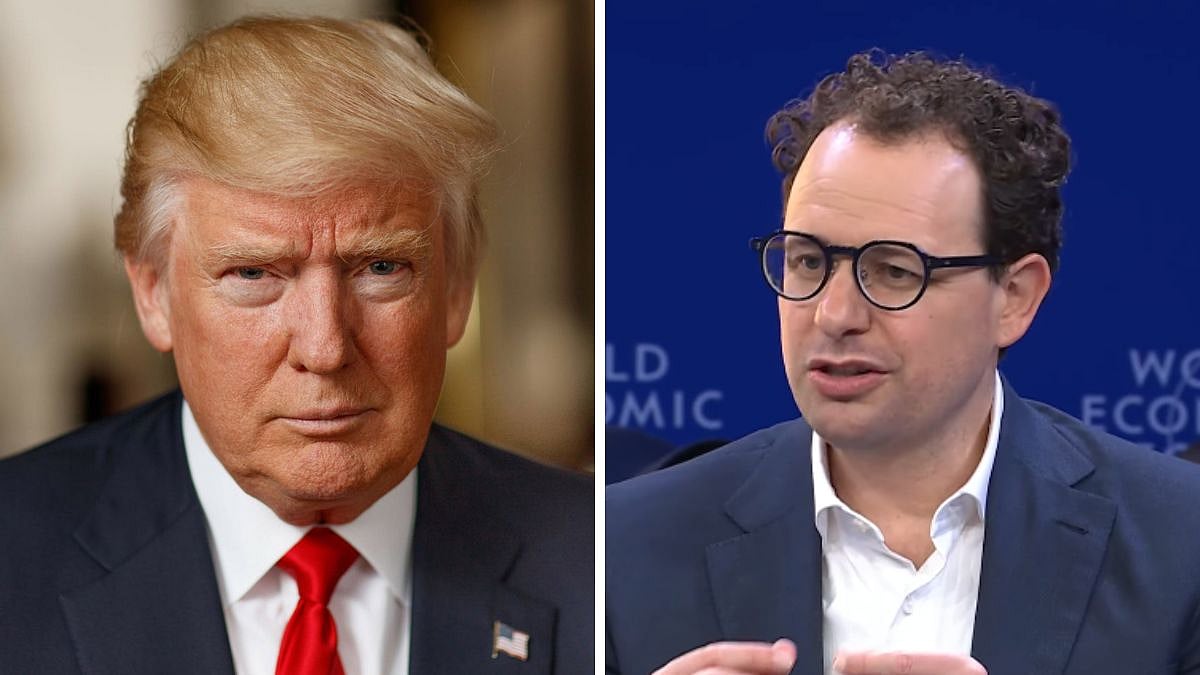
National Security and Technology Competition
National security concerns surrounding artificial intelligence are not limited to any single company. Governments worldwide are increasingly treating AI as a strategic technology with implications that extend far beyond commercial applications.
Advanced AI systems can potentially influence critical sectors such as defense, intelligence analysis, infrastructure management, cybersecurity, and communications. As a result, policymakers have become more focused on ensuring that AI development aligns with national interests and security objectives.
Trump’s characterization of Anthropic as a national security concern reflects growing anxiety among some political figures regarding the rapid pace of AI advancement and the potential vulnerabilities that could emerge if strategic technologies are not adequately monitored.
Experts note that debates over AI governance often involve complex questions about innovation, economic growth, competition, and security. Striking the right balance between encouraging technological progress and protecting national interests remains one of the central challenges facing governments around the world.
Political Implications of the AI Debate
Artificial intelligence has increasingly become a political issue as policymakers seek to define the rules governing the technology. Discussions now extend beyond technical matters and include broader concerns about transparency, accountability, workforce impacts, data protection, and international competition.
Political leaders from across the spectrum have called for varying levels of regulation, reflecting differing views on how governments should approach emerging technologies. Some advocate stronger oversight to address security and ethical concerns, while others emphasize the importance of preserving innovation and maintaining global competitiveness.
Trump’s remarks are likely to add momentum to ongoing debates about how AI companies should be regulated and what role governments should play in overseeing the industry.
Industry Response and Future Outlook
The AI industry continues to evolve rapidly, with companies racing to develop increasingly advanced models capable of performing complex tasks. As investment in artificial intelligence grows, so too does public and governmental scrutiny.
Industry leaders have frequently emphasized the importance of responsible AI development, highlighting efforts to improve safety measures, transparency, and accountability. At the same time, regulators are exploring frameworks that could address potential risks without hindering technological progress.
The discussion surrounding Anthropic illustrates the broader tensions shaping the future of artificial intelligence. As governments, businesses, and researchers navigate the opportunities and challenges presented by AI, debates over national security, regulation, and technological leadership are expected to remain central issues in the years ahead.
Conclusion
Donald Trump’s comments regarding Anthropic have reignited discussions about the intersection of artificial intelligence, national security, and government oversight. As AI becomes increasingly influential across economic, political, and strategic domains, questions about regulation and control are likely to remain at the forefront of policy debates. The controversy underscores the growing recognition that artificial intelligence is no longer simply a technological issue—it is a matter of national and global significance.