
Efforts by the United States to restart diplomatic engagement with Iran have encountered an early obstacle after planned weekend negotiations were unexpectedly placed on hold. The development comes at a sensitive moment when tensions across the Middle East remain elevated and policymakers on both sides face growing pressure to find a path toward dialogue.
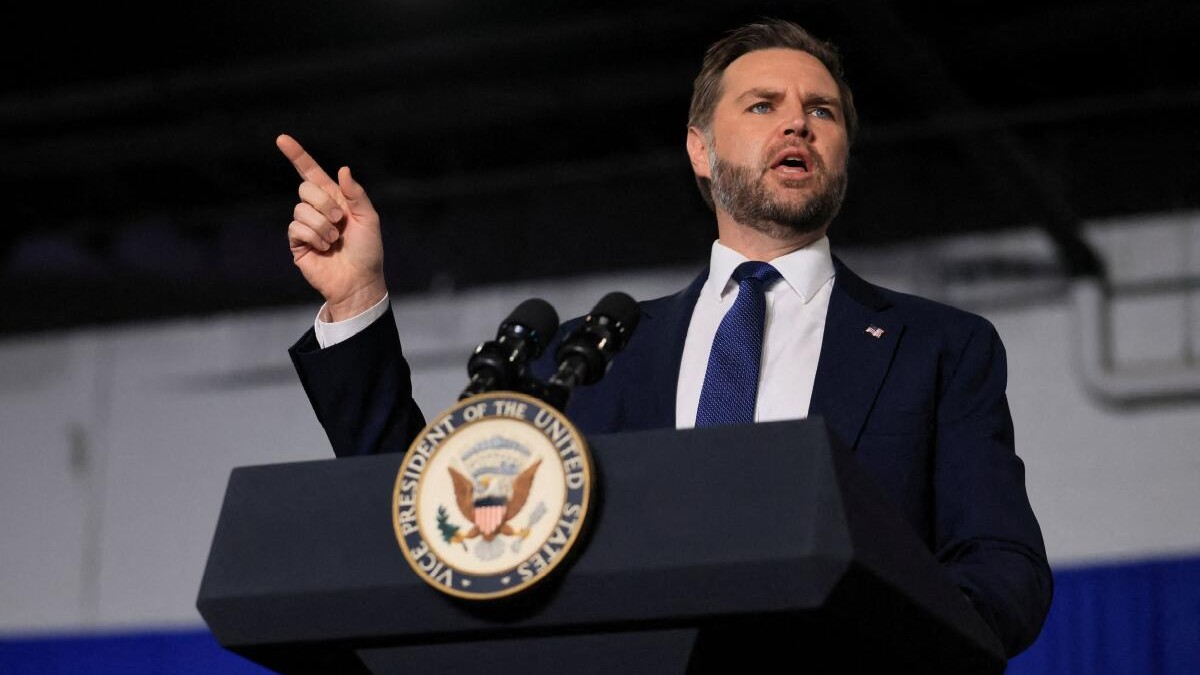
The postponement represents a setback for those within the US administration who have been advocating renewed diplomatic channels as a means of addressing longstanding disputes surrounding Iran’s nuclear program, regional security concerns, and broader geopolitical tensions. Among those supporting diplomatic outreach has been US Vice President JD Vance, who has publicly emphasized the importance of negotiations as a tool to prevent further escalation in an already volatile region.
Diplomatic Momentum Slows
The delay has raised questions about the immediate future of discussions that many observers viewed as a potential opening for renewed engagement between Washington and Tehran. Although diplomatic contacts have continued behind the scenes, the suspension of scheduled talks highlights the challenges involved in bringing the two sides together after years of strained relations.
Officials familiar with the situation have indicated that logistical, political, and security-related considerations contributed to the decision to postpone the meetings. While neither side has formally abandoned the prospect of negotiations, the absence of a clear timetable for rescheduling has fueled uncertainty about when substantive discussions may resume.
The development underscores the fragile nature of diplomatic efforts involving Iran, where negotiations are often influenced by regional conflicts, domestic political considerations, and international pressure from allies and adversaries alike.
Vance Advocates Diplomatic Engagement
Vice President JD Vance has emerged as a prominent supporter of pursuing dialogue with Iran despite significant political opposition from some quarters. Advocates of diplomacy argue that sustained engagement remains the most effective avenue for reducing tensions, preventing military confrontation, and addressing concerns over Iran’s nuclear activities.
Vance and other administration officials have reportedly sought to create conditions that would allow meaningful negotiations to proceed. Their approach reflects a belief that diplomatic solutions can offer greater long-term stability than escalating confrontation.
However, critics remain skeptical about the prospects for success, citing previous rounds of negotiations that failed to produce lasting agreements. Some policymakers argue that Iran’s actions in recent years have undermined trust and complicated efforts to secure comprehensive diplomatic arrangements. 
Nuclear Concerns Remain Central
At the heart of the diplomatic push lies the issue of Iran’s nuclear program, which has remained a source of international concern for more than two decades. Western governments have repeatedly sought assurances that Iran’s nuclear activities remain exclusively peaceful, while Iranian officials have consistently maintained that their program is intended for civilian purposes.
Any future negotiations are expected to focus heavily on nuclear monitoring, transparency measures, sanctions relief, and mechanisms designed to prevent further escalation. Experts note that reaching consensus on these issues remains extremely challenging due to deep-rooted mistrust between the parties.
The postponement of talks therefore risks delaying progress on some of the most pressing security questions facing the international community.
Regional Tensions Complicate Negotiations
The broader geopolitical environment has also complicated diplomatic efforts. Ongoing instability across the Middle East has heightened concerns about potential escalation involving regional actors. Military confrontations, proxy conflicts, and security incidents have created an atmosphere in which diplomatic initiatives face significant obstacles.
Analysts suggest that developments on the ground often influence the willingness of governments to engage in negotiations. Any deterioration in regional security conditions could further reduce the likelihood of rapid progress toward renewed talks.
At the same time, many international observers continue to view diplomacy as essential to preventing wider conflict. The postponement of the planned meetings has therefore generated concern among diplomats and security experts who believe dialogue remains necessary despite the challenges.
Uncertain Path Forward
Despite the setback, officials on both sides have signaled that diplomatic channels remain open. The delay does not necessarily indicate a complete breakdown in communication, but it does highlight the complexities involved in organizing and sustaining high-level negotiations.
The coming weeks may prove critical in determining whether the postponed discussions can be revived and whether momentum for diplomacy can be restored. Much will depend on political developments, regional security dynamics, and the willingness of all parties to remain engaged in the negotiation process.
For now, hopes for an immediate breakthrough have been tempered by the postponement, leaving the future of US-Iran diplomacy uncertain. Nevertheless, policymakers continue to emphasize that dialogue remains one of the few viable avenues for reducing tensions and pursuing a more stable regional environment.
As international attention remains focused on developments in the Middle East, the delayed negotiations serve as a reminder of both the importance of diplomacy and the significant challenges that continue to stand in its way.