
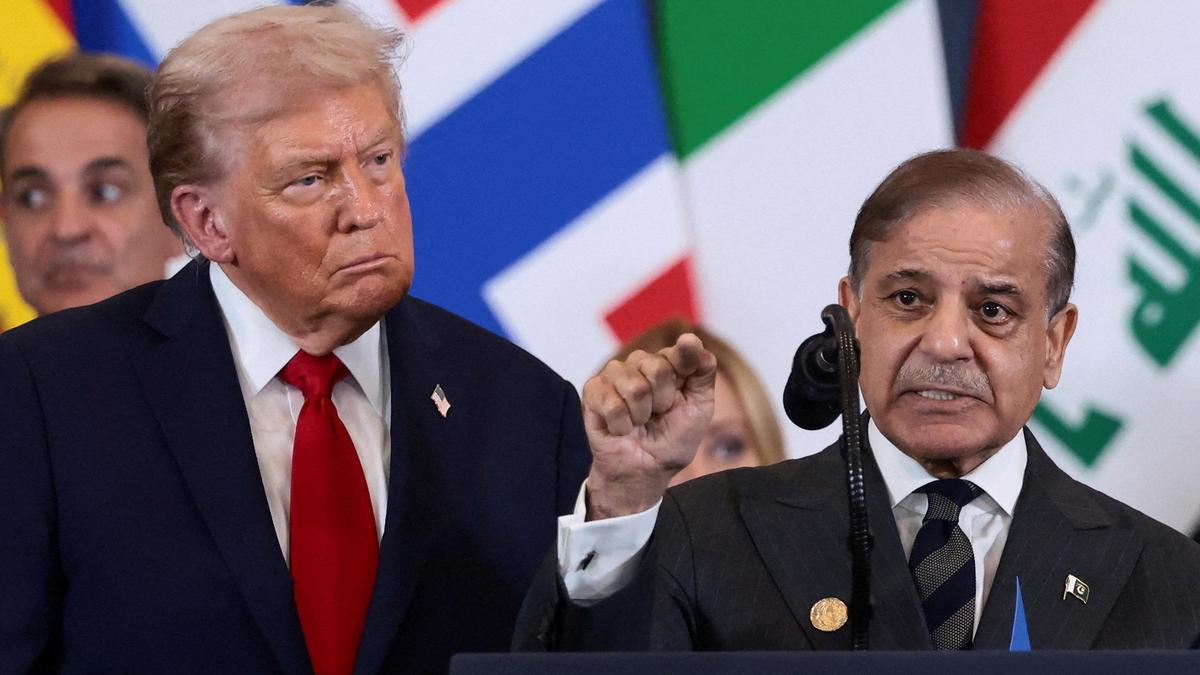
Pakistan is increasingly grappling with the complexities of dealing with an American administration led by President Donald Trump, whose unconventional and often unpredictable approach to international relations continues to influence geopolitical calculations across South Asia. Recent developments have highlighted how Islamabad’s expectations from Washington may not always align with the strategic priorities emerging from the White House, creating fresh diplomatic challenges for the country.
Political analysts and foreign policy observers suggest that Pakistan’s leadership is gradually recognizing the risks associated with relying on assumptions about American support, particularly when dealing with a president known for abrupt policy shifts, transactional diplomacy, and decisions that frequently depart from traditional diplomatic norms.
A Relationship Defined by Strategic Interests
The relationship between Pakistan and the United States has historically been characterized by periods of cooperation and tension. Over the decades, the two countries have partnered on security issues, counterterrorism efforts, and regional stability initiatives. However, the foundation of the relationship has often been driven by evolving strategic interests rather than long-term alignment.
Under Trump’s leadership, this reality has become increasingly apparent. His administration has consistently emphasized national interests, economic considerations, and immediate strategic outcomes over conventional diplomatic expectations. This approach has created uncertainty for allies and partners worldwide, including Pakistan.
Observers note that Islamabad has occasionally attempted to position itself as a key regional stakeholder capable of influencing developments in South Asia and the broader region. Yet the changing priorities of the United States have demonstrated that Washington’s decisions are ultimately guided by its own calculations, regardless of expectations from regional actors.
Trump’s Unpredictable Diplomatic Style
One of the defining characteristics of Trump’s presidency has been his willingness to challenge established diplomatic practices. His statements, policy announcements, and negotiations have frequently surprised allies, rivals, and international observers alike.
This unpredictability has complicated foreign policy planning for many countries. Governments that seek stable and predictable engagement with Washington often find themselves adjusting rapidly to new developments, changing rhetoric, or unexpected diplomatic initiatives.
For Pakistan, this environment has underscored the difficulty of building policy strategies around assumptions regarding American intentions. Analysts argue that recent events serve as a reminder that Trump’s decision-making process can be influenced by a wide range of factors, including domestic political considerations, personal diplomacy, and evolving strategic objectives. 
Implications for South Asian Geopolitics
The evolving relationship between the United States and Pakistan carries significant implications for South Asia. Regional security concerns, economic partnerships, and diplomatic engagements are all affected by shifts in Washington’s foreign policy priorities.
India’s growing strategic importance to the United States has become a major factor in regional calculations. Over the past several years, Washington and New Delhi have expanded cooperation in areas including defense, technology, trade, and regional security. This strengthening partnership has altered the geopolitical landscape and influenced how the United States approaches issues involving Pakistan.
Experts believe that Pakistan faces the challenge of balancing its regional interests while adapting to changing international realities. The country must navigate relationships with multiple global powers, including the United States, China, and regional neighbors, while maintaining its own strategic objectives.
Strategic Reassessment in Islamabad
Recent developments have prompted discussions within policy circles about the need for a broader reassessment of Pakistan’s diplomatic strategy. Rather than relying heavily on expectations of support from any single international partner, experts suggest that diversified diplomatic engagement may become increasingly important.
A more balanced foreign policy approach could help Pakistan manage uncertainty and strengthen its position in a rapidly evolving global environment. This includes expanding economic partnerships, deepening regional cooperation, and enhancing diplomatic outreach across multiple international forums.
Such a strategy would allow Islamabad to better withstand fluctuations in global politics and reduce vulnerabilities arising from sudden policy changes by major powers.
Lessons for Regional Diplomacy
The situation also offers broader lessons for countries seeking to engage with powerful global actors. Modern international relations are increasingly shaped by leadership styles, domestic political pressures, and shifting strategic priorities.
For nations that depend heavily on external partnerships, adaptability has become a critical component of effective diplomacy. Policymakers must remain prepared for unexpected developments and ensure that national interests are protected regardless of changing political circumstances abroad.
In this context, Pakistan’s experience highlights the challenges of navigating relations with an administration that often prioritizes flexibility and strategic advantage over traditional diplomatic consistency.
Looking Ahead
As global geopolitical dynamics continue to evolve, Pakistan is likely to face important decisions regarding its future diplomatic and strategic direction. The country’s leaders will need to carefully assess changing international alignments and develop policies capable of responding to an increasingly unpredictable global environment.
The broader lesson emerging from recent developments is that international partnerships, particularly with major powers, can never be taken for granted. Strategic flexibility, diversified engagement, and realistic expectations remain essential tools for navigating the complex world of contemporary diplomacy.
With the United States continuing to play a central role in global affairs and Trump’s distinctive leadership style shaping American foreign policy, Pakistan’s diplomatic establishment appears to be confronting a new reality—one where adaptability and careful strategic planning are more important than ever.