
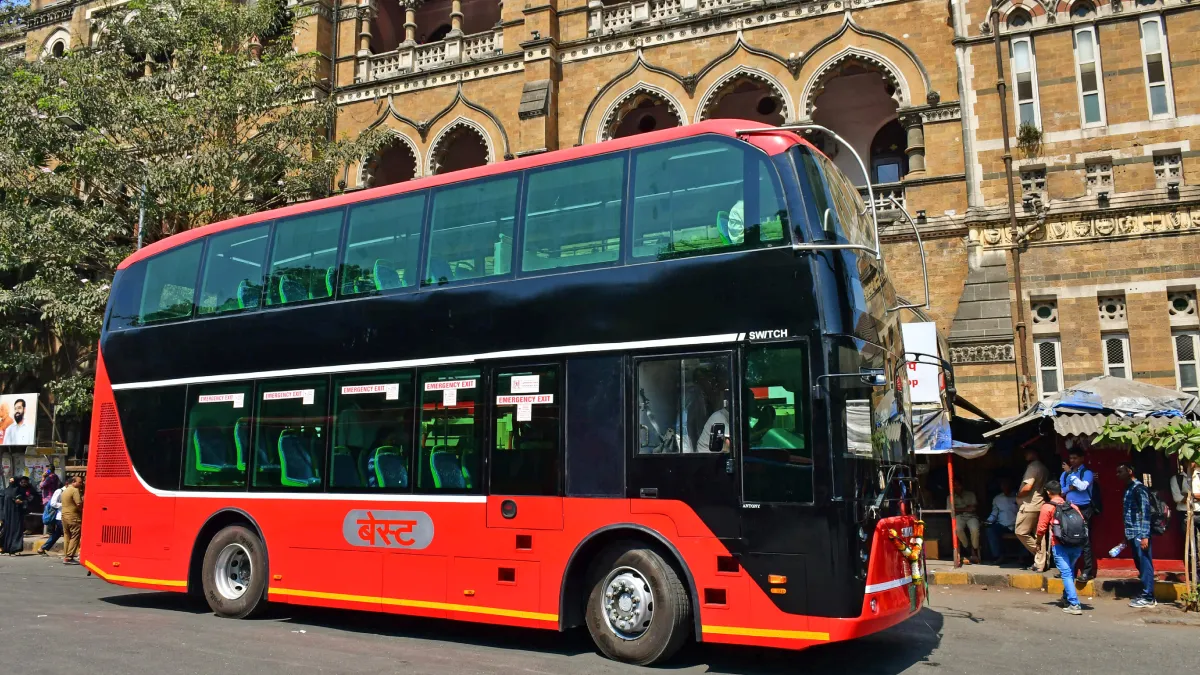
Mumbai’s public transportation network faced significant disruption on Friday after employees of the Brihanmumbai Electric Supply and Transport (BEST) undertaking commenced an indefinite industrial action, impacting bus operations across the city and creating difficulties for millions of daily commuters.
The industrial action was initiated by a coalition of employee unions after prolonged negotiations with authorities failed to produce a resolution to several long-pending demands. The situation has affected both transport and utility services, placing additional pressure on the city’s already busy transportation infrastructure.
Why Employees Began the Industrial Action
Union representatives stated that the protest stems from unresolved issues concerning employee welfare, salary settlements, pension benefits, recruitment policies, and the future operational structure of the undertaking. Workers argue that repeated discussions with government authorities, civic bodies, and BEST management have not resulted in meaningful progress.
Among the key demands raised by employee groups are:
- Implementation of pending wage agreements and payment of salary arrears.
- Settlement of retirement dues and pension-related benefits.
- Recruitment of additional permanent staff.
- Expansion of the BEST-owned bus fleet.
- Reduction in dependence on contractual and outsourced operations.
- Greater financial support and long-term planning for the undertaking.
Employee representatives maintain that these concerns have remained unresolved for years, affecting both serving and retired staff members. According to union leaders, the industrial action became necessary after multiple rounds of discussions failed to deliver concrete outcomes.
Millions of Commuters Affected Across Mumbai
BEST buses form a critical component of Mumbai’s public transport system, carrying millions of passengers every day. The disruption has therefore had an immediate impact on daily life across the city.
Many commuters were forced to seek alternative transportation options, including suburban railway services, auto-rickshaws, taxis, and app-based mobility services. Reports from various parts of Mumbai indicated overcrowding at transport hubs, longer waiting times, and increased travel expenses for passengers who rely on buses for their daily commute.
Office workers, students, senior citizens, and low-income commuters have been among the worst affected by the reduction in services. 
Concerns Extend Beyond Bus Operations
The situation has attracted additional attention because BEST is responsible not only for public transport but also for electricity distribution in parts of Mumbai. Participation from employees associated with utility services has raised concerns regarding the continuity of essential operations.
Authorities have stated that contingency plans are in place to ensure that critical services continue functioning with minimal disruption. Emergency measures have reportedly been activated to maintain transport and electricity-related operations wherever possible.
Debate Over the Future of BEST
The ongoing industrial action has reignited broader discussions about the future of Mumbai’s historic public transport undertaking. Employee organizations have expressed concerns over the increasing use of leased buses and contractual workforce arrangements, arguing that such policies weaken the institution and impact service quality.
Union representatives have called for a substantial increase in the number of BEST-owned buses, contending that the city requires a larger fleet to adequately serve its growing population. They have also sought long-term policy commitments aimed at strengthening the undertaking’s financial stability and operational independence.
Authorities Seek Resolution
As disruptions continue, civic authorities and BEST management are expected to hold further discussions with employee representatives in an effort to resolve the dispute. Officials have urged workers to return to duty while negotiations continue, citing the essential nature of transport and utility services in Mumbai.
Meanwhile, commuters have been advised to plan their journeys in advance and make use of alternative transportation arrangements until normal operations are restored.
Conclusion
The indefinite industrial action by BEST employees has once again highlighted the challenges facing one of Mumbai’s most important public service institutions. While workers continue to press for improvements in wages, pensions, recruitment, and operational policies, millions of residents are dealing with the immediate consequences of disrupted transport services.
The outcome of ongoing negotiations will be closely watched, as it will determine not only when regular services resume but also whether long-standing concerns regarding the future of BEST can finally be addressed.