
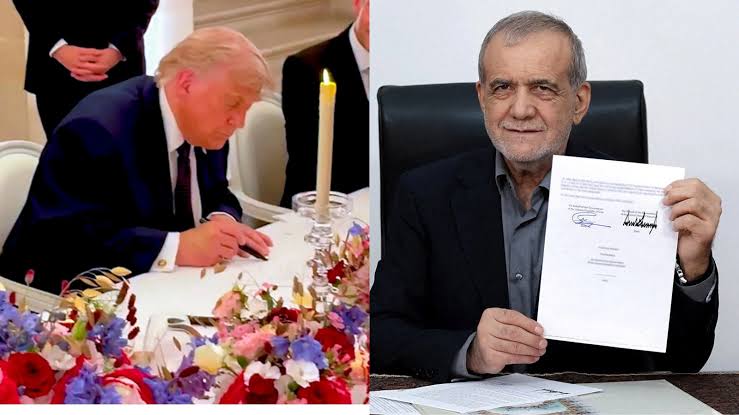
In a major diplomatic breakthrough with far-reaching implications for the Middle East and global geopolitics, United States President Donald Trump and Iranian President Masoud Pezeshkian have signed a comprehensive peace agreement aimed at easing decades of tensions between the two nations. The accord represents one of the most significant diplomatic developments in recent years and seeks to establish a framework for peaceful coexistence, nuclear transparency, economic engagement, and regional security cooperation.
The agreement comes after an extended period of negotiations involving senior diplomatic officials, security experts, and international observers. Both governments have described the deal as a crucial step toward reducing the risk of military confrontation while creating new opportunities for dialogue and cooperation.
A Landmark Diplomatic Moment
The signing of the agreement marks a rare moment of direct engagement between Washington and Tehran, whose relationship has been characterized by hostility, sanctions, proxy conflicts, and diplomatic standoffs for decades.
Officials from both countries emphasized that the agreement is designed to replace confrontation with structured diplomacy. The document outlines commitments intended to lower tensions across the Middle East while establishing mechanisms for dispute resolution and ongoing communication.
According to the text of the agreement, both sides acknowledge the importance of respecting sovereignty, avoiding actions that could escalate regional conflicts, and pursuing peaceful solutions to international disputes.
Key Provisions of the Agreement
The peace accord includes several major components intended to build trust and encourage long-term stability.
Nuclear Transparency and Oversight
One of the central elements of the agreement focuses on Iran’s nuclear activities. The framework establishes commitments related to transparency, monitoring, and verification measures intended to reassure the international community regarding the peaceful nature of Iran’s nuclear program.
The agreement outlines procedures for inspections, information sharing, and cooperation with international monitoring bodies. Both sides describe these measures as essential for reducing mistrust and preventing future crises related to nuclear development. 
Gradual Sanctions Relief
The document also addresses economic issues, including a roadmap for the phased easing of sanctions. Under the agreement, specific restrictions could be lifted in stages, contingent upon compliance with the obligations outlined in the accord.
The sanctions relief framework is intended to support economic recovery, encourage foreign investment, and improve trade opportunities while maintaining oversight mechanisms to ensure adherence to agreed commitments.
Regional Security Commitments
Another major section of the agreement focuses on security concerns throughout the Middle East. Both nations commit to reducing actions that could destabilize the region and pledge to support diplomatic initiatives aimed at conflict prevention.
The accord encourages cooperation in addressing regional crises through dialogue rather than military escalation. It also establishes channels for communication to manage emerging security challenges and reduce the possibility of misunderstandings that could lead to conflict.
Conflict Resolution Mechanisms
Recognizing the complexity of US-Iran relations, the agreement creates formal structures for addressing disagreements. These mechanisms include diplomatic consultations, review committees, and procedures designed to resolve disputes before they escalate into broader confrontations.
Officials involved in the negotiations argue that these mechanisms will help sustain dialogue even during periods of disagreement, reducing the likelihood of sudden breakdowns in relations. 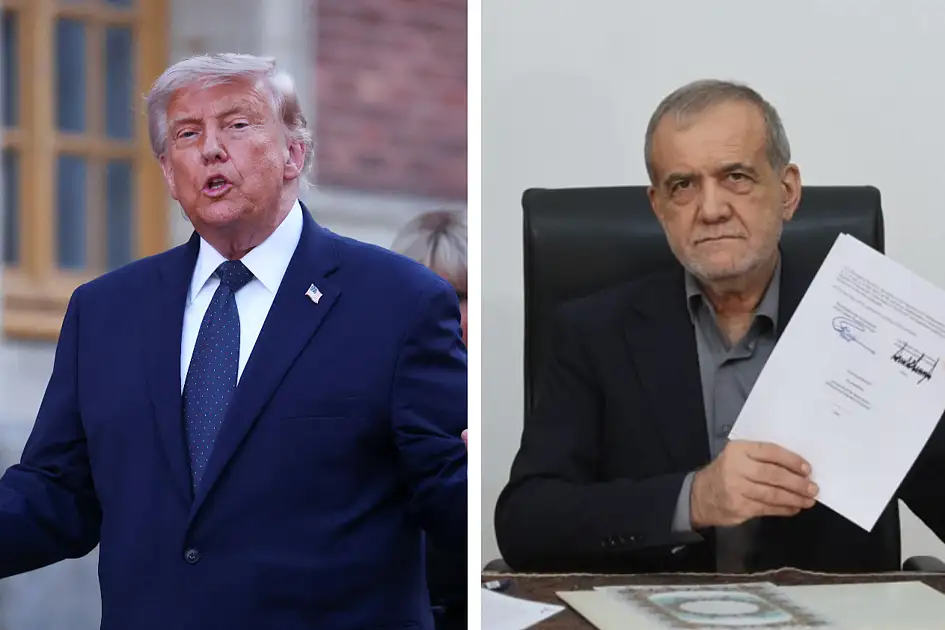
Economic and Humanitarian Dimensions
Beyond security and diplomacy, the agreement includes provisions aimed at fostering economic cooperation and humanitarian engagement. The framework supports initiatives that could facilitate trade, promote educational exchanges, and encourage people-to-people interaction between the two countries.
Humanitarian measures are also highlighted, including commitments to facilitate access to essential goods and support efforts that benefit civilian populations.
Observers note that these provisions could play an important role in building trust and creating incentives for continued cooperation.
International Reactions
The signing of the agreement has attracted significant international attention. Governments across Europe, Asia, and the Middle East are closely monitoring developments, given the potential impact on energy markets, regional security dynamics, and global diplomatic relations.
Supporters of the deal argue that reducing tensions between the United States and Iran could contribute to greater stability throughout the region and decrease the risk of military conflict. They also view the agreement as a demonstration that sustained diplomacy can produce meaningful results even between long-standing adversaries.
However, some analysts remain cautious, emphasizing that implementation will be critical to the agreement’s long-term success. They note that previous diplomatic efforts have encountered challenges due to political changes, disagreements over compliance, and evolving regional circumstances.
Challenges Ahead
While the agreement has been hailed as a diplomatic milestone, experts caution that significant obstacles remain. Successful implementation will require consistent cooperation, verification of commitments, and continued political support within both countries.
The effectiveness of the accord will likely depend on the ability of both governments to maintain dialogue, address disputes constructively, and fulfill their respective obligations under the framework.
Questions also remain regarding the pace of sanctions relief, the scope of nuclear monitoring measures, and the broader impact of the agreement on regional alliances and security arrangements.
A Potential Turning Point
The US-Iran peace agreement signed by President Donald Trump and President Masoud Pezeshkian represents a potentially transformative moment in international diplomacy. By addressing key issues such as nuclear transparency, economic engagement, sanctions relief, and regional security, the accord seeks to establish a foundation for a more stable and cooperative relationship between two nations whose interactions have long shaped the geopolitical landscape of the Middle East.
Whether the agreement ultimately succeeds will depend on its implementation and the willingness of both sides to sustain diplomatic engagement. Nevertheless, the signing of the accord marks a significant step toward reducing tensions and exploring a new chapter in US-Iran relations.