
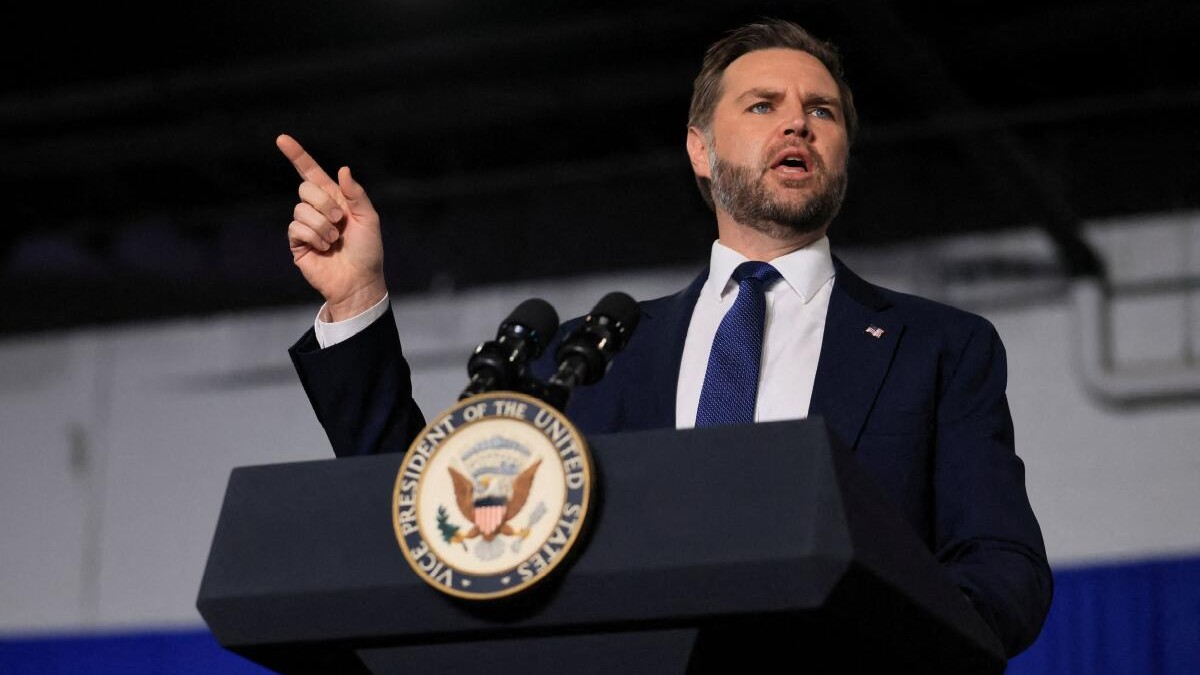
In a move highlighting the growing urgency of diplomatic engagement surrounding Iran, US Vice President JD Vance reportedly delayed a planned visit to Switzerland in order to participate in critical discussions focused on the escalating situation in the Middle East.
The decision underscores the importance the United States administration is placing on ongoing efforts to address regional instability, manage tensions involving Iran, and coordinate policy responses with key international partners. The postponement of the Switzerland trip reflects how rapidly evolving geopolitical developments can alter the schedules of senior government officials when national security and foreign policy priorities take center stage.
Rising Concerns Over Iran
The Vice President’s change of plans comes at a time when Iran remains at the center of international attention. Concerns over Tehran’s regional activities, its nuclear ambitions, and the broader security landscape in the Middle East have prompted intensified diplomatic engagement among Western governments and allied nations.
Officials involved in the discussions have been working to evaluate possible diplomatic pathways, assess intelligence and security developments, and coordinate responses to emerging challenges. The talks are believed to be part of broader efforts by Washington to maintain stability in a region that continues to face significant political and military uncertainties.
The evolving situation has increased pressure on policymakers to remain directly engaged in strategic consultations, leading senior leaders such as Vance to prioritize participation in key meetings over previously scheduled international travel commitments.
Switzerland Visit Put on Hold
The Vice President had been expected to travel to Switzerland as part of a broader diplomatic agenda. However, the need for direct involvement in discussions concerning Iran reportedly led to the postponement of the visit.
While Switzerland often serves as an important venue for international diplomacy and multilateral engagement, officials determined that Vance’s presence in ongoing policy deliberations was more critical at this juncture.
The decision reflects the administration’s assessment that developments related to Iran require close monitoring and high-level coordination among top government officials. 
Strategic Importance of the Discussions
Foreign policy analysts note that the participation of the Vice President in such talks signals the significance of the issues being addressed. High-level involvement often indicates that policymakers are evaluating consequential decisions that could shape future diplomatic, economic, or security strategies.
The discussions are believed to cover multiple dimensions of the Iran challenge, including regional security concerns, relations with allies, potential diplomatic initiatives, and efforts aimed at preventing further escalation of tensions.
As geopolitical dynamics continue to evolve, the United States and its partners face the complex task of balancing deterrence, diplomacy, and regional stability while pursuing long-term security objectives.
Broader Implications for US Foreign Policy
The postponement of the Switzerland visit illustrates how developments in the Middle East continue to influence Washington’s foreign policy priorities. The region remains a key focus for US strategic planning due to its impact on global energy markets, international security, and broader geopolitical competition.
By dedicating senior-level attention to Iran-related discussions, the administration appears determined to remain actively engaged in shaping diplomatic outcomes and managing potential risks associated with regional instability.
Observers suggest that decisions emerging from these consultations could have significant implications not only for US-Iran relations but also for the broader international community, which continues to closely monitor developments in the region.
Looking Ahead
As diplomatic efforts continue, attention will remain focused on whether ongoing discussions can help reduce tensions and create opportunities for constructive engagement. The postponement of Vice President JD Vance’s Switzerland trip serves as a clear indication that the administration considers the current Iran situation a matter of immediate strategic importance.
With global powers closely watching the outcome of these deliberations, the coming weeks may prove pivotal in determining the direction of future diplomatic initiatives and regional security efforts.