

In a significant escalation of its fight against narcotics trafficking, Telangana’s specialized anti-drug enforcement unit, Eagle Force, has extended its operations into the dense forest regions of neighboring Odisha. The move reflects growing concerns over organized cannabis cultivation and smuggling networks that continue to supply illegal drugs across multiple states in India.
The force, established to combat the trafficking and distribution of narcotic substances, has increasingly focused on identifying the source of cannabis entering Telangana. Investigators believe that remote and difficult-to-access forested areas in Odisha remain among the major cultivation zones feeding interstate drug supply chains.
Expanding Operations Beyond State Borders
Law enforcement authorities have intensified surveillance and intelligence-gathering efforts to track criminal groups involved in cultivating, transporting, and distributing cannabis. Rather than limiting enforcement activities to seizure operations within Telangana, officials have adopted a source-focused strategy aimed at dismantling networks at their origin.
This approach has led Eagle Force personnel into challenging terrain across Odisha’s forest belts, where illegal cultivation often takes place in secluded locations that are difficult for authorities to monitor. Officers are reportedly working in coordination with local agencies and forest authorities to identify plantations and disrupt trafficking routes.
The operations underscore a broader shift in anti-narcotics enforcement, with agencies recognizing that interstate cooperation is essential to effectively combat organized drug syndicates.
Sophisticated Smuggling Networks Under Scrutiny
Investigators say drug traffickers have become increasingly sophisticated in their methods. Smuggling groups frequently exploit forest pathways, remote villages, and lesser-known transportation routes to move cannabis from cultivation zones to urban markets.
Authorities believe that many of these networks operate through well-established chains involving growers, transporters, intermediaries, and distributors. By targeting cultivation sites and logistical hubs, enforcement agencies hope to weaken the infrastructure that supports the illegal trade.
The challenge is compounded by the difficult geography of the region. Dense vegetation, hilly terrain, and limited road access often provide natural cover for illegal cultivation activities, making detection and eradication efforts resource-intensive. 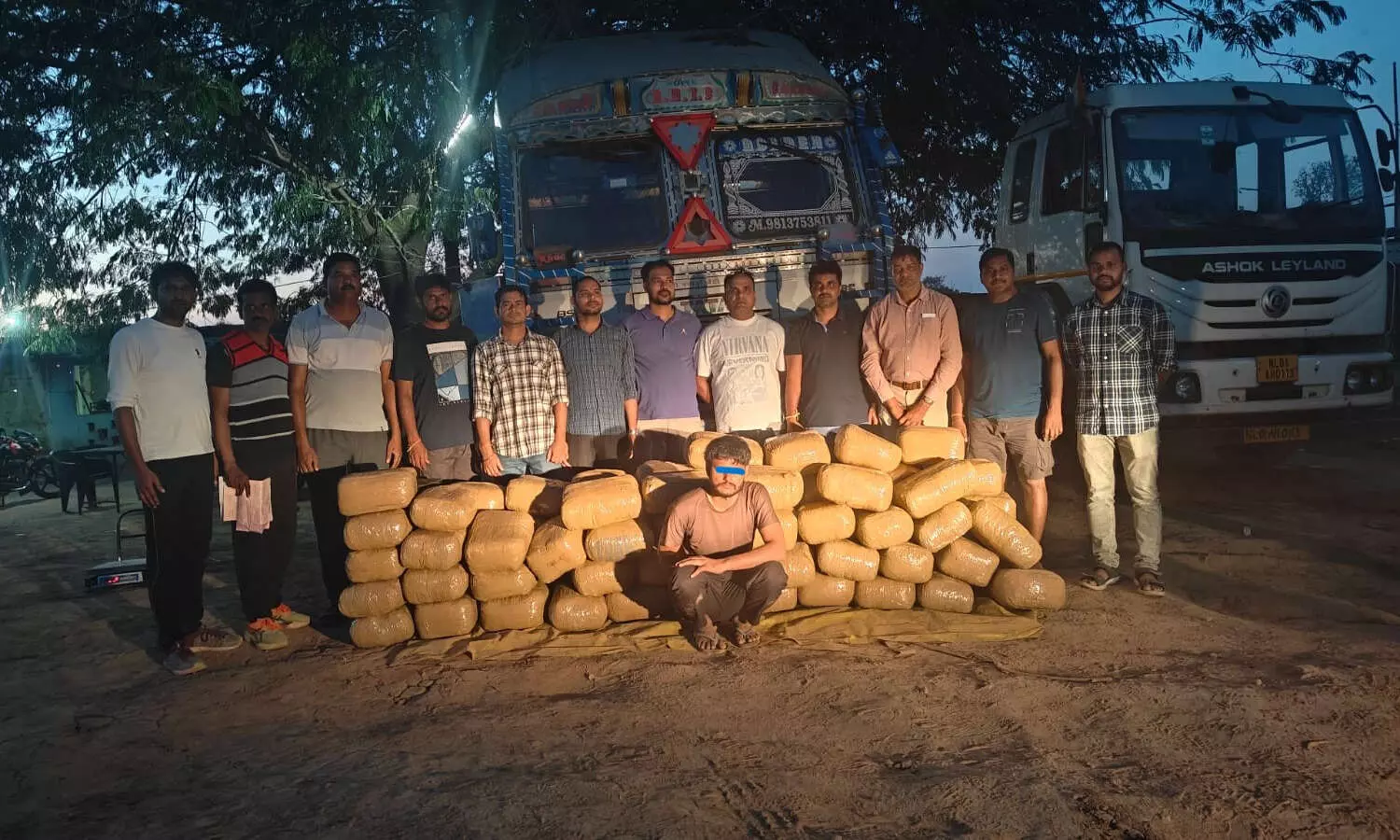
Focus on Intelligence-Led Enforcement
Officials involved in the operations have emphasized the importance of intelligence-based policing. Surveillance inputs, field intelligence, and coordination among multiple agencies have become key tools in tracking the movement of narcotics and identifying individuals linked to trafficking operations.
The Eagle Force has reportedly strengthened its network of informants and analytical capabilities to map supply routes and identify recurring patterns in drug movement. Such efforts are aimed not only at making seizures but also at dismantling entire criminal ecosystems involved in narcotics trafficking.
Rising Concern Over Drug Availability
The intensified crackdown comes amid ongoing concerns about the availability of cannabis and other narcotic substances in urban centers. Law enforcement agencies have warned that organized drug trafficking poses significant social and public safety challenges, particularly for younger populations vulnerable to substance abuse.
By targeting supply chains at the cultivation stage, authorities hope to reduce the flow of illegal drugs into consumer markets and curb the influence of trafficking networks operating across state boundaries.
Interstate Collaboration Becomes Critical
The operations highlight the growing importance of interstate collaboration in addressing organized crime. Since drug trafficking networks often operate across multiple jurisdictions, successful enforcement requires coordination between police forces, intelligence units, forest departments, and other regulatory agencies.
Officials believe that sustained joint operations and information-sharing mechanisms will play a crucial role in reducing large-scale cannabis cultivation and disrupting the financial networks that sustain the illicit trade.
Continuing Crackdown
As Eagle Force expands its reach into Odisha’s forested regions, authorities are expected to continue surveillance, eradication drives, and targeted enforcement actions against individuals involved in drug trafficking. The strategy reflects a long-term commitment to tackling narcotics at their source rather than focusing solely on downstream distribution networks.
Law enforcement officials maintain that persistent pressure on cultivation zones, transportation corridors, and organized trafficking groups remains essential to curbing the illegal drug trade and protecting communities from the harmful effects of narcotics-related crime.