
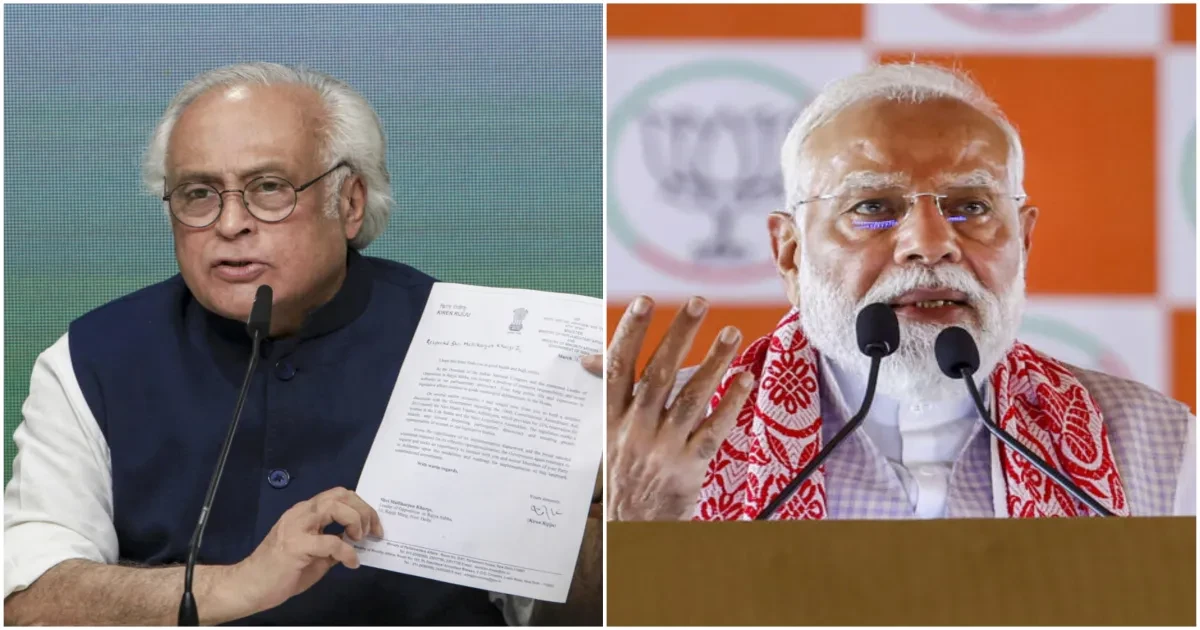
The political debate over India’s foreign policy intensified after the Congress party launched a sharp attack on the Union government following the signing of a memorandum of understanding (MoU) between Iran and the United States. The opposition party described the development as a serious setback to Prime Minister Narendra Modi’s foreign policy approach and questioned the effectiveness of India’s diplomatic engagement in the region.
The criticism comes at a time when geopolitical dynamics in the Middle East are undergoing significant changes, with major global powers seeking to reshape strategic partnerships and reduce tensions through diplomatic initiatives. According to Congress leaders, the latest agreement between Tehran and Washington raises important questions about India’s role and influence in regional diplomacy.
Congress Raises Questions Over Diplomatic Priorities
Senior Congress leaders argued that the Iran–US understanding highlights a changing geopolitical landscape in which India may not have secured the strategic advantages it had sought through years of diplomatic outreach. The party claimed that the government had frequently projected India’s foreign policy as a major success story, emphasizing strong relations with global powers while maintaining traditional partnerships in West Asia.
However, Congress contended that the latest development demonstrates the limitations of such an approach. Party representatives suggested that New Delhi must reassess its diplomatic priorities and ensure that long-term national interests remain at the center of its engagement with key international stakeholders.
The opposition also pointed to India’s historical ties with Iran, noting that the relationship has traditionally been important in areas such as energy security, trade, connectivity projects, and regional stability. Any shift in regional alignments, Congress argued, could have implications for India’s strategic interests.
Significance of the Iran–US Understanding
The memorandum of understanding between Iran and the United States is being viewed by analysts as an important diplomatic step in efforts to improve communication and potentially reduce tensions that have characterized relations between the two countries for years.
For decades, disagreements over security concerns, sanctions, nuclear issues, and regional influence have shaped interactions between Washington and Tehran. Any move toward greater cooperation or dialogue between the two nations is likely to attract international attention due to its potential impact on regional security and economic relations.
Political observers note that such developments often influence the strategic calculations of countries with strong interests in the Middle East, including India. The region remains crucial for India because of its energy requirements, trade routes, expatriate population, and broader security considerations. 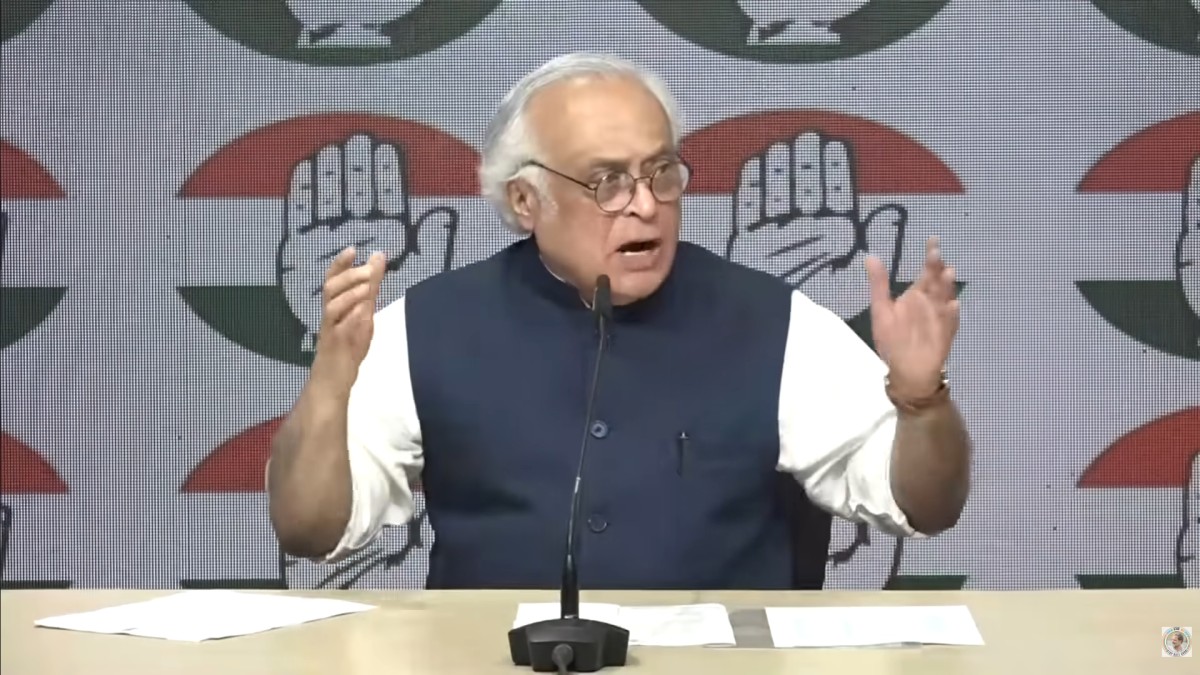
Opposition Links Development to India’s Foreign Policy Narrative
Congress leaders argued that the government has consistently highlighted its international engagements and high-profile diplomatic initiatives as evidence of India’s growing global stature. The party claimed that the Iran–US agreement challenges some of those narratives by demonstrating that major geopolitical shifts can occur independently of India’s diplomatic efforts.
According to the opposition, foreign policy success should be measured not only through international visibility and summit diplomacy but also through tangible outcomes that advance India’s strategic interests.
The party further emphasized the need for a balanced foreign policy capable of maintaining productive relations with multiple global powers while safeguarding national priorities amid rapidly evolving geopolitical realities.
Government Yet to Respond in Detail
While the opposition has used the development to criticize the government, official responses have remained focused on India’s broader commitment to strategic autonomy and constructive engagement with all major international partners.
India has traditionally pursued a foreign policy framework aimed at maintaining relations with diverse nations, including the United States, Iran, Gulf countries, Russia, and European partners. This approach has enabled New Delhi to navigate complex geopolitical challenges while protecting its economic and security interests.
Experts note that diplomatic relationships in international politics are rarely zero-sum and that evolving ties between two countries do not necessarily diminish the strategic importance of third-party partnerships. Nevertheless, the political debate generated by the Iran–US understanding is expected to continue, particularly as opposition parties seek to scrutinize the government’s foreign policy record.
Broader Geopolitical Implications
The Middle East remains one of the most strategically significant regions for India. Stability in the region affects energy supplies, maritime security, trade flows, and the welfare of millions of Indians living and working abroad.
As global powers adjust their diplomatic strategies and regional alliances continue to evolve, policymakers in New Delhi will likely monitor developments closely. The Iran–US MoU may become an important reference point in future discussions about India’s diplomatic positioning and its ability to safeguard national interests in an increasingly complex international environment.
For now, the agreement has sparked a fresh political confrontation at home, with Congress portraying it as evidence of shortcomings in the government’s foreign policy strategy, while supporters of the government are expected to argue that India’s long-term diplomatic objectives remain intact despite shifting global dynamics.