
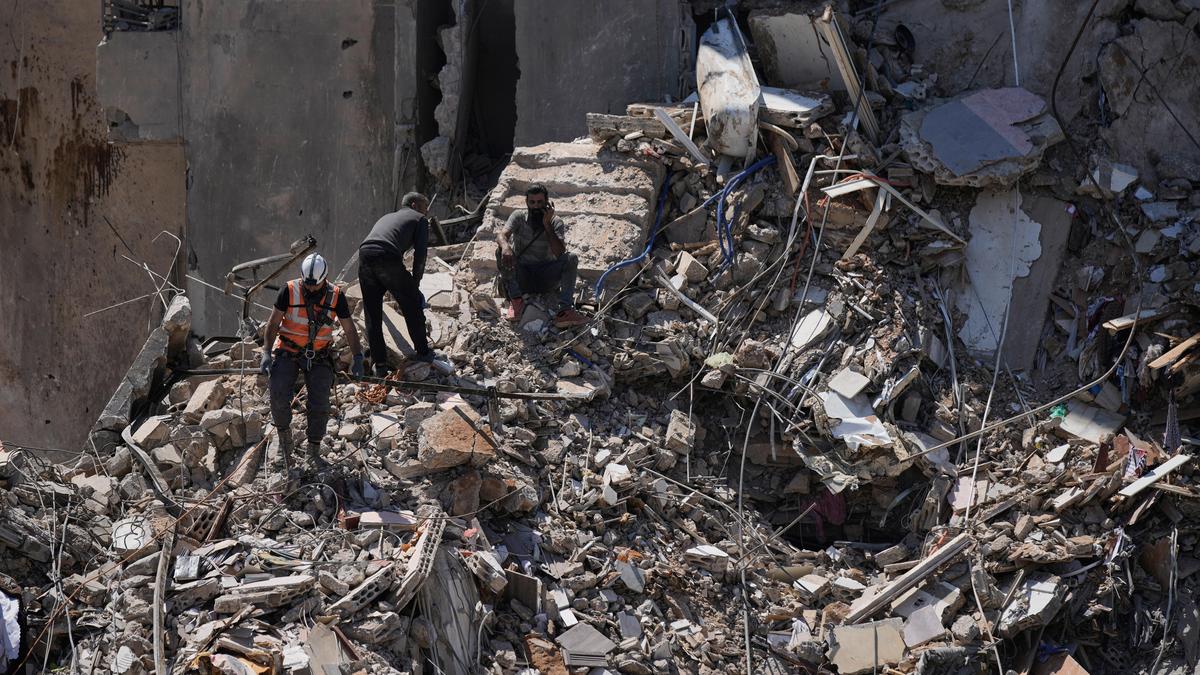
Growing military activity along Israel’s northern border and mounting concerns over a broader regional conflict have drawn renewed international attention to the relationship between former US President Donald Trump and Israeli Prime Minister Benjamin Netanyahu. As Israel intensifies its military operations in Lebanon and confrontations involving Iran continue to raise security concerns across the Middle East, Trump has reportedly adopted a noticeably more cautious stance toward Netanyahu, signaling a shift in a political partnership that once appeared exceptionally strong.
The development comes at a critical moment for the region, where military exchanges, diplomatic pressure, and strategic calculations are shaping the future of one of the world’s most volatile geopolitical landscapes.
Israel Expands Military Pressure in Lebanon
Israeli forces have increased military operations targeting positions linked to Hezbollah in Lebanon, citing ongoing security threats and cross-border attacks. The campaign represents part of Israel’s broader effort to neutralize militant infrastructure near its northern frontier and prevent the expansion of hostile activities supported by Iran-backed groups.
Security analysts note that the conflict has become increasingly interconnected with broader regional tensions involving Tehran and its network of allied organizations. Israeli officials maintain that decisive military action is necessary to protect national security and deter future attacks.
However, the escalation has also raised fears of a wider conflict that could draw additional regional actors into the confrontation. International observers continue to warn that sustained military operations risk destabilizing an already fragile security environment.
Trump and Netanyahu: A Relationship Under Scrutiny
For years, Trump and Netanyahu were viewed as close political allies. During Trump’s presidency, several major policy decisions were widely celebrated by the Israeli government, including diplomatic initiatives and strategic agreements that strengthened bilateral ties.
Yet recent developments suggest a more complicated dynamic. Trump has reportedly shown signs of frustration with Netanyahu’s handling of regional events and political decisions. Observers believe the former US president is increasingly focused on maintaining political flexibility as he navigates the evolving international landscape and domestic electoral considerations.
While Trump continues to express support for Israel’s security, his recent remarks and positioning indicate that he may be seeking greater distance from Netanyahu personally. The shift has generated significant discussion among political analysts, many of whom view it as an important signal regarding future US-Israel political relations should Trump return to office. 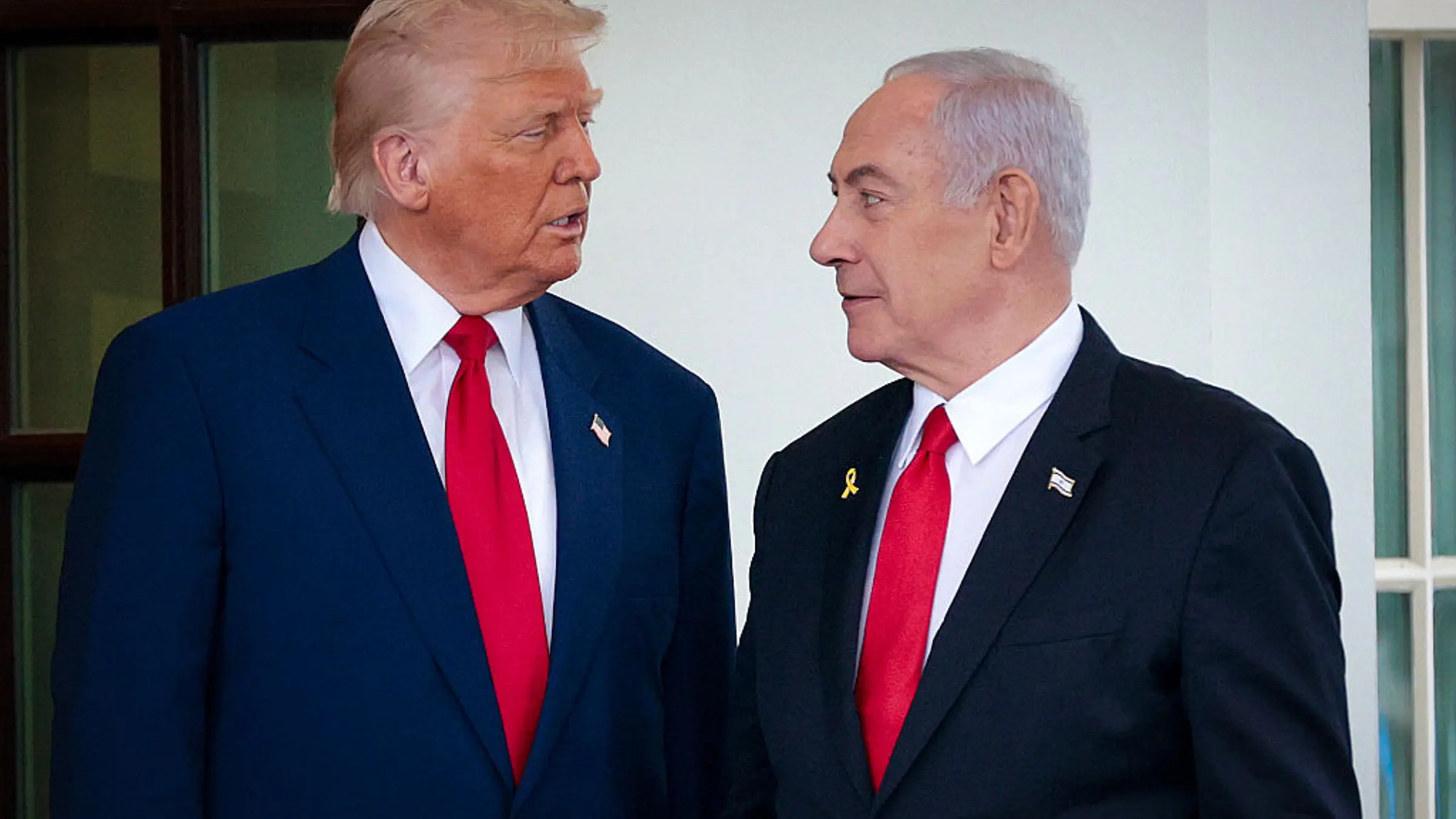
Iran Remains at the Center of Regional Concerns
Iran’s influence continues to be a central factor in the ongoing crisis. Israeli authorities have repeatedly accused Tehran of providing financial, military, and logistical support to armed groups operating across the region, including Hezbollah.
The growing confrontation between Israel and Iranian-backed organizations has heightened concerns among Western governments and regional powers alike. Military planners and diplomats fear that any major miscalculation could trigger a broader conflict extending beyond Lebanon and involving multiple countries.
Iran, meanwhile, has consistently defended its regional policies while criticizing Israeli military actions. The competing narratives have contributed to an increasingly polarized geopolitical environment, complicating efforts to achieve de-escalation.
International Community Calls for Restraint
Governments and international organizations have urged all parties to exercise restraint and pursue diplomatic solutions. Many world leaders fear that prolonged hostilities could have severe humanitarian consequences while undermining regional stability.
Diplomatic channels remain active, but progress toward a comprehensive resolution has been limited. Analysts note that ongoing military operations, political rivalries, and strategic mistrust continue to hinder meaningful negotiations.
The situation has become particularly sensitive given the broader geopolitical implications. Any significant escalation could affect global energy markets, international trade routes, and diplomatic relationships extending far beyond the Middle East.
Political Implications for the United States
The evolving relationship between Trump and Netanyahu carries implications beyond the immediate conflict. US policy toward Israel remains a significant issue in American politics, particularly during election cycles when foreign policy decisions often come under heightened scrutiny.
Trump’s apparent effort to differentiate his position from Netanyahu’s leadership style may reflect broader strategic calculations aimed at appealing to different segments of the American electorate. At the same time, it underscores the complexities of balancing support for Israel with concerns about regional stability and conflict management.
Political observers suggest that future developments in the Middle East could further influence US political discourse, especially if tensions continue to escalate.
Outlook Remains Uncertain
As military operations continue and diplomatic efforts struggle to gain momentum, uncertainty remains the defining feature of the current crisis. Israel’s security concerns, Hezbollah’s activities, Iran’s regional influence, and shifting international political dynamics have combined to create a highly complex situation.
The apparent cooling of relations between Trump and Netanyahu adds another layer of intrigue to an already challenging geopolitical environment. Whether this represents a temporary political adjustment or a more significant realignment remains to be seen.
For now, the Middle East remains on edge, with regional actors, global powers, and international institutions closely monitoring developments that could shape the future security architecture of the region for years to come.