
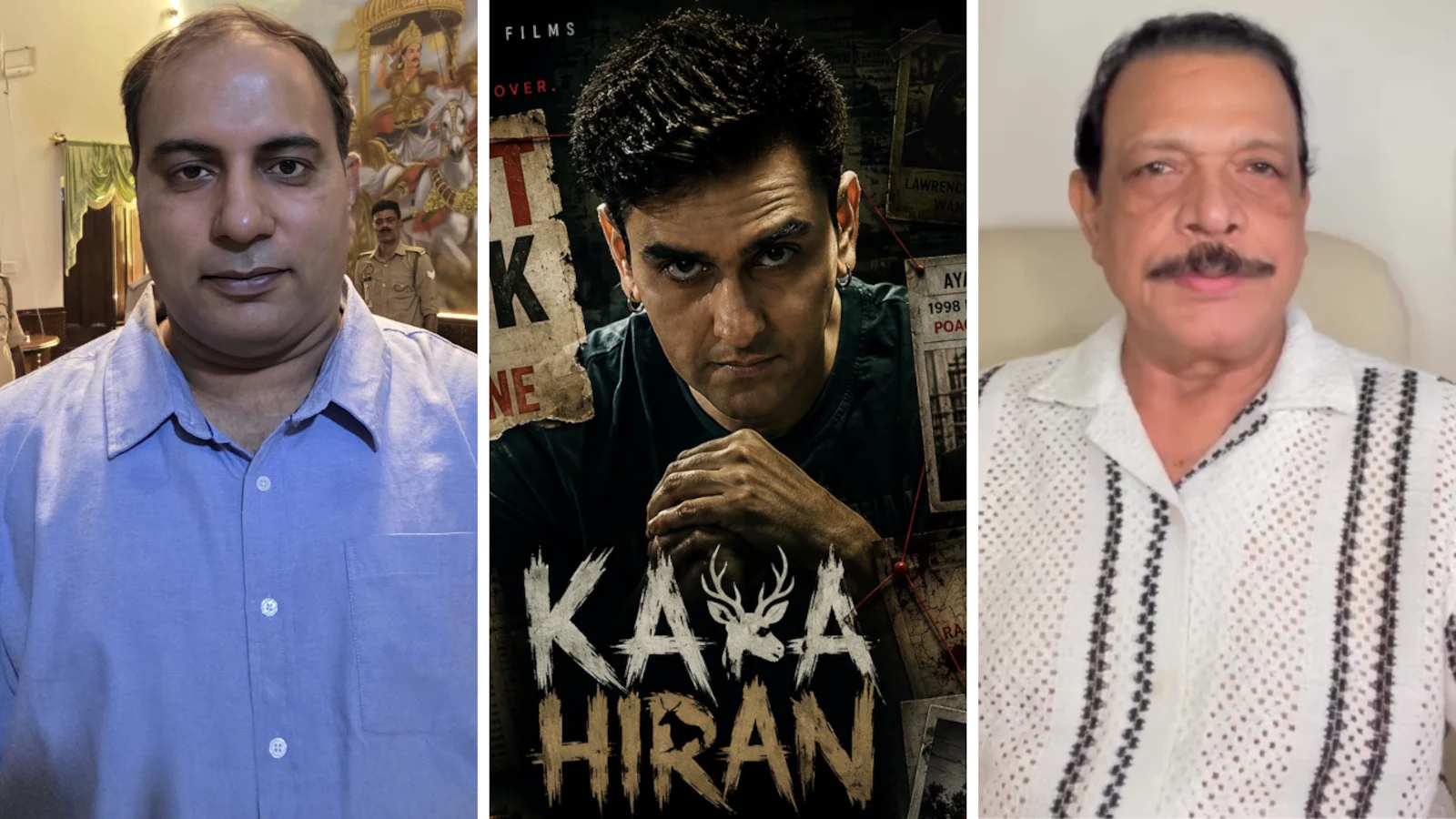
A fresh controversy has erupted in the Hindi film industry after the producer of the upcoming film Kala Hiran reportedly served a legal notice to veteran actor Govind Namdev over comments he made regarding the project. The notice seeks an unconditional apology from the actor, alleging that his public statements have damaged the reputation of the film and those associated with it.
The dispute has brought renewed attention to Kala Hiran, a film that has already generated considerable discussion due to its subject matter and perceived references to one of Bollywood’s most debated legal cases involving actor Salman Khan. The latest developments have further intensified public interest in the project, raising questions about artistic expression, personal opinions, and the legal consequences of public remarks made by industry figures.
Producer Objects to Govind Namdev’s Statements
According to reports, the producer of Kala Hiran expressed strong objections to comments made by Govind Namdev in connection with the film. The producer has alleged that the actor’s remarks were misleading and potentially harmful to the image of the production.
The legal notice reportedly states that the comments created a negative perception of the film among audiences and industry stakeholders. As a result, the producer has demanded that Namdev issue a public apology and retract statements considered defamatory or damaging.
The producer’s legal team is said to have argued that such remarks could affect the film’s commercial prospects and public reception, especially at a time when the project is attracting significant attention ahead of its release. 
Background of the Controversy
Kala Hiran has been under public scrutiny due to its title and thematic similarities that many observers believe reference the highly publicized blackbuck hunting case that involved Salman Khan decades ago. The case remains one of the most discussed legal matters involving a Bollywood celebrity and continues to generate public interest.
Although the filmmakers have maintained their own position regarding the project, discussions surrounding the film have frequently drawn comparisons to the real-life controversy. This association has led to divided opinions among audiences and members of the film fraternity.
Govind Namdev’s comments reportedly became part of this wider debate, ultimately prompting the producer to pursue legal action.
Demand for Public Apology
The legal notice issued to Namdev reportedly includes a demand for a formal public apology. The producer contends that the actor’s remarks have not only affected the film but have also caused reputational harm to individuals associated with the production.
Legal experts often note that such notices serve as a preliminary step before any further legal proceedings. In many cases, parties are given an opportunity to clarify, retract, or apologize for disputed statements before matters escalate in court.
Whether the dispute proceeds beyond the notice stage remains uncertain, but the development has already generated widespread discussion within entertainment circles.
Industry Reactions and Public Interest
The controversy has sparked conversations across the film industry, with observers debating the boundaries between freedom of expression and responsibility in public commentary. While actors and filmmakers frequently voice opinions on industry matters, disputes can arise when statements are perceived as harmful to an individual’s reputation or a project’s commercial interests.
The situation has also highlighted the sensitivity surrounding films inspired by real-life incidents, especially those linked to prominent public figures. Such projects often attract heightened scrutiny, making public commentary an influential factor in shaping audience perception.
Spotlight on ‘Kala Hiran’
As the dispute unfolds, attention remains firmly focused on Kala Hiran. The film’s association with a long-discussed chapter of Bollywood history has already made it a subject of intense public curiosity.
The latest legal developments have added another layer to the ongoing conversation, ensuring that the film remains in the spotlight even before its release. Industry observers will now be watching closely to see whether Govind Namdev responds to the notice and whether the matter can be resolved amicably.
For now, the controversy underscores the growing intersection of cinema, public discourse, and legal accountability in India’s entertainment industry, where comments made in the public domain can have far-reaching consequences for both individuals and film projects.