
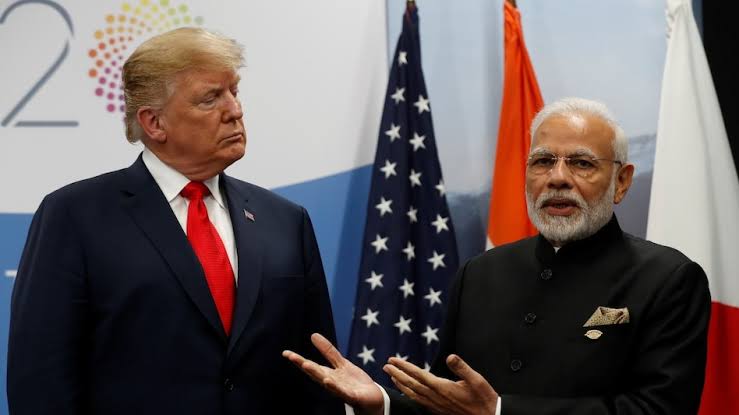
Prime Minister Narendra Modi is expected to hold a high-profile bilateral meeting with United States President Donald Trump on the sidelines of the G7 Summit in Canada, marking their first in-person interaction since Trump returned to the White House. The meeting comes at a critical moment for global diplomacy, with escalating tensions in West Asia, ongoing trade negotiations between India and the United States, and growing concerns over regional and international security expected to dominate discussions.
The anticipated engagement is being closely watched by policymakers and analysts, as both nations seek to strengthen strategic cooperation while addressing several pressing global challenges.
First Face-to-Face Meeting Since Trump’s Return
The meeting between Modi and Trump carries significant diplomatic importance, as it will be their first direct interaction since Trump’s latest presidential term began. Over the years, the two leaders have developed a strong political rapport, often highlighting the strategic partnership between the world’s largest democracies.
Officials familiar with preparations for the summit indicate that the leaders are expected to review the progress of bilateral ties and discuss avenues for expanding cooperation across trade, defence, technology, energy, and security sectors.
The discussions are likely to reaffirm the importance of the India-US partnership in shaping economic growth, regional stability, and geopolitical cooperation in the Indo-Pacific and beyond.
West Asia Crisis Likely to Feature Prominently
One of the key issues expected to be addressed during the meeting is the rapidly evolving security situation in West Asia. Rising hostilities involving Iran have heightened concerns among world leaders about the possibility of a broader regional conflict.
India has significant strategic and economic interests in the region, including energy security, trade routes, and the welfare of millions of Indian nationals living and working across Gulf countries. Any escalation in the conflict could have far-reaching consequences for global oil markets, international shipping routes, and regional stability.
Given Washington’s central role in developments involving Iran and its allies, discussions between Modi and Trump are expected to focus on diplomatic efforts to reduce tensions and prevent further destabilisation. 
Concerns Over Safety of Indian Nationals
The deteriorating security environment in parts of West Asia has also raised concerns regarding the safety of Indian citizens residing in the region. Reports of casualties involving foreign nationals amid ongoing hostilities have heightened anxieties among governments monitoring the situation.
India has traditionally maintained close ties with countries across the Gulf and has often undertaken large-scale evacuation and assistance operations when regional crises threaten the safety of its citizens.
Officials are expected to assess evolving developments and discuss coordination mechanisms aimed at ensuring the security and welfare of affected populations.
Trade Agreement Discussions Gain Momentum
Trade is expected to be another major focus of the Modi-Trump meeting. India and the United States have been engaged in negotiations aimed at resolving outstanding trade issues and enhancing economic cooperation.
Both countries have expressed interest in expanding bilateral commerce and investment. Negotiators have been working toward addressing market access concerns, tariff-related issues, supply chain cooperation, and opportunities in emerging sectors such as advanced manufacturing, clean energy, semiconductors, and digital technologies.
The upcoming discussions could provide political momentum to ongoing negotiations and help advance efforts toward a broader trade understanding that benefits businesses and consumers in both countries.
Strategic and Defence Cooperation on the Agenda
Apart from economic matters, security and defence cooperation are expected to feature prominently in the bilateral talks. India and the United States have significantly expanded defence ties over the past decade, with increasing collaboration in military exercises, defence procurement, intelligence sharing, and maritime security.
Both countries share concerns regarding regional stability and the need to maintain a rules-based international order. The summit discussions may include assessments of evolving security challenges in the Indo-Pacific region and opportunities for deeper strategic cooperation.
Experts believe that continued defence collaboration remains a key pillar of the broader India-US strategic partnership.
G7 Summit Provides Platform for Global Dialogue
The G7 Summit is taking place at a time when world leaders are grappling with multiple interconnected challenges, including geopolitical conflicts, economic uncertainties, climate concerns, and technological competition.
Although India is not a member of the G7 grouping, its growing economic and geopolitical influence has led to repeated invitations to participate in summit discussions. Modi’s presence at the gathering reflects India’s increasing importance in global decision-making processes and international diplomacy.
The summit offers an opportunity for leaders to engage in bilateral and multilateral consultations aimed at addressing some of the world’s most pressing issues.
Strengthening a Key Strategic Partnership
The anticipated Modi-Trump meeting is expected to reinforce the significance of India-US relations amid a rapidly changing global landscape. With challenges ranging from regional conflicts and energy security to trade and technology cooperation, both nations have strong incentives to deepen engagement and coordinate policy responses.
As leaders gather at the G7 Summit, the discussions between Modi and Trump are likely to attract considerable international attention, given their potential impact on bilateral relations and broader geopolitical developments.
The outcome of the talks could help shape the next phase of cooperation between New Delhi and Washington, while contributing to efforts aimed at promoting stability, economic growth, and strategic collaboration in an increasingly uncertain world.