
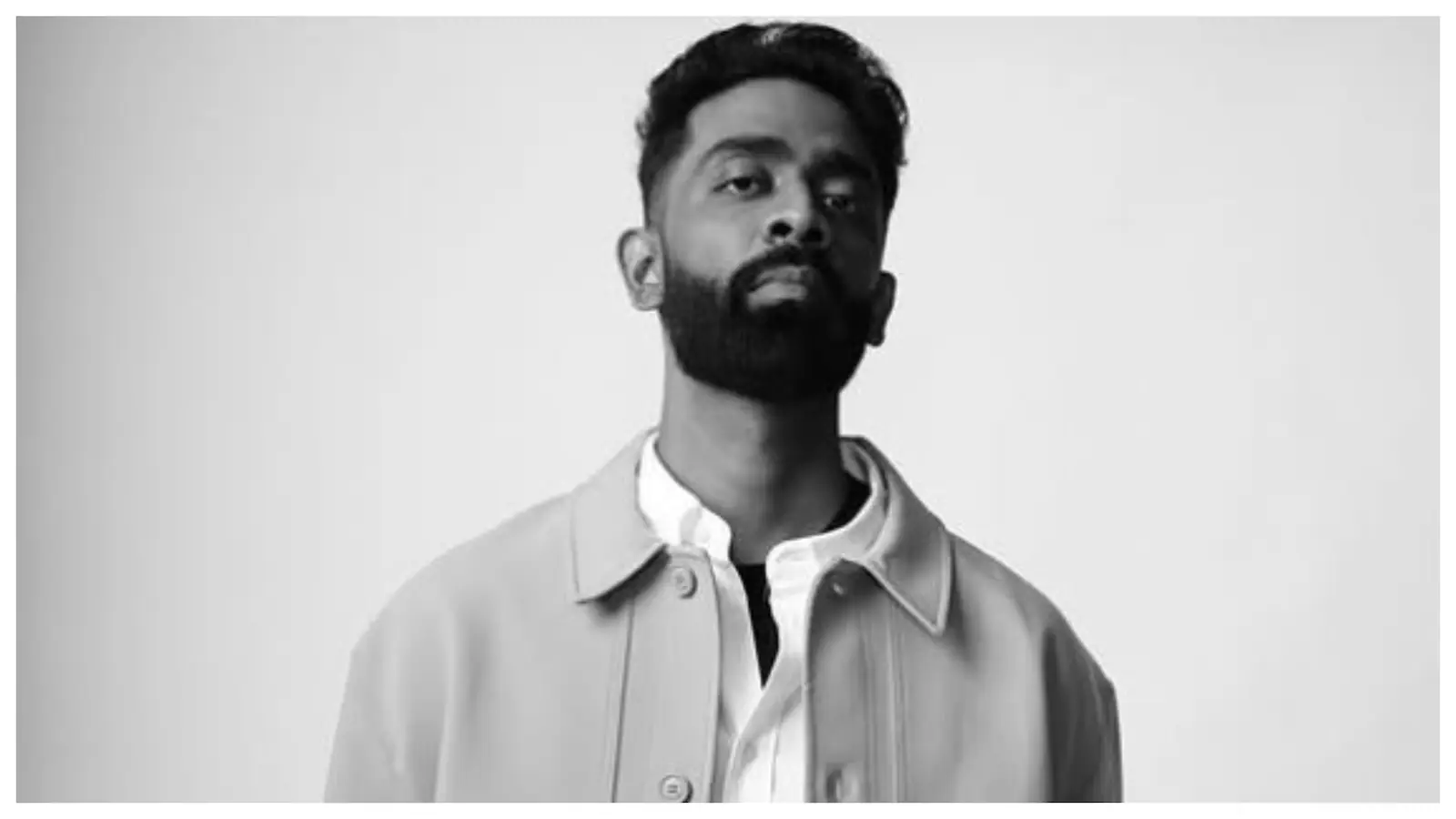
Social media personality and content creator Pranit More has publicly addressed the controversy surrounding his remarks about a ₹370 biryani dish, acknowledging the criticism directed at him and expressing regret over the incident. In a heartfelt statement shared with his followers, More admitted that the backlash he received was understandable and vowed to learn from the experience.
The controversy, which gained significant traction across social media platforms, sparked widespread debate about food pricing, consumer expectations, and the responsibility of influencers when reviewing products and services online. As the discussion intensified, many users criticized More’s comments, arguing that they appeared insensitive and unfair to the business involved.
Viral Controversy Triggers Online Debate
The issue began when More shared his views regarding a biryani meal priced at ₹370. His remarks quickly circulated online, attracting strong reactions from viewers. While some users agreed with his assessment and argued that customers have the right to question pricing and value, others felt that his comments unfairly targeted the establishment and contributed to negative public perception.
As clips and screenshots spread across social media, the incident evolved into a larger conversation about influencer culture and the impact of viral reviews on local businesses. The debate highlighted the growing influence content creators wield over consumer opinions and purchasing decisions.
Many users questioned whether public criticism from influencers should be balanced with a broader understanding of operational costs, ingredient quality, and the challenges faced by food businesses in a competitive market.
Pranit More Breaks Silence
After days of intense discussion and criticism, More addressed the issue directly through a public message. In his statement, he acknowledged the anger expressed by many social media users and accepted responsibility for his actions.
He stated that he understood why people were upset and admitted that the criticism directed toward him was deserved. Rather than attempting to defend himself, More chose to reflect on the situation and communicate his willingness to improve.
His response struck a noticeably apologetic tone, with the creator emphasizing that he had learned important lessons from the experience. He also conveyed his intention to become a more responsible individual moving forward, signaling a desire to grow both personally and professionally. 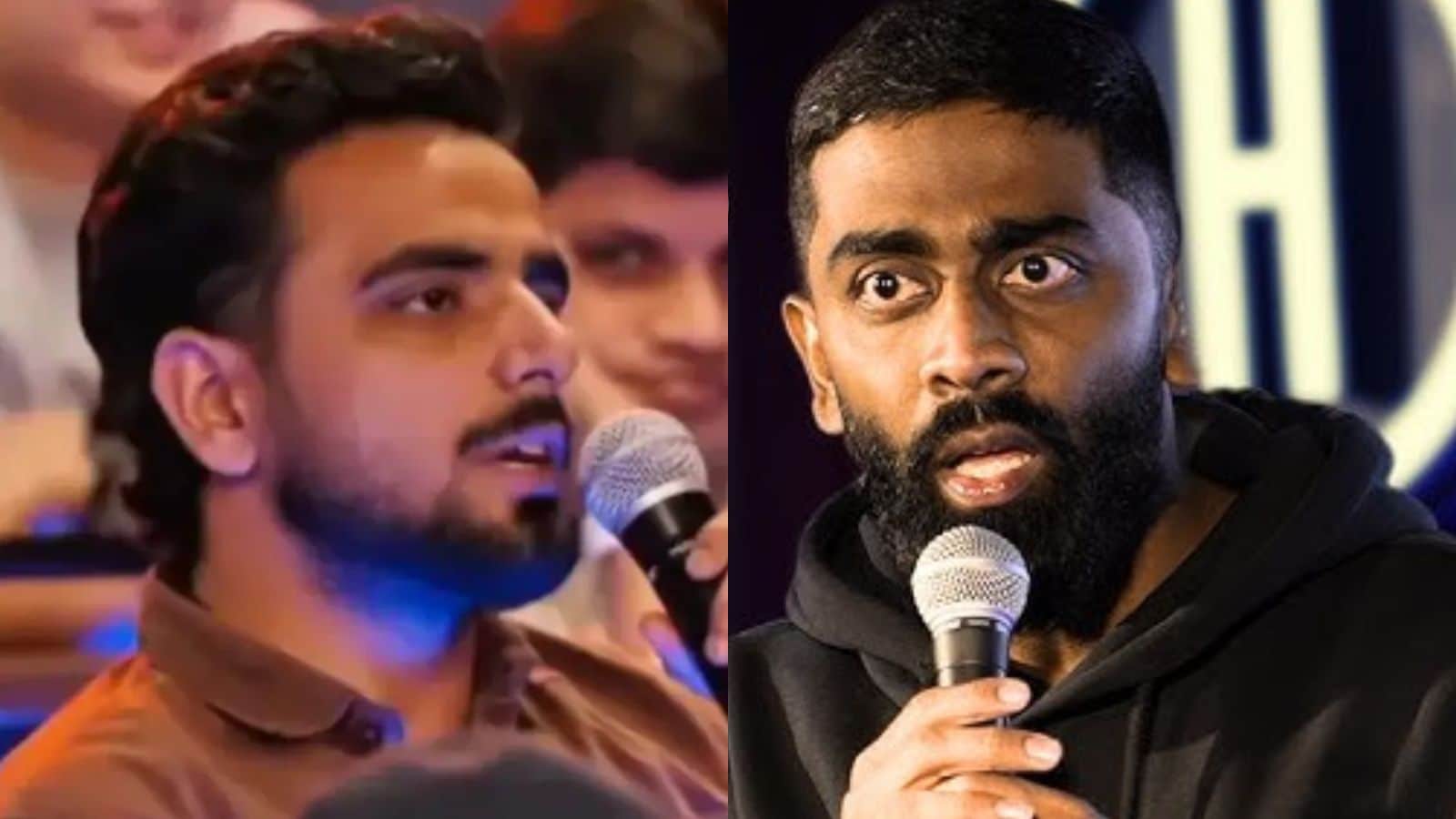
Mixed Reactions to the Apology
The apology generated a fresh wave of reactions online. Some users appreciated More’s willingness to acknowledge mistakes publicly, arguing that accepting criticism and taking accountability are important steps toward rebuilding trust.
Supporters praised his candid approach, noting that public figures often struggle to admit fault when facing online backlash. They viewed his statement as a mature response to a difficult situation.
However, not everyone was convinced. Some critics questioned whether the apology came too late, while others argued that the original remarks had already caused damage. These users maintained that influencers must exercise greater caution before sharing opinions that could significantly affect businesses and public perception.
The mixed response reflected the broader divide that had emerged throughout the controversy, with opinions remaining sharply split on both the original comments and the subsequent apology.
Broader Questions About Influencer Responsibility
The incident has reignited conversations about the responsibilities that accompany digital influence. With social media creators commanding large audiences and shaping consumer behavior, even casual reviews can have substantial consequences.
Industry observers note that influencers often operate in a space where personal opinions can quickly become public narratives. As a result, creators face increasing scrutiny regarding the accuracy, fairness, and tone of their content.
The biryani controversy serves as another example of how online discussions can escalate rapidly, transforming individual comments into nationwide conversations about accountability, ethics, and the power of digital platforms.
A Lesson in Public Accountability
For Pranit More, the episode appears to have become a moment of reflection. By openly accepting criticism and promising to become a better person, he has attempted to move beyond the controversy and demonstrate personal accountability.
Whether the apology ultimately changes public opinion remains to be seen. However, the incident underscores the challenges faced by content creators in the digital age, where every statement can be amplified instantly and judged by millions.
As conversations continue online, the controversy is likely to remain a reference point in ongoing discussions about influencer responsibility, consumer expectations, and the evolving relationship between creators and their audiences.