
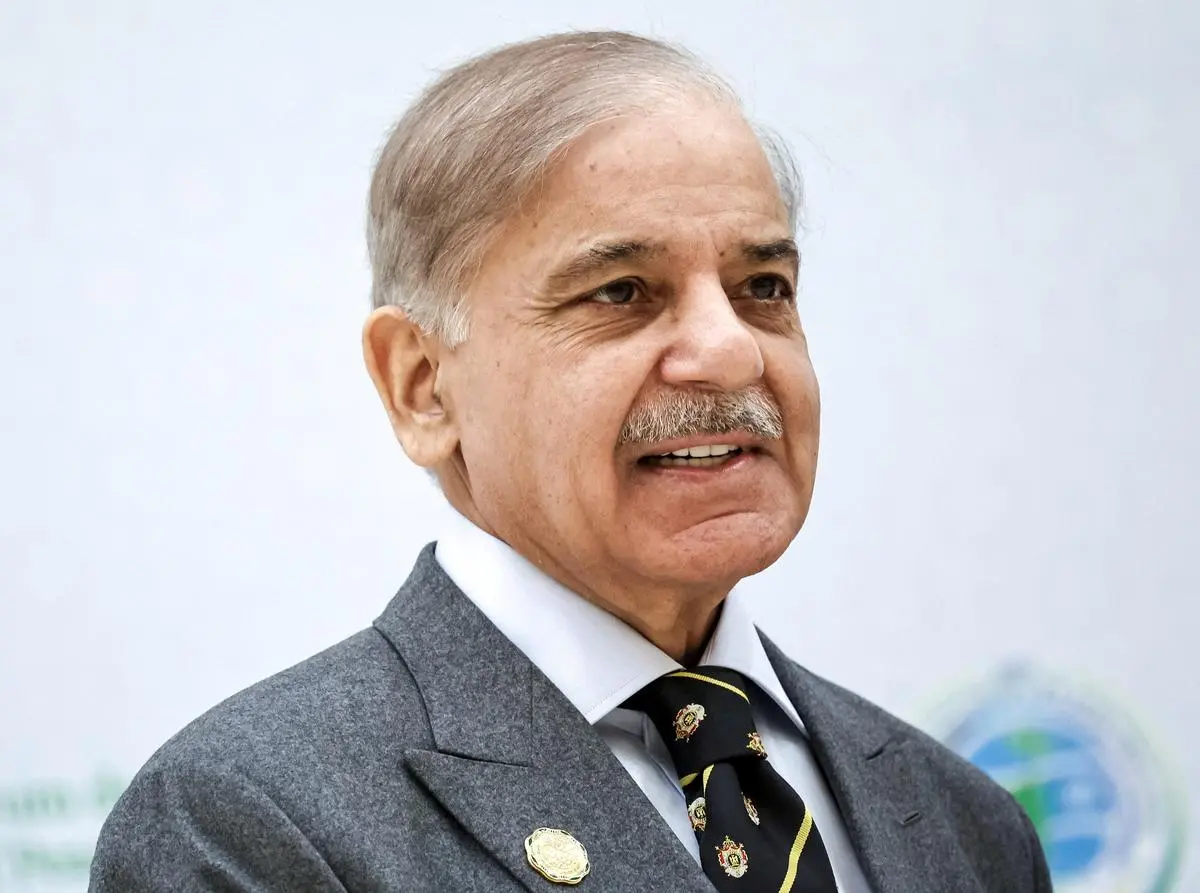
In a significant diplomatic development that could reshape geopolitical dynamics in the Middle East, Pakistan Prime Minister Shehbaz Sharif has announced that the final text of a proposed peace agreement between the United States and Iran has been agreed upon by the parties involved. The statement has sparked renewed optimism among international observers who view the potential accord as a major step toward reducing tensions in one of the world’s most strategically important regions.
Speaking on the evolving diplomatic landscape, Sharif indicated that negotiations surrounding the agreement had reached a decisive stage, with the final draft now completed after extensive discussions and consultations. The announcement comes amid ongoing international efforts to ease long-standing hostilities between United States and Iran, whose strained relationship has influenced regional security, global energy markets, and international diplomacy for decades.
A Potential Turning Point in U.S.–Iran Relations
Relations between Washington and Tehran have remained fraught with political, military, and economic tensions for many years. Disagreements over Iran’s nuclear ambitions, regional influence, sanctions, and security concerns have repeatedly led to diplomatic standoffs and periods of heightened confrontation.
The reported completion of a final peace agreement text suggests that negotiators may have found common ground on several contentious issues that have historically hindered progress. While specific details of the document have not yet been publicly disclosed, the development is being viewed as a potentially transformative moment in efforts to establish a more stable and predictable relationship between the two nations.
Analysts note that any formal agreement would likely require further procedural steps, including reviews by relevant authorities and possible implementation mechanisms. Nevertheless, reaching consensus on a final draft is widely regarded as a crucial milestone in diplomatic negotiations.
Pakistan’s Diplomatic Interest
Pakistan has maintained close diplomatic engagement with countries across the Middle East and has frequently advocated dialogue as a means of resolving regional disputes. Sharif’s remarks highlight Islamabad’s interest in promoting stability and peaceful conflict resolution, particularly in a region where security developments can have broad economic and political consequences.
As a country with strong ties to both regional and global powers, Pakistan has often supported diplomatic initiatives aimed at reducing tensions and encouraging constructive engagement among rival states. The Prime Minister’s comments underscore the significance Islamabad attaches to any agreement capable of fostering long-term peace and cooperation. 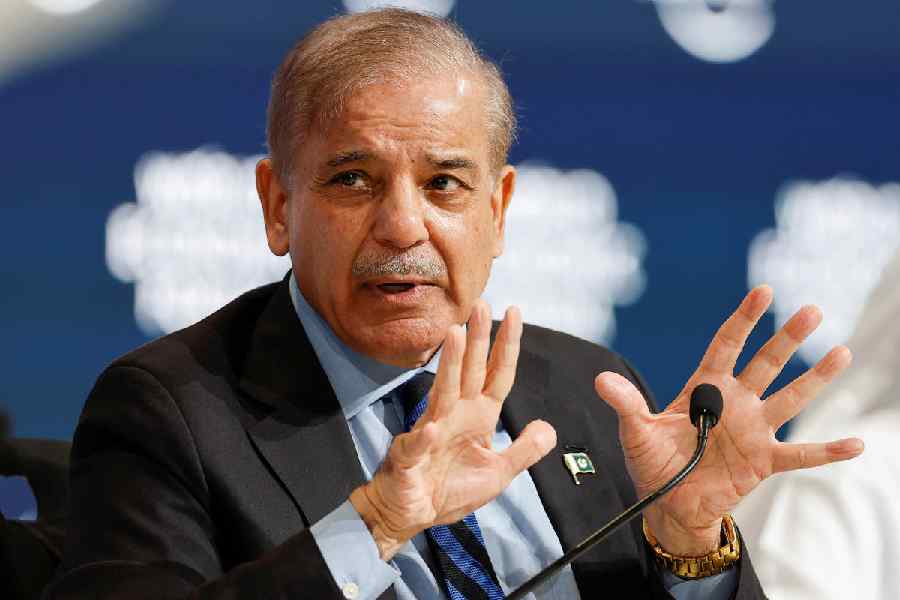
Regional and Global Implications
A successful U.S.–Iran peace agreement could carry far-reaching implications beyond bilateral relations. Improved ties between the two countries could contribute to greater stability across the Middle East, potentially reducing the risk of military escalation and creating opportunities for enhanced economic cooperation.
Energy markets are also closely monitoring developments. The relationship between the United States and Iran has long influenced global oil prices and broader economic conditions. A diplomatic breakthrough could affect international trade patterns, sanctions frameworks, and investment prospects across the region.
Furthermore, progress in U.S.–Iran relations could influence ongoing discussions involving regional security arrangements, maritime stability, and broader efforts to address conflicts that have affected neighboring countries for years.
International Community Watching Closely
Governments and diplomatic observers around the world are expected to closely follow the next phase of developments. Many countries have consistently supported diplomatic engagement between Washington and Tehran, arguing that dialogue remains the most effective path toward resolving disputes and preventing escalation.
The reported agreement on the final text may serve as a foundation for further diplomatic progress, though experts caution that implementation and mutual trust-building measures will be critical to ensuring the durability of any accord.
Outlook Ahead
While official details of the proposed agreement remain limited, the announcement by Pakistan’s Prime Minister has generated considerable interest within diplomatic circles. If the final draft proceeds to formal approval and implementation, it could mark one of the most consequential diplomatic breakthroughs in recent years.
For now, attention remains focused on the next steps in the process and whether the agreement can successfully translate negotiated commitments into lasting peace, improved relations, and greater regional stability. As developments continue to unfold, the international community will be watching closely to assess the potential impact of a deal that could redefine relations between the United States and Iran while reshaping the broader geopolitical landscape of the Middle East.