
India’s External Affairs Minister, S. Jaishankar, strongly defended India’s foreign policy decisions while addressing concerns raised by European nations over New Delhi’s continued engagement with Russia. Speaking during an official visit to Finland, the minister underscored India’s commitment to safeguarding its national interests and challenged what he described as inconsistent standards applied by some Western countries in international affairs.
His remarks came amid ongoing debates surrounding global energy markets, geopolitical alignments, and the economic consequences of prolonged international conflicts. Jaishankar argued that India’s decisions have been guided by practical considerations of energy security, economic stability, and the welfare of its citizens rather than geopolitical pressures.
India’s Position on Energy Security
Addressing criticism related to India’s purchase of Russian crude oil, Jaishankar emphasized that every nation prioritizes its own economic and energy requirements. He noted that during periods of global uncertainty and rising fuel prices, India took measures necessary to ensure affordable energy supplies for its population and industries.
According to the minister, India’s approach has consistently been transparent and aligned with national interests. He stressed that energy security remains a critical concern for developing economies, particularly those with large populations and growing industrial demands.
Jaishankar pointed out that countries across the world make decisions based on their strategic needs and that India should not be viewed differently for adopting a similar approach.
A Sharp Response to European Criticism
During discussions in Finland, Jaishankar appeared to challenge European nations over what he suggested were double standards in evaluating international conduct. He remarked that Indian-made weapons have never harmed European countries, contrasting this with the historical experiences of many regions affected by European conflicts and policies.
The statement was interpreted as a broader response to recurring criticism directed at India over its economic and diplomatic engagements. By highlighting historical and geopolitical realities, the minister sought to reinforce the idea that countries should assess contemporary challenges through a balanced and objective lens.
His comments reflected India’s growing confidence in asserting an independent foreign policy that is not tied exclusively to any single global bloc. 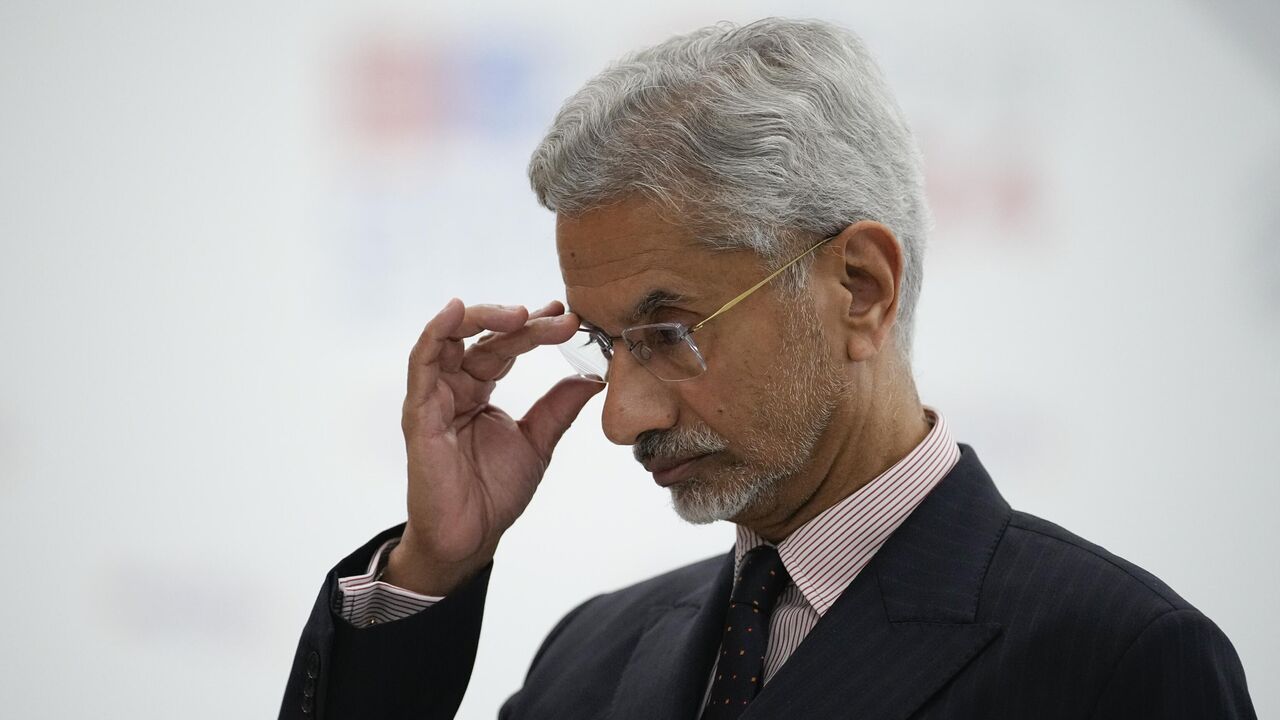
Strategic Autonomy Remains Central to Indian Diplomacy
India has repeatedly maintained that its foreign policy is rooted in the principle of strategic autonomy. This approach allows New Delhi to engage with multiple international partners while preserving the freedom to make decisions based on national priorities.
Jaishankar reiterated that India’s relationships with major powers are guided by mutual interests and respect rather than external expectations. He stressed that the country’s diplomatic choices are shaped by considerations such as economic growth, national security, technological advancement, and regional stability.
Over the past several years, India has strengthened ties with Western nations while simultaneously maintaining longstanding partnerships with other global powers. This balanced approach has become a defining feature of its international engagement strategy.
Balancing Global Partnerships
The minister highlighted that India’s global role has expanded significantly, making it an increasingly important voice in discussions on energy, trade, security, and economic development. As one of the world’s fastest-growing major economies, India faces unique challenges that require pragmatic decision-making.
He emphasized that international partners should recognize the complexity of these challenges rather than evaluate India’s actions through narrow geopolitical perspectives. According to Jaishankar, meaningful global cooperation requires acknowledging the diverse priorities and developmental needs of different nations.
The comments also reflected India’s broader effort to project itself as an independent and influential player capable of pursuing relationships across multiple geopolitical spheres.
Growing Debate Over Global Standards
Jaishankar’s remarks have added to a broader international debate about fairness and consistency in global policymaking. Many emerging economies have argued that developing nations are often judged differently from advanced economies when it comes to trade, energy sourcing, and strategic partnerships.
The Indian government has consistently maintained that decisions concerning energy imports and diplomatic relations should be viewed within the context of national development requirements. Officials have frequently argued that developing countries must retain the flexibility to pursue policies that support economic growth and social stability.
As geopolitical tensions continue to reshape international relations, India’s stance highlights its determination to maintain strategic independence while engaging constructively with partners across the world.
Conclusion
Jaishankar’s remarks in Finland underscored India’s firm position on protecting its national interests amid a rapidly changing global landscape. By questioning perceived double standards and defending India’s energy and diplomatic choices, the External Affairs Minister reinforced New Delhi’s commitment to strategic autonomy and pragmatic policymaking.
The comments also signal India’s growing willingness to openly articulate its perspective on global issues, reflecting the country’s evolving role as a major international actor navigating complex geopolitical realities.