
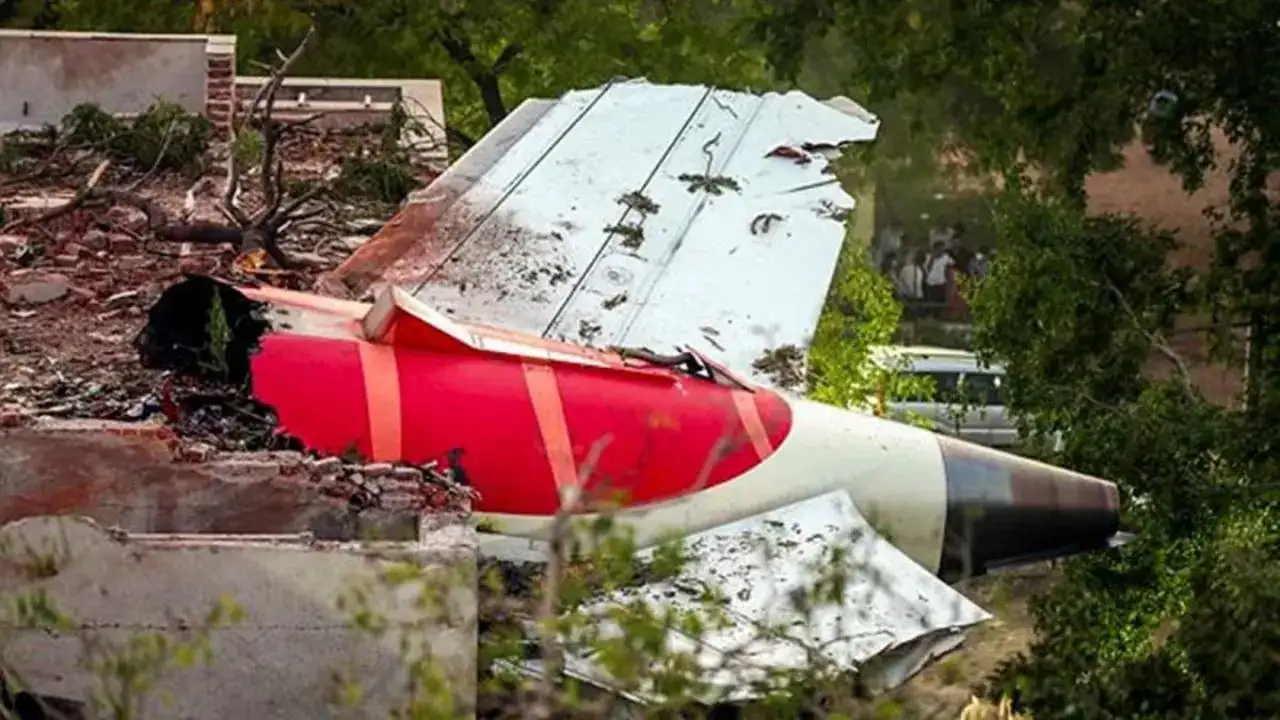
The recent Air India Boeing 787 crash has reignited concerns over the aircraft’s technical reliability, with a pilots’ representative body pointing to several issues that had reportedly been observed in the fleet over the past year.
According to statements made by the pilots’ association, recurring technical complaints involving electrical systems, motor replacements, and other operational irregularities had previously been flagged. The concerns have resurfaced following the tragic accident, prompting renewed scrutiny of maintenance procedures and aircraft performance.
Previous Technical Complaints Under Spotlight
Members of the pilots’ body stated that multiple aircraft in the Boeing 787 fleet had experienced electrical malfunctions and component-related issues over time. These concerns allegedly included failures linked to specific motors and systems that required replacement during maintenance.
Pilots emphasized that such technical observations had been communicated through established reporting channels. They stressed that while modern aircraft are designed with multiple layers of safety and redundancy, repeated technical incidents warrant careful investigation and continuous monitoring.
Crash Triggers Broader Questions
The latest crash has intensified discussions regarding aircraft safety standards, maintenance oversight, and the response mechanisms followed after pilots report technical anomalies. Aviation experts note that determining the exact cause of any crash is a complex process that involves examining flight data recorders, cockpit voice recordings, maintenance histories, and weather conditions.
Authorities and investigators are expected to conduct a comprehensive analysis to establish whether any previously reported issues had any connection with the accident.

Boeing 787’s Global Reputation
The Boeing 787 Dreamliner is one of the world’s most widely used long-haul aircraft and is operated by numerous international airlines. Known for its fuel efficiency and advanced technology, the aircraft has generally maintained a strong safety record. However, like all modern aircraft, it occasionally faces technical challenges that require corrective action and regulatory oversight.
Industry analysts say that isolated incidents do not automatically indicate systemic flaws, but repeated reports from pilots often become an important aspect of aviation safety reviews.
Importance of Pilot Reporting Systems
Aviation specialists underline that pilot feedback plays a crucial role in maintaining safety standards. Reporting mechanisms allow airlines and regulators to identify patterns, address emerging issues, and implement preventive measures before they escalate.
The pilots’ body has called for a transparent and thorough investigation into the crash and urged authorities to carefully examine earlier technical reports submitted by flight crews.
Investigation Continues
As investigators work to determine the sequence of events that led to the accident, aviation authorities are expected to assess maintenance records and operational histories associated with the aircraft involved.
The findings of the investigation will be critical in understanding whether the crash resulted from mechanical failure, operational factors, environmental conditions, or a combination of multiple causes.
The aviation industry and passengers worldwide are closely watching the outcome, as the conclusions could influence future safety protocols and fleet management practices.