
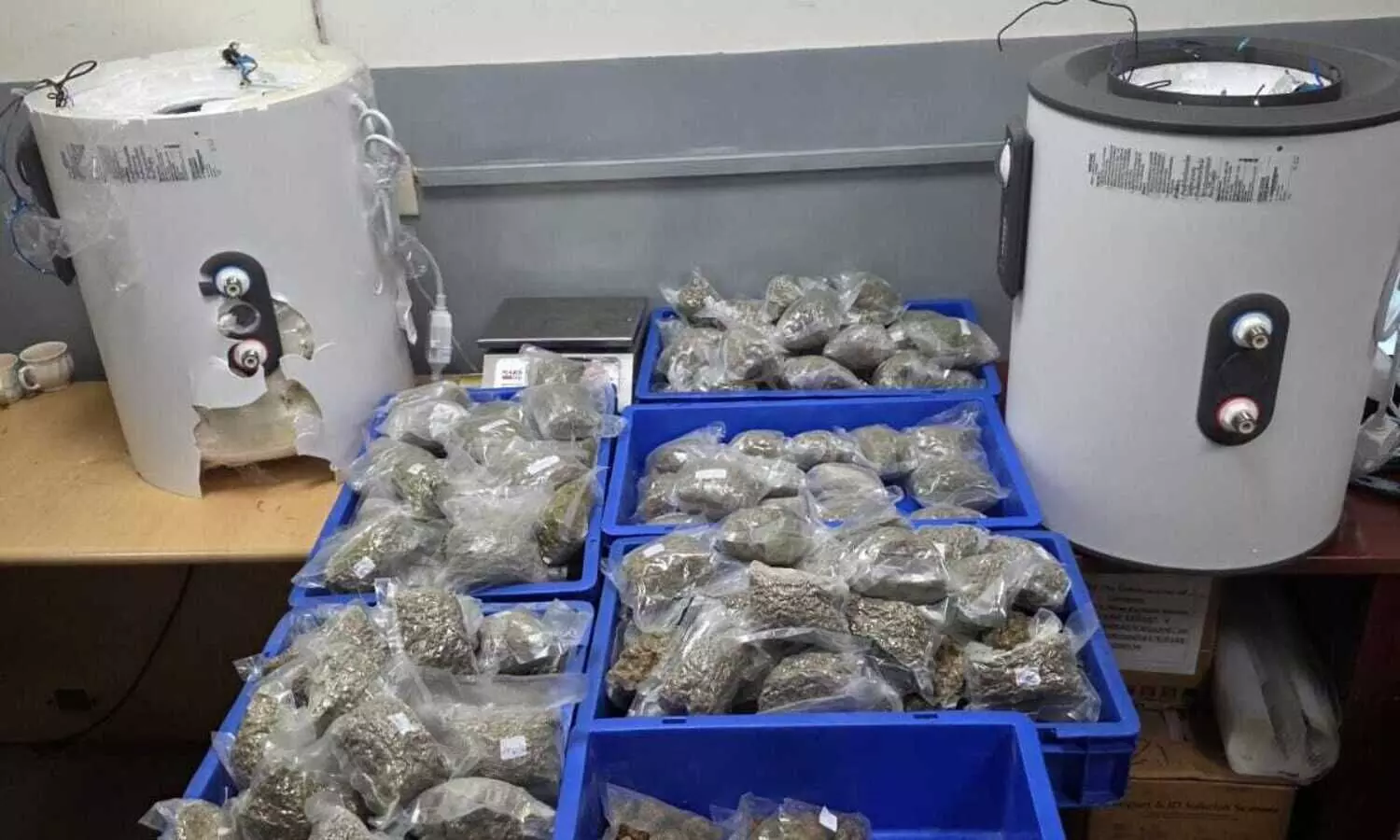
In a significant crackdown on international drug trafficking, customs authorities at Delhi’s international airport have seized hydroponic cannabis valued at approximately ₹5.38 crore. The narcotic substance was allegedly concealed inside imported geysers, indicating a sophisticated attempt to evade security checks and customs scrutiny.
The seizure has once again highlighted the growing challenge posed by organized drug smuggling networks that use innovative concealment methods to transport high-value narcotics across borders.
Contraband Hidden Inside Household Appliances
According to officials involved in the operation, the hydroponic cannabis was discovered during a detailed inspection of imported cargo that initially appeared to contain ordinary household appliances. The suspicious consignment consisted of geysers that had been modified to conceal packets of the prohibited substance.
Customs officers reportedly identified irregularities during routine screening procedures, prompting a more thorough examination. Upon dismantling the appliances, authorities recovered multiple packages of hydroponic cannabis carefully hidden within the units.
The total quantity of the seized narcotic has been valued at around ₹5.38 crore in the illegal market, making it one of the notable drug interceptions recorded at the airport in recent months.
What Is Hydroponic Cannabis?
Hydroponic cannabis is a premium variety of marijuana cultivated using hydroponic farming techniques rather than traditional soil-based methods. Because it is grown under controlled conditions, the product is often considered more potent and commands significantly higher prices in illegal drug markets.
Law enforcement agencies across India have witnessed a rise in attempts to smuggle hydroponic cannabis due to increasing demand among certain consumer segments. The substance is frequently trafficked through international courier networks, cargo shipments, and passenger baggage. 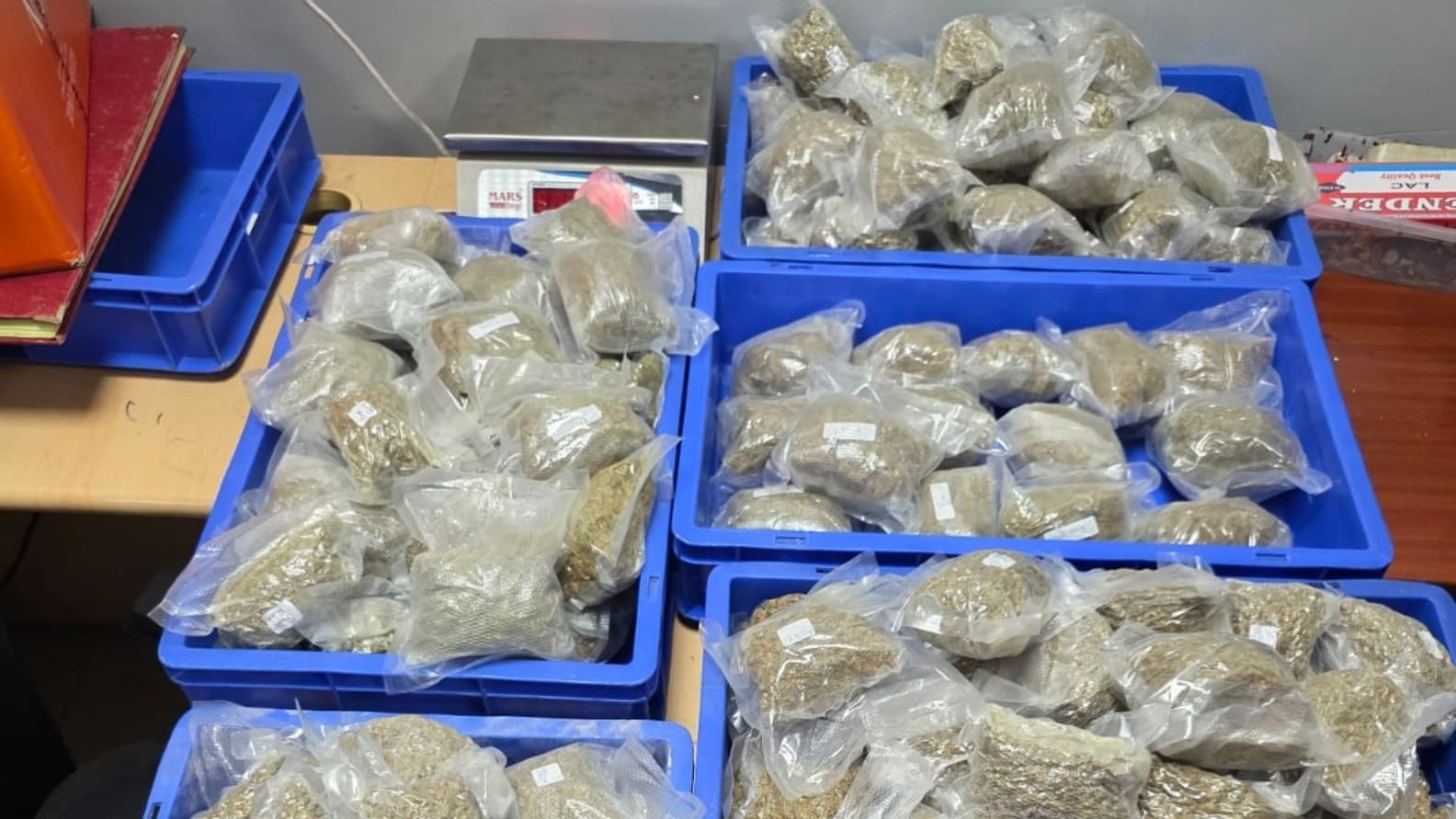
Sophisticated Smuggling Techniques Raise Concerns
Investigators believe the concealment of narcotics inside electrical appliances reflects a well-planned operation designed to bypass conventional detection mechanisms. Smuggling syndicates often employ increasingly complex methods to transport drugs, ranging from false compartments and modified machinery to disguised packaging within legitimate cargo.
Authorities suspect that the seizure may be linked to a broader trafficking network operating across international routes. Investigative agencies are now examining shipping records, import documentation, and possible connections to individuals involved in the consignment.
Officials are also working to determine the origin of the shipment and identify the intended recipients within India.
Investigation Underway
Following the seizure, customs authorities initiated legal proceedings under the provisions of the Narcotic Drugs and Psychotropic Substances (NDPS) Act. The investigation aims to uncover the complete supply chain behind the operation, including financiers, handlers, import facilitators, and distribution networks.
Enforcement agencies are expected to coordinate with other national and international authorities to trace the source of the narcotics and dismantle any organized syndicates connected to the case.
Officials have indicated that further arrests and searches may follow as the investigation progresses.
Growing Focus on Airport Drug Interdiction
India’s major international airports have become critical points for narcotics interdiction, with enforcement agencies increasingly relying on advanced scanning technology, intelligence inputs, and risk assessment techniques to identify suspicious consignments.
The latest seizure underscores the importance of continuous vigilance at entry points, particularly as traffickers adopt more sophisticated concealment strategies to move illegal substances through commercial cargo channels.
The successful interception prevented a substantial quantity of high-value narcotics from entering the domestic market and marks another major achievement in ongoing efforts to combat international drug trafficking and organized crime.
As investigators continue to probe the case, authorities remain focused on identifying the individuals and networks responsible for orchestrating the smuggling attempt and ensuring that those involved are brought to justice.