
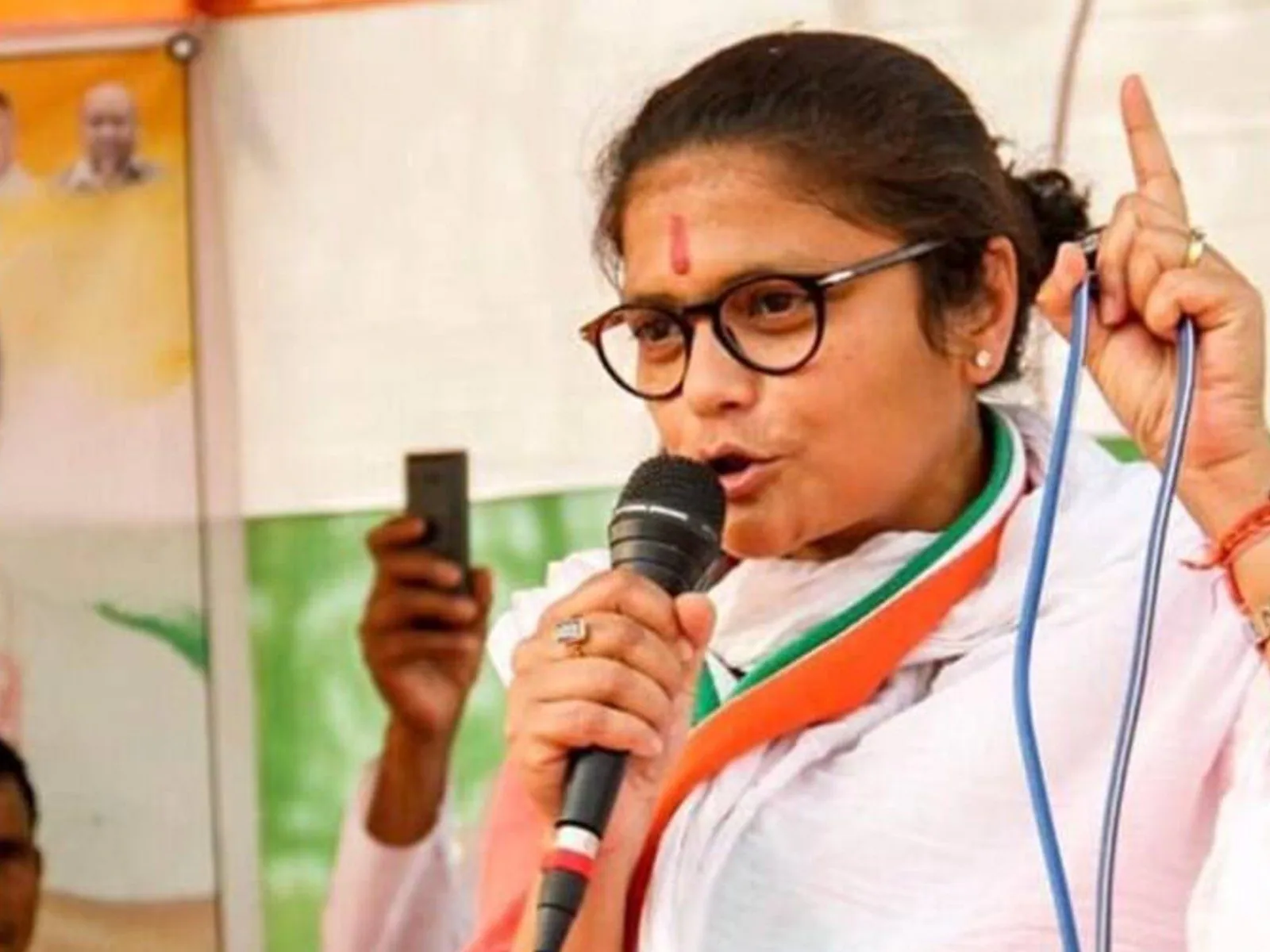
Former Rajya Sabha MP and senior political leader Sushmita Dev has finally spoken publicly about her decision to part ways with the Trinamool Congress (TMC), describing the circumstances behind her departure as “a long story” that cannot be reduced to a simple explanation.
Her remarks have reignited discussions about the internal dynamics of opposition politics and the challenges faced by leaders navigating shifting political alliances in India. While Dev stopped short of providing a detailed account of every factor that led to her exit, her comments suggest that the decision emerged from a complex combination of political considerations, personal convictions, and evolving career priorities.
A Departure That Raised Questions
Sushmita Dev’s exit from the Trinamool Congress attracted significant attention across political circles. Having joined the party after leaving the Indian National Congress, she was considered one of the prominent faces brought into the TMC as part of its efforts to expand its influence beyond its traditional stronghold in West Bengal.
Her move to the Trinamool Congress had been viewed as a major political development, particularly because she brought with her years of parliamentary experience and a strong public profile. As a Rajya Sabha member representing the party, she often spoke on national issues and played an active role in parliamentary debates.
However, her eventual departure sparked speculation about whether disagreements within the party, strategic differences, or broader political calculations may have contributed to the decision.
“It’s a Long Story”
When asked about the reasons behind leaving the Trinamool Congress, Dev chose her words carefully. Rather than revealing specific incidents or naming individuals, she indicated that the circumstances were far more complicated than they appeared from the outside.
Her characterization of the episode as “a long story” suggests that the decision was not triggered by a single event but was likely the result of a gradual process involving reflection and reassessment.
Political observers note that such statements often indicate a combination of organizational, ideological, and personal factors that accumulate over time. Leaders frequently avoid discussing internal disputes publicly, preferring instead to maintain political decorum while acknowledging that differences existed.
The Challenges of Opposition Politics
Dev’s comments come at a time when opposition parties across India continue to face the challenge of balancing regional ambitions with national political objectives. The Trinamool Congress has, over the years, sought to strengthen its presence in several states outside West Bengal, bringing leaders from different political backgrounds into its fold.
While such expansion efforts can broaden a party’s reach, they can also create challenges related to organizational integration, leadership structures, and political expectations. Leaders joining from other parties often bring their own experiences, networks, and policy perspectives, making adaptation a complex process.
Political analysts believe that managing these diverse expectations is one of the most significant challenges for any party attempting rapid national expansion.
From Congress to Trinamool and Beyond
Before joining the Trinamool Congress, Sushmita Dev had spent years with the Congress party, where she established herself as a vocal leader and parliamentarian. Her departure from Congress had itself generated widespread discussion, as she was considered a recognizable face within the party.
Her subsequent move to the Trinamool Congress was interpreted as a sign of changing political equations within the opposition space. At the time, the decision was viewed as part of a broader trend of regional parties attracting experienced national-level leaders.
Now, with her exit from TMC becoming a subject of public interest, many political observers are once again assessing the broader implications of such transitions and what they reveal about the evolving nature of Indian politics. 
Balancing Personal and Political Priorities
Although Dev did not provide an exhaustive explanation for her departure, her remarks suggest that personal considerations may have played a role alongside political factors. For many public figures, career decisions involve balancing party responsibilities, ideological commitments, public expectations, and long-term aspirations.
Such decisions are rarely straightforward, particularly in a political environment where every move is closely scrutinized and often interpreted through multiple lenses.
By choosing not to delve into every detail, Dev appears to have signaled a desire to move forward rather than revisit past disagreements. At the same time, her acknowledgment that the story is a lengthy one leaves open the possibility that further details could emerge in the future.
Wider Political Significance
The discussion surrounding Sushmita Dev’s departure reflects broader themes in contemporary Indian politics, including leadership mobility, party realignments, and the changing nature of opposition alliances.
As political parties prepare for future electoral battles, the movement of experienced leaders continues to attract attention because it can influence organizational strategy, voter perception, and regional political equations.
For now, Dev’s brief but intriguing explanation has added another layer to the conversation, leaving political observers and supporters curious about the full story behind her decision to leave the Trinamool Congress.
While many questions remain unanswered, her remarks underscore the reality that major political decisions are often shaped by a complex mix of circumstances that unfold over time rather than by a single defining moment.