

In a significant political and administrative development, Assam Chief Minister Himanta Biswa Sarma has allocated portfolios to 12 newly inducted ministers following the recent expansion of the state cabinet. The move is being viewed as a strategic effort to strengthen governance, improve administrative efficiency, and prepare the government for upcoming developmental and political challenges.
The cabinet reshuffle and portfolio distribution mark one of the most important changes in the state’s executive structure in recent months. By assigning responsibilities across key departments, the Chief Minister has sought to balance experience, regional representation, and administrative priorities while ensuring that crucial sectors receive focused attention.
Strategic Redistribution of Responsibilities
The allocation of portfolios comes shortly after the induction of the new ministers into the Assam Council of Ministers. The expansion has increased the government’s administrative capacity and is expected to provide greater momentum to policy implementation across various sectors.
The newly appointed ministers have been entrusted with a diverse range of departments covering social welfare, infrastructure, education, public services, rural development, and economic growth. The distribution reflects the government’s intention to accelerate ongoing projects while introducing fresh leadership into critical areas of governance.
Political observers note that the portfolio assignments appear carefully calibrated to ensure both continuity and innovation. Experienced legislators have been given responsibilities in sectors requiring immediate attention, while newer faces have been provided opportunities to contribute to emerging policy initiatives. 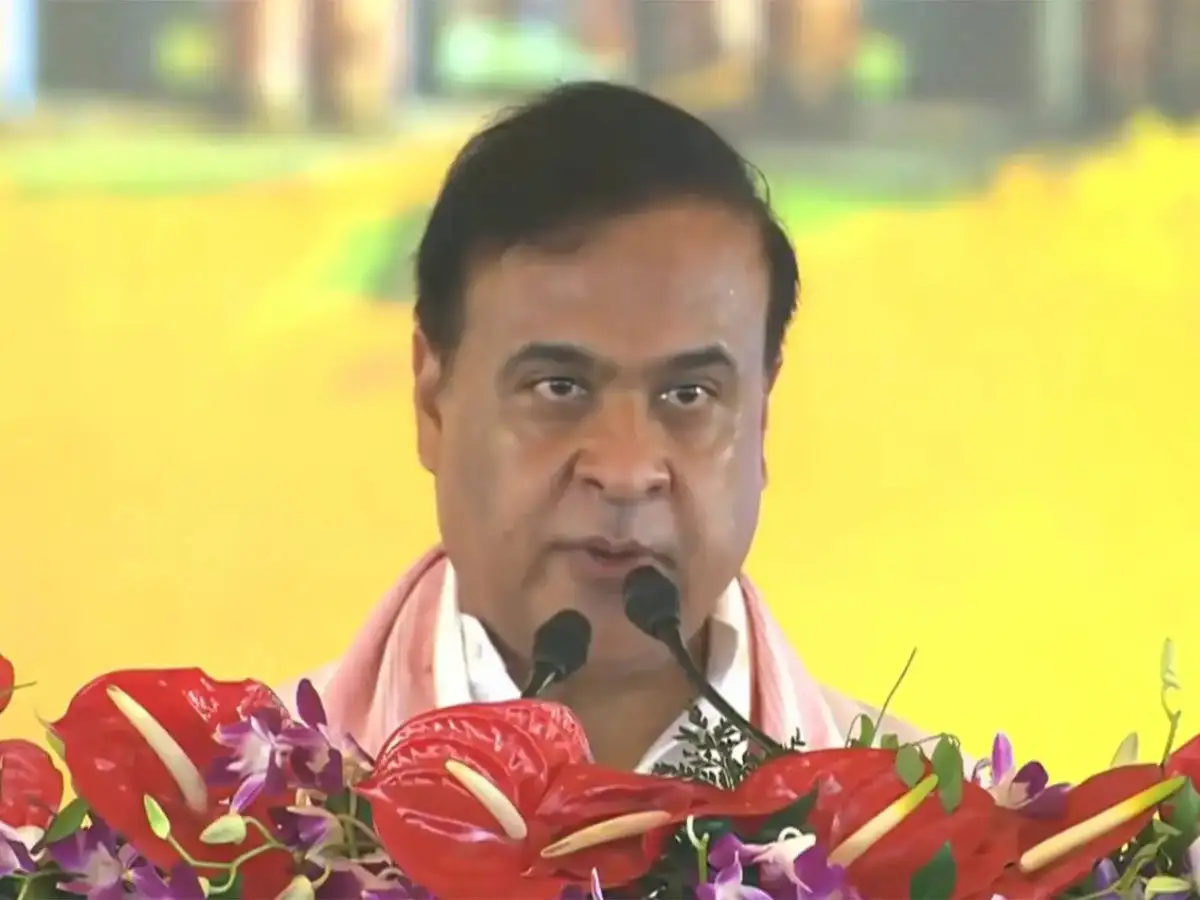
Strengthening Governance Across Departments
The latest cabinet expansion is expected to enhance coordination among departments and improve the delivery of government services. Assam has been pursuing ambitious development goals in recent years, including infrastructure modernization, industrial investment, employment generation, healthcare improvements, and educational reforms.
By bringing additional ministers into the government, the administration aims to ensure more focused oversight of departmental functions. The move is likely to reduce administrative bottlenecks and facilitate faster decision-making processes at various levels of governance.
Government officials believe that assigning dedicated ministers to key departments will improve accountability and accelerate the implementation of flagship schemes. Several sectors that have witnessed increased public demand for services are expected to benefit from enhanced ministerial attention.
Political Significance of the Cabinet Expansion
Beyond administrative considerations, the cabinet reshuffle carries considerable political significance. The inclusion of new ministers and the distribution of portfolios are often viewed as indicators of a government’s strategic priorities and future direction.
The exercise reflects efforts to maintain regional balance and ensure broader representation within the state’s leadership structure. Assam’s diverse demographic and geographic landscape requires careful political management, and cabinet composition frequently serves as a tool for addressing regional aspirations and strengthening public engagement.
Analysts suggest that the expansion also reinforces the ruling leadership’s commitment to organizational consolidation and governance-focused politics. By accommodating a wider range of leaders within the executive framework, the government seeks to strengthen coordination between administrative institutions and political representatives. 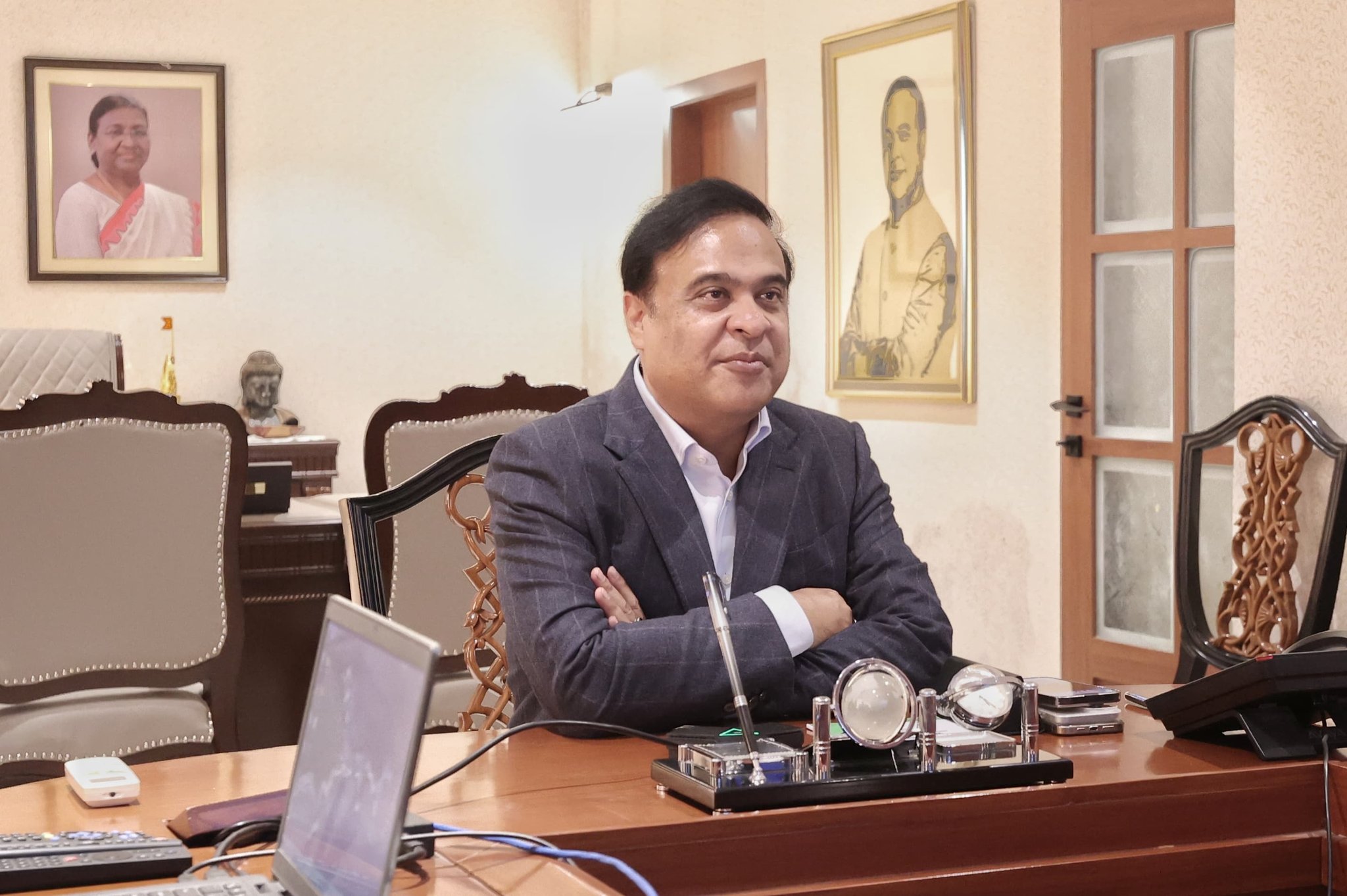
Focus on Development and Public Service Delivery
The government has repeatedly emphasized development-oriented governance as a central objective. With new ministers now assuming charge of their respective departments, attention is expected to shift toward the execution of ongoing projects and the introduction of new initiatives.
Key areas likely to receive renewed focus include infrastructure development, rural connectivity, healthcare accessibility, education quality, social welfare programs, investment promotion, and employment opportunities. The portfolio allocation is expected to help streamline efforts in these sectors and ensure that departmental goals align with the broader development agenda of the state.
Administrative experts note that effective portfolio management can significantly influence policy outcomes, making the selection of ministers and department assignments a crucial aspect of governance.
Looking Ahead
The newly constituted ministerial team now faces the challenge of translating policy commitments into measurable outcomes. Public expectations remain high, particularly in areas related to economic growth, job creation, public infrastructure, and social development.
As the ministers begin work in their assigned departments, their performance will likely be closely monitored by both political observers and the public. The success of the cabinet expansion will ultimately be judged by its impact on governance efficiency, developmental progress, and service delivery across Assam.
With the latest portfolio allocation now in place, the Assam government enters a new phase of administration, aiming to strengthen institutional capacity and advance its development agenda through a broader and more diversified ministerial team.