
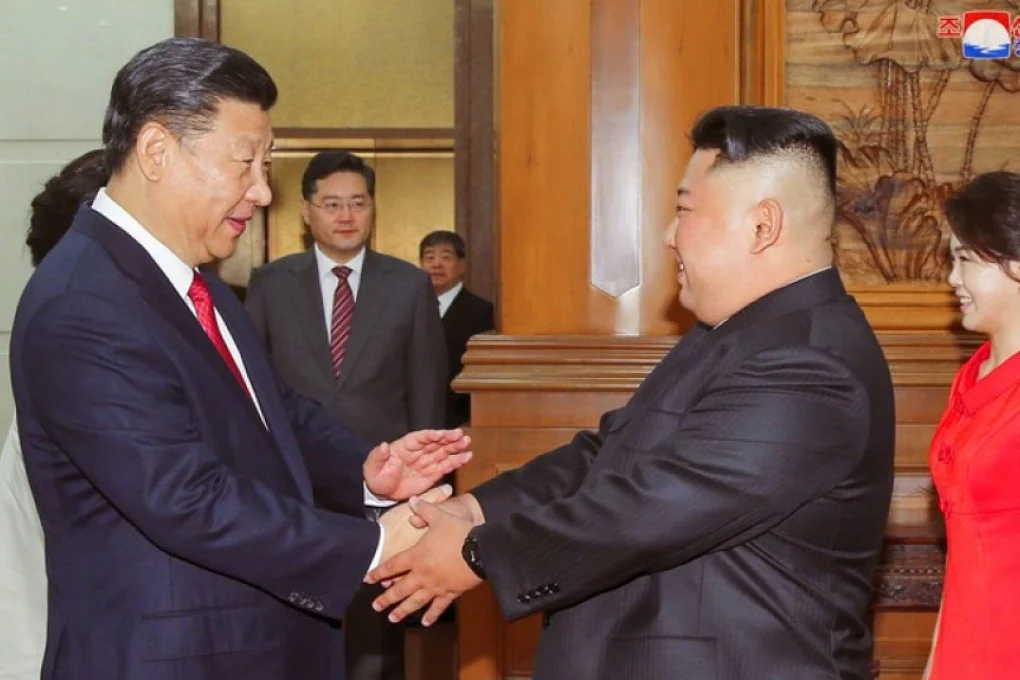
Chinese President Xi Jinping is reportedly preparing for a closely watched visit to North Korea, where he is expected to hold talks with North Korean leader Kim Jong Un in a meeting that could carry significant implications for regional security, diplomatic relations, and the balance of power in East Asia.
The anticipated visit comes at a time of heightened geopolitical uncertainty, growing military competition in the region, and increasing cooperation among countries seeking to strengthen their strategic partnerships. Analysts view the potential summit as a major diplomatic development that could further deepen ties between Beijing and Pyongyang while sending a broader message to neighboring countries and global powers.
A Rare and Symbolically Important Visit
A visit by Xi Jinping to North Korea would be one of the most significant diplomatic engagements between the two countries in recent years. China remains North Korea’s most important political and economic partner, and the relationship between the two nations has long been considered a cornerstone of regional geopolitics.
The summit is expected to highlight the historical friendship between Beijing and Pyongyang while also addressing contemporary challenges, including regional security concerns, economic cooperation, sanctions-related issues, and the evolving strategic environment in Northeast Asia.
Observers note that such high-level meetings often serve both symbolic and practical purposes. Beyond reaffirming political solidarity, they provide leaders with an opportunity to coordinate positions on international issues and strengthen bilateral cooperation.

Strengthening Strategic Cooperation
The expected talks between Xi and Kim are likely to focus on expanding cooperation across multiple sectors. Political analysts believe discussions may include economic collaboration, trade exchanges, infrastructure development, and coordination on regional diplomatic matters.
China has consistently emphasized stability on the Korean Peninsula as a key foreign policy objective. Maintaining a strong relationship with North Korea allows Beijing to preserve influence in the region while helping manage potential security risks that could arise from instability near its borders.
For North Korea, stronger engagement with China offers important diplomatic and economic support at a time when the country continues to face international pressure and sanctions.
Regional Security Likely to Dominate Discussions
Security issues are expected to feature prominently during the summit. The Korean Peninsula remains one of the world’s most heavily militarized regions, and tensions have periodically escalated due to missile tests, military exercises, and strategic competition involving major powers.
Experts suggest that both leaders may discuss recent developments affecting regional stability, including defense policies, military alliances, and broader geopolitical trends in East Asia.
The meeting could also provide an opportunity for China and North Korea to align their positions on issues related to peace and security in the region. While details of the agenda remain limited, analysts expect discussions to reflect shared concerns about the evolving security landscape.
Growing Importance of China-North Korea Relations
In recent years, relations between China and North Korea have gained renewed importance amid shifting global dynamics. As international rivalries intensify, both countries have increasingly emphasized strategic cooperation and mutual support.
China remains North Korea’s largest trading partner and a critical source of economic engagement. The two nations share a lengthy border and maintain longstanding political ties rooted in historical cooperation.
Diplomatic observers believe the summit could further reinforce this relationship by demonstrating continued commitment to close coordination on major regional and international issues. 
International Attention on the Summit
The prospect of a meeting between Xi Jinping and Kim Jong Un is attracting significant international attention. Governments across Asia and beyond are expected to closely monitor the outcomes of the discussions for indications of future policy directions and strategic priorities.
The summit could influence regional diplomatic calculations, particularly among countries involved in security and economic affairs on the Korean Peninsula. Any announcements related to bilateral cooperation, economic initiatives, or security coordination are likely to be scrutinized by policymakers and analysts worldwide.
Potential Implications for East Asia
The expected visit underscores the evolving geopolitical landscape in East Asia, where alliances, partnerships, and strategic competition continue to shape regional affairs.
A successful summit could strengthen China’s role as a key diplomatic actor in regional security discussions while providing North Korea with greater international visibility and support. At the same time, the meeting may prompt renewed debate about the future direction of regional diplomacy and the broader balance of power in Northeast Asia.
As preparations for the visit continue, attention will remain focused on whether the leaders announce new initiatives, agreements, or policy frameworks that could influence regional stability in the years ahead.
Looking Ahead
If the visit proceeds as expected, it will represent a significant moment in China-North Korea relations and a major diplomatic event with implications extending beyond the Korean Peninsula. The discussions between Xi Jinping and Kim Jong Un are likely to be examined closely for insights into the future trajectory of bilateral ties, regional security, and the broader geopolitical environment in East Asia.
With tensions and strategic competition continuing to shape the region, the summit could emerge as one of the most consequential diplomatic engagements of the year, highlighting the enduring importance of the relationship between China and North Korea.