
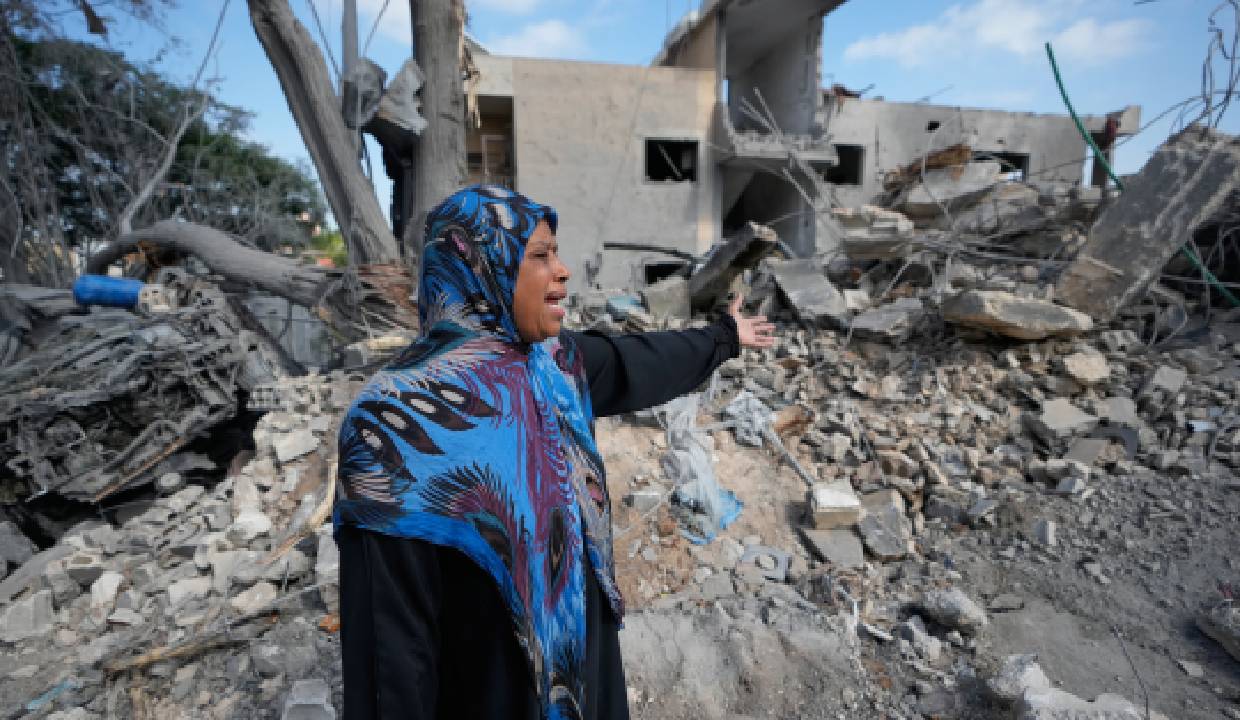
A deadly Israeli airstrike in southern Lebanon has claimed the lives of several Lebanese military personnel, casting a shadow over a recently announced ceasefire and reigniting concerns about stability along one of the Middle East’s most volatile frontiers.
The strike occurred only days after efforts to reduce hostilities between the two sides had raised hopes of a temporary respite from months of escalating violence. The incident has intensified diplomatic concerns and renewed fears that the fragile truce could unravel, potentially dragging the region back into a broader confrontation.
Deadly Strike Targets Southern Lebanon
According to Lebanese authorities, the airstrike hit an area in southern Lebanon where Lebanese army personnel were operating. The attack resulted in multiple casualties among the soldiers and left additional personnel injured.
Emergency responders and military units rushed to the scene following the strike, while security forces secured the surrounding area. Initial reports indicated significant damage at the impact site, highlighting the continued dangers faced by military and civilian personnel in regions close to the border.
The incident has triggered widespread concern within Lebanon, where officials have repeatedly stressed the importance of respecting ceasefire arrangements and preventing further military escalation. 
Ceasefire Comes Under Pressure
The attack occurred shortly after a ceasefire agreement had been announced following a period of heightened cross-border hostilities. The truce was intended to reduce tensions and create conditions for diplomatic engagement aimed at preventing a wider conflict.
However, the latest strike has raised questions about the durability of the ceasefire and the ability of all parties to maintain restraint. Analysts warn that incidents involving military casualties can quickly inflame tensions and provoke retaliatory actions, undermining efforts to restore calm.
The death of Lebanese soldiers is particularly sensitive because the Lebanese Armed Forces are viewed as a national institution responsible for maintaining security and stability across the country.
Lebanese Response and Condemnation
Lebanese officials strongly condemned the strike, describing it as a serious violation that threatens regional peace and security. Political leaders called for an international response and urged relevant global organizations to investigate the circumstances surrounding the attack.
Authorities emphasized that the incident occurred during a period when diplomatic efforts were focused on preserving the ceasefire. The loss of military personnel has sparked renewed debate within Lebanon about border security, military readiness, and the risks posed by ongoing hostilities.
Public reactions across the country reflected growing frustration over repeated episodes of violence despite attempts to establish periods of calm.
Israel’s Security Concerns
Israeli authorities have consistently maintained that military operations in border areas are conducted in response to perceived security threats. Israel has long expressed concerns regarding armed groups operating in southern Lebanon and has frequently carried out military actions aimed at preventing attacks against its territory.
The border region remains a highly sensitive security zone where tensions can escalate rapidly. Over the years, both sides have accused each other of violating agreements designed to maintain stability along the frontier.
The latest incident is expected to further complicate already strained relations and could influence future security calculations on both sides of the border. 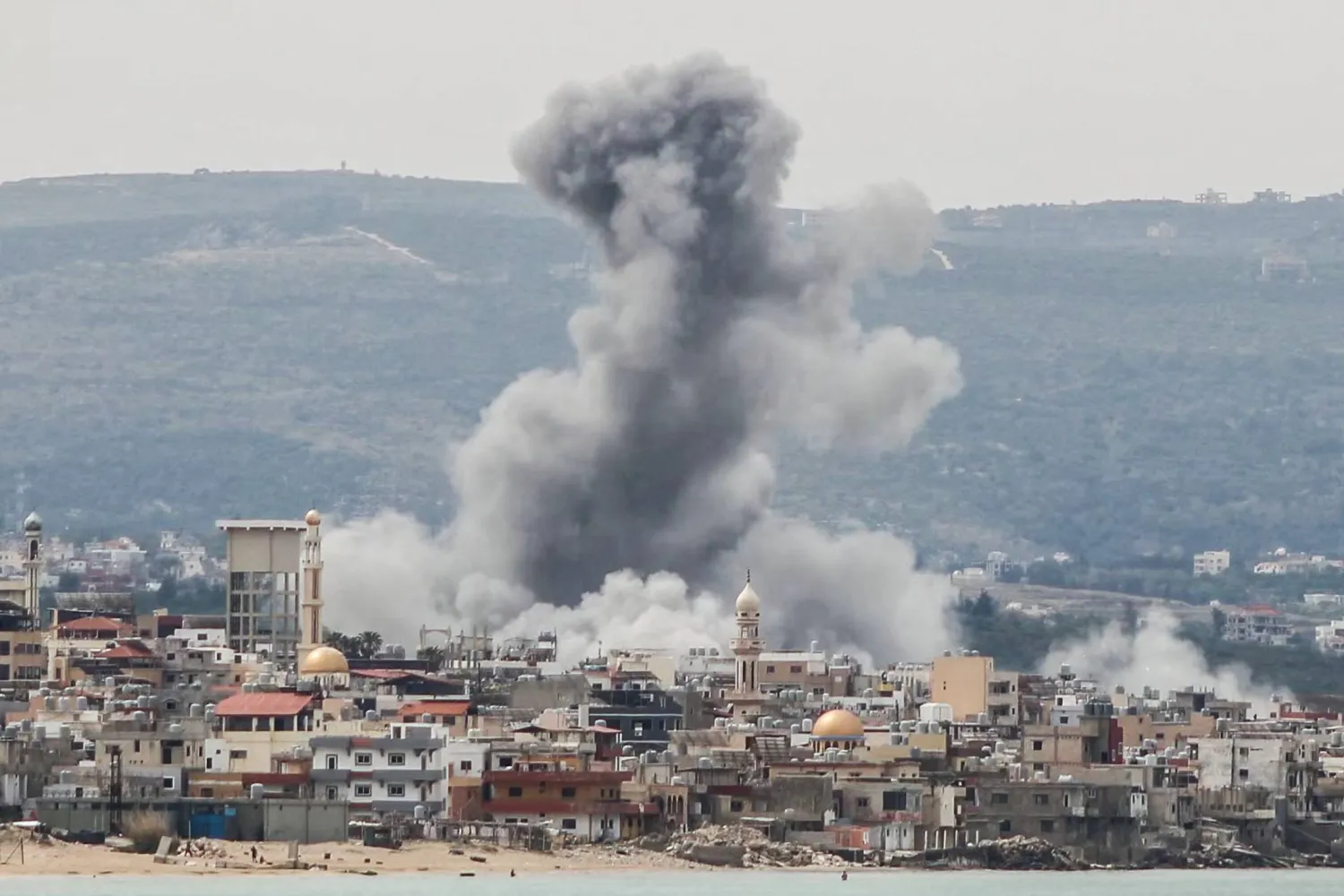
International Community Calls for Restraint
The airstrike has drawn international attention, with diplomatic observers warning that renewed hostilities could destabilize the wider region. Global leaders and international organizations have repeatedly urged all parties to exercise restraint and adhere to ceasefire commitments.
Calls for de-escalation have intensified following the deaths of Lebanese soldiers, as concerns grow that additional military exchanges could trigger a broader crisis involving multiple regional actors.
Diplomatic efforts are likely to focus on preventing further violence, ensuring accountability, and preserving channels of communication that could help avoid a larger conflict.
Regional Implications
The Middle East continues to face significant geopolitical challenges, and developments along the Israel-Lebanon border remain closely watched by governments around the world. Any deterioration in the security situation carries implications for regional stability, humanitarian conditions, and international security interests.
The latest strike serves as a reminder of the fragility of ceasefire arrangements in conflict-prone regions. With tensions once again rising, attention is now focused on whether diplomatic initiatives can prevent another cycle of violence and preserve the possibility of a longer-term political solution.
As investigations and diplomatic discussions continue, the deaths of Lebanese soldiers have become a focal point in an increasingly tense security environment, highlighting the challenges of maintaining peace amid deep-rooted regional disputes.