
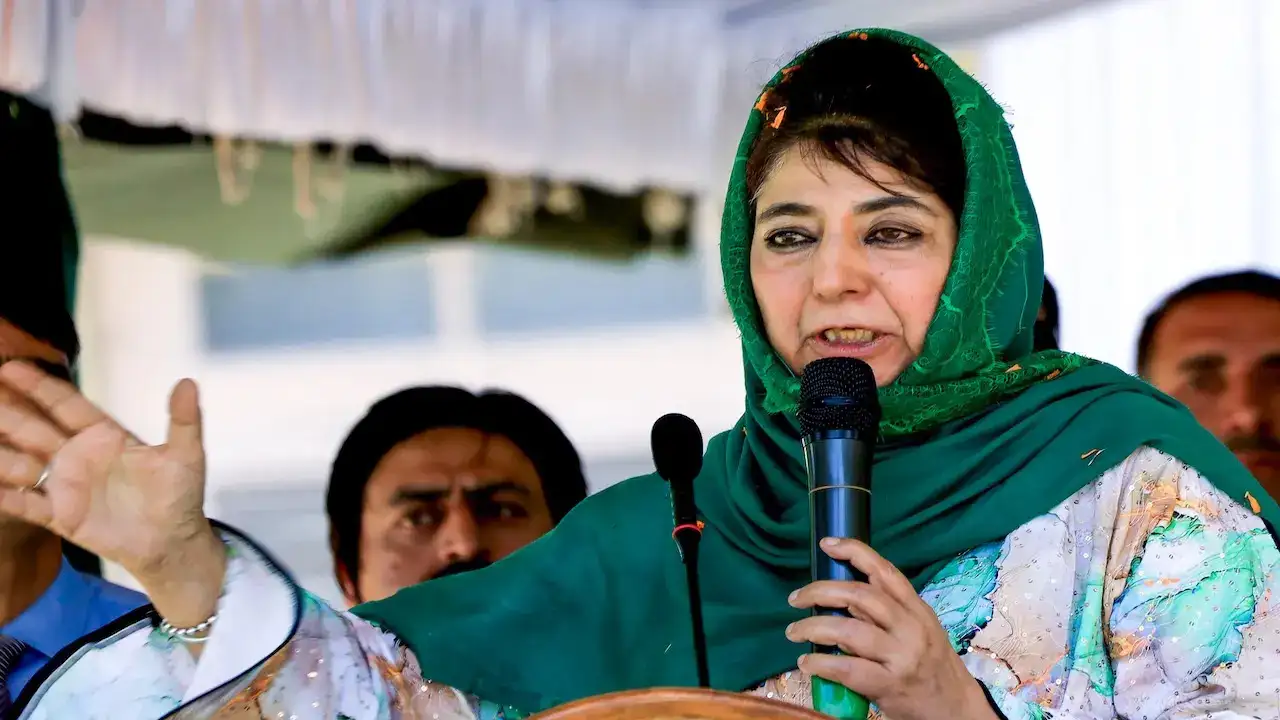
A visit by Peoples Democratic Party (PDP) president and former Jammu and Kashmir Chief Minister Mehbooba Mufti to the proposed site of the All India Institute of Medical Sciences (AIIMS) in Awantipora has ignited a fresh political controversy in the Union Territory. The visit has revived discussions surrounding the long-pending healthcare project, its implementation, regional development priorities, and the political narratives attached to major public infrastructure initiatives in Jammu and Kashmir.
The controversy emerged after Mufti visited the proposed AIIMS site in Awantipora and raised concerns regarding the status of the project. Her remarks drew sharp reactions from political opponents and government supporters, who accused her of attempting to politicize a developmental initiative. The exchange has once again brought the spotlight onto one of the region’s most significant healthcare infrastructure projects.
Concerns Over Progress of the AIIMS Project
During her visit, Mufti reportedly questioned the pace of development and highlighted what she described as the need for transparency regarding the project’s progress. She emphasized the importance of ensuring that promises made to the people of the region are translated into visible outcomes on the ground.
The AIIMS project in Awantipora has long been viewed as a critical healthcare investment for South Kashmir. Once completed, the institution is expected to strengthen tertiary healthcare services, reduce the burden on existing medical facilities, and provide advanced treatment options to residents who often have to travel outside the region for specialized medical care.
Mufti’s observations during the site visit focused on the perceived delays and the need for accountability regarding the implementation timeline. She argued that major public projects should be regularly monitored and that citizens deserve updates on their status. 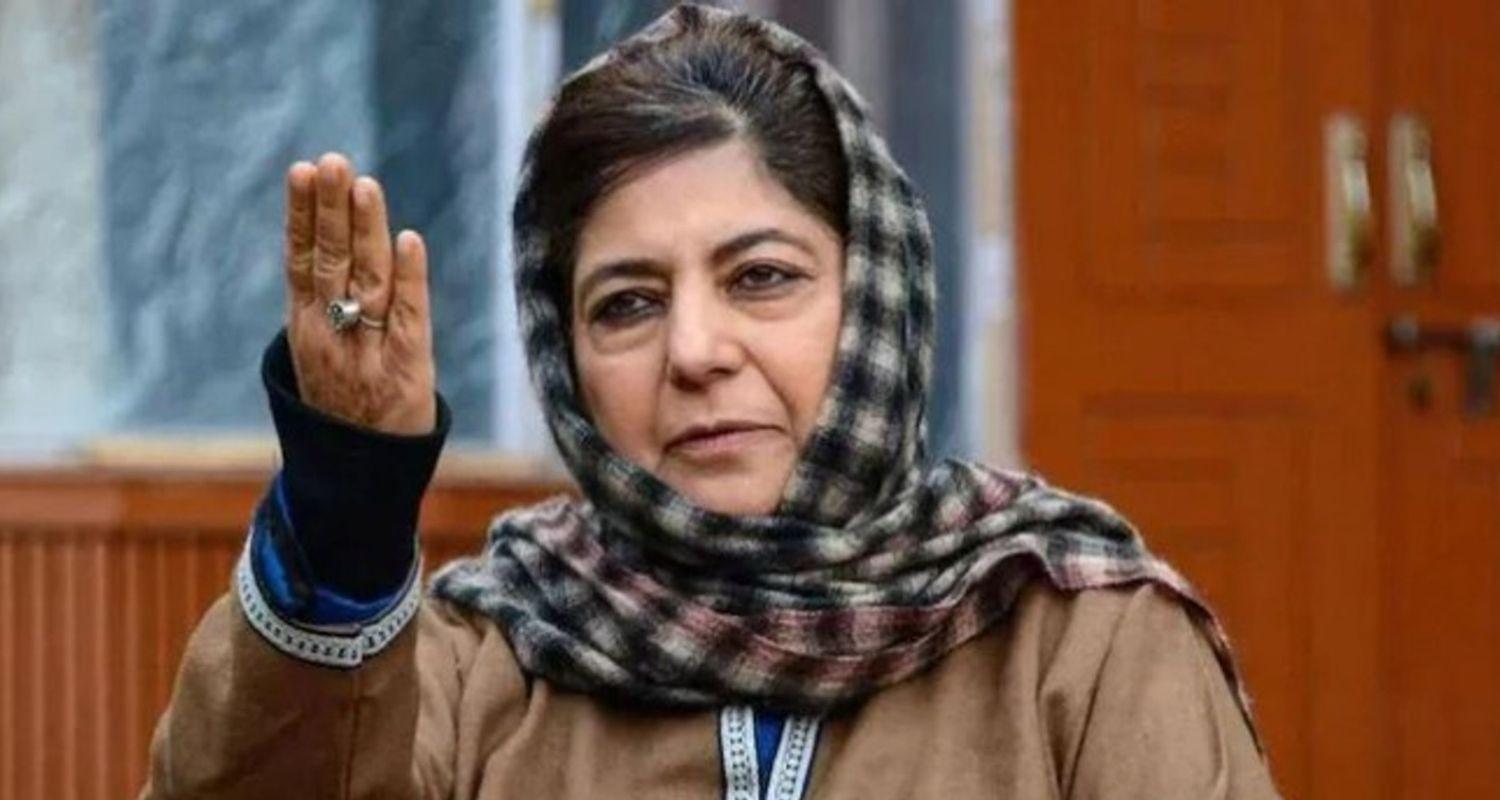
Political Reactions Intensify
The visit quickly became a political flashpoint, with rival parties accusing the PDP leader of attempting to gain political mileage from a development project. Critics argued that the project is progressing under established plans and that allegations regarding delays are politically motivated.
Several political figures defended the government’s handling of the project and asserted that healthcare infrastructure development remains a priority. They maintained that large-scale institutions such as AIIMS require extensive planning, land development, construction, and coordination among multiple agencies, factors that can influence project timelines.
Supporters of Mufti, however, defended her actions, saying elected leaders have a responsibility to inspect public projects and raise concerns whenever implementation appears slower than expected. They argued that public scrutiny is essential to ensuring that key healthcare investments are delivered efficiently.
AIIMS Awantipora: A Project of Strategic Importance
The proposed AIIMS facility at Awantipora is widely regarded as a landmark healthcare project for Jammu and Kashmir. Healthcare experts and local stakeholders have consistently highlighted the need for advanced medical institutions capable of delivering specialized treatment, research opportunities, and medical education.
The project is expected to significantly enhance healthcare accessibility across South Kashmir and neighboring districts. In addition to improving patient care, the institution is anticipated to generate employment opportunities, boost local economic activity, and strengthen the overall healthcare ecosystem in the region.
Residents have long viewed the project as a symbol of development and improved public services. Consequently, any discussion regarding delays, progress, or administrative decisions tends to attract significant public attention. 
Development Projects and Political Narratives
The latest controversy also reflects the broader political environment in Jammu and Kashmir, where major infrastructure and development projects frequently become subjects of political debate. Public investments in healthcare, education, transportation, and civic infrastructure often serve as indicators of governance performance and development priorities.
Political analysts note that high-profile projects such as AIIMS carry both developmental and symbolic significance. As a result, discussions surrounding their implementation often extend beyond construction progress and become part of wider debates about governance, accountability, and regional aspirations.
Mufti’s site visit has therefore become more than a routine inspection, evolving into a broader political conversation about development commitments and the pace at which major public projects are being executed.
Public Expectations Remain High
Despite the political disagreement, there is broad consensus across party lines regarding the importance of establishing a fully functional AIIMS facility in Awantipora. Citizens, healthcare professionals, and community leaders continue to express strong support for the project and hope it will be completed without further delays.
The institution is expected to play a transformative role in healthcare delivery across Jammu and Kashmir by providing world-class medical services, advanced diagnostic facilities, specialized treatment centers, and opportunities for medical education and research.
As political parties continue to exchange accusations and defend their respective positions, public attention remains focused on the actual progress of the project. For residents of the region, the primary concern is the timely completion of a healthcare institution that promises long-term benefits for generations to come.
The controversy surrounding Mehbooba Mufti’s visit has once again underscored the significance of the AIIMS Awantipora project and the high expectations attached to its successful completion. Whether the debate results in greater transparency and faster execution remains to be seen, but the episode has undeniably reignited public interest in one of Jammu and Kashmir’s most important healthcare initiatives.