
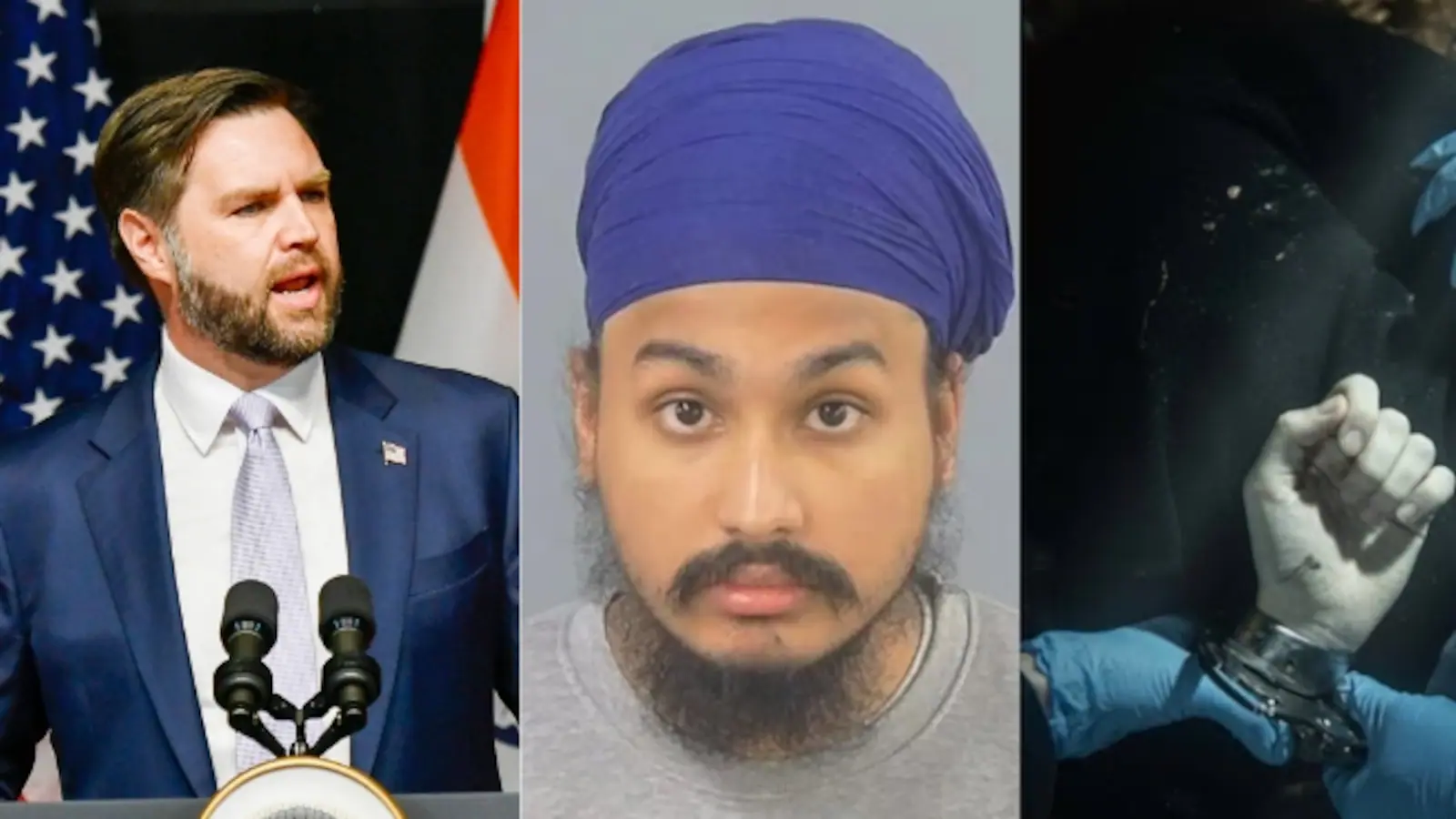
A diplomatic and political dispute has emerged between the United Kingdom and the United States after British Prime Minister Keir Starmer accused US Vice President JD Vance of attempting to influence domestic British politics through remarks surrounding the murder of teenager Henry Nowak.
The controversy erupted after Vance publicly linked the fatal stabbing of the 18-year-old student to broader immigration policies in Europe, arguing that mass migration and political failures had contributed to circumstances that led to the tragedy. His comments triggered a strong response from the British government, which rejected the characterization and warned against efforts by foreign political figures to inflame divisions within the country.
The dispute has intensified ongoing debates about immigration, policing, social cohesion, and the role of international political figures in commenting on domestic affairs abroad.
The Henry Nowak Case That Sparked International Attention
Henry Nowak’s death became one of the most widely discussed criminal cases in Britain after details surrounding the incident and the police response drew public scrutiny.
The teenager was fatally stabbed during an altercation in Southampton. Court proceedings later established that the attacker falsely alleged that Nowak had engaged in racist behavior before carrying out the deadly assault. The case attracted national attention not only because of the murder itself but also because of questions surrounding how law enforcement officers handled the situation.
Footage released after legal proceedings showed police officers restraining Nowak during the incident while he was critically injured. The images prompted widespread criticism and led to calls for accountability, transparency, and a review of police conduct.
The attacker was subsequently convicted and sentenced to a lengthy prison term, but public debate continued over whether authorities had responded appropriately during the crucial moments following the stabbing.

JD Vance Links Tragedy to Migration Policies
The controversy escalated when JD Vance used the case to criticize immigration policies in Britain and Europe.
In public statements, the US Vice President argued that the circumstances surrounding Nowak’s death reflected deeper societal problems linked to migration and what he described as failures by political leaders to protect Western societies. Vance portrayed the case as evidence of broader cultural and political challenges facing Europe.
His comments quickly resonated among conservative political figures and commentators who have long argued that immigration policies have contributed to social tensions across the continent.
Supporters of Vance claimed that the case highlighted concerns about law enforcement, public safety, and what they describe as unequal treatment within public institutions. Critics, however, accused him of exploiting a personal tragedy to advance a political agenda.
Starmer Pushes Back Against Foreign Political Intervention
Prime Minister Keir Starmer responded forcefully to the remarks, emphasizing that Britain’s democratic institutions should not be influenced by external political actors.
Without focusing solely on Vance, Starmer criticized those seeking to use the tragedy as a means of creating division within British society. He argued that moments of national grief should not become opportunities for political exploitation or ideological battles.
The British government stressed that the focus should remain on justice for the victim, accountability for the crime, and lessons that can be learned from the police response.
Officials also pointed to statements from Nowak’s family, who have reportedly urged politicians and commentators to avoid turning their son’s death into a tool for broader political conflicts.

Growing Friction in UK-US Political Relations
The dispute reflects a wider ideological divide that has increasingly emerged between some American conservative leaders and European governments.
In recent years, debates over immigration, free speech, policing, and multiculturalism have become central issues in transatlantic political discussions. Several US conservative figures have openly criticized European governments, arguing that restrictive speech policies and migration strategies have weakened social stability.
British leaders, meanwhile, have defended their democratic institutions and rejected claims that outside governments should dictate how domestic issues are handled.
The disagreement surrounding the Nowak case has therefore evolved beyond a single criminal investigation and become part of a larger conversation about sovereignty, political influence, and the boundaries of international commentary.
Debate Over Policing and Public Trust
Alongside the immigration debate, the case has also reignited scrutiny of police conduct.
Questions remain regarding decisions made by officers during the incident and whether institutional failures contributed to the public outrage that followed. Calls for independent investigations and greater accountability have intensified as more details about the response emerged.
Critics argue that the case exposed weaknesses in decision-making procedures during high-pressure situations. Others believe the tragedy has become entangled in broader political narratives that risk overshadowing the need for objective examination of the facts.
For many observers, the central issue remains ensuring that lessons are learned and public confidence in law enforcement is strengthened.
A Tragedy at the Center of a Political Storm
What began as a criminal case has developed into a major political flashpoint involving senior figures on both sides of the Atlantic. As discussions continue over immigration, policing, and political rhetoric, the Henry Nowak case remains a sensitive and emotionally charged issue.
The British government maintains that the tragedy should not be used to deepen divisions or fuel ideological conflicts. Meanwhile, critics of current policies continue to argue that the case raises important questions about governance and public safety.
With investigations and political debates ongoing, the case is likely to remain at the center of discussions about national identity, public institutions, and the increasingly complex relationship between domestic politics and international commentary.