
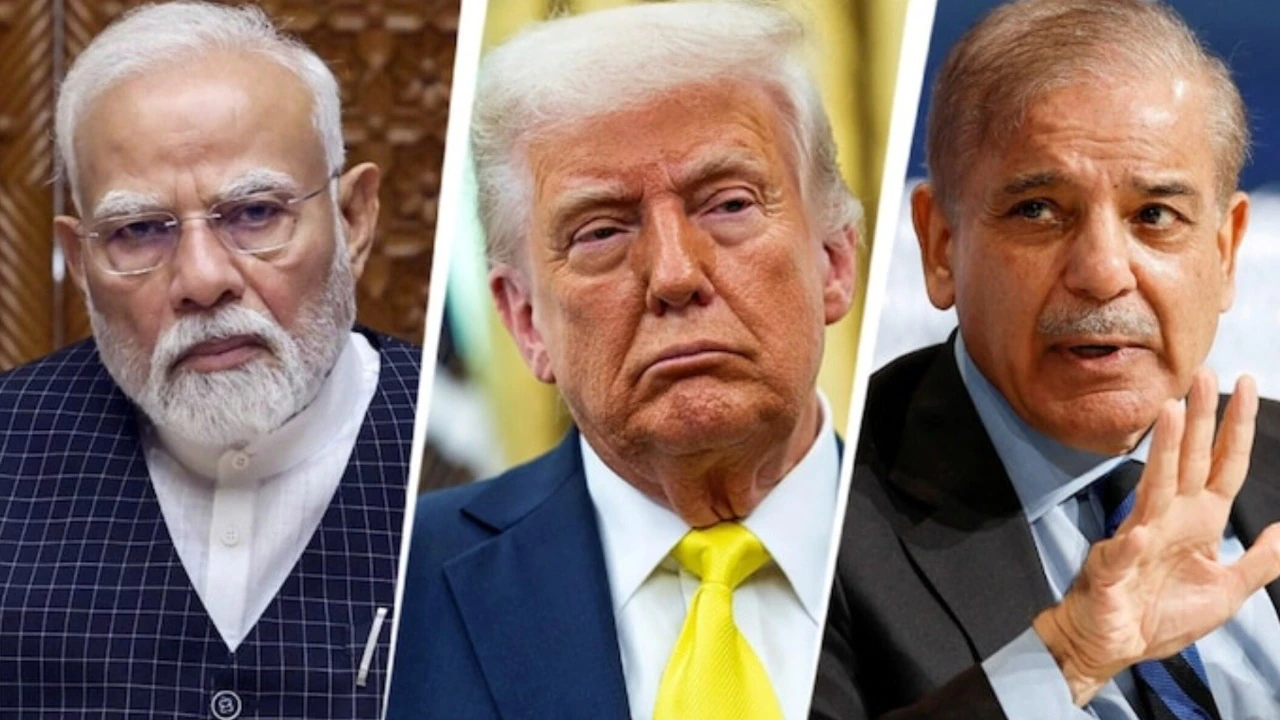
Pakistan Prime Minister Shehbaz Sharif has publicly acknowledged and appreciated former United States President Donald Trump for his reported role in helping de-escalate tensions between India and Pakistan, describing Islamabad as “forever grateful” for efforts that contributed to maintaining peace between the two nuclear-armed neighbors.
The remarks come amid renewed international discussions about diplomatic engagement in South Asia and the importance of preventing military escalation in one of the world’s most sensitive geopolitical regions. Sharif’s statement highlighted Pakistan’s view that external diplomatic intervention played a constructive role in facilitating a ceasefire and reducing the risk of broader conflict.
Sharif Praises Diplomatic Intervention
Addressing the issue, Prime Minister Sharif emphasized the significance of international diplomacy in maintaining regional stability. He credited Donald Trump for supporting efforts aimed at easing tensions and encouraging dialogue during a period when relations between India and Pakistan faced serious strain.
According to Sharif, such diplomatic initiatives helped create conditions that prevented further escalation and opened avenues for peaceful engagement. He noted that Pakistan values any international contribution that promotes stability, reduces hostilities, and supports conflict resolution through dialogue rather than confrontation.
The Pakistani leader’s comments underline Islamabad’s longstanding position that international actors can play a helpful role in encouraging communication and confidence-building measures between rival states. 
Context of India-Pakistan Tensions
Relations between India and Pakistan have remained complex for decades, shaped by territorial disputes, security concerns, cross-border tensions, and differing political positions on key regional issues. Periodic military confrontations and diplomatic stand-offs have often raised concerns within the international community due to the strategic importance of both countries.
Ceasefire agreements along the Line of Control and other mechanisms aimed at reducing hostilities have been considered essential tools for maintaining peace. Such arrangements are often supported by diplomatic efforts from regional and global stakeholders seeking to prevent escalation.
Analysts note that any reduction in tensions between the two countries carries significant implications not only for South Asia but also for broader international security and economic stability.
Trump’s Role in Regional Diplomacy
Donald Trump has, on several occasions, expressed interest in facilitating dialogue between India and Pakistan during and after his tenure in office. His administration frequently emphasized conflict prevention and diplomatic engagement in areas experiencing geopolitical tensions.
Sharif’s comments suggest that Pakistan views Trump’s involvement as an important factor in efforts to maintain calm during periods of heightened tension. The acknowledgment also reflects Islamabad’s willingness to recognize international figures who, in its assessment, contribute to peace-building initiatives.
Observers say the statement could also be interpreted as a diplomatic gesture aimed at strengthening ties with influential political figures in the United States while reinforcing Pakistan’s support for negotiated solutions to regional disputes. 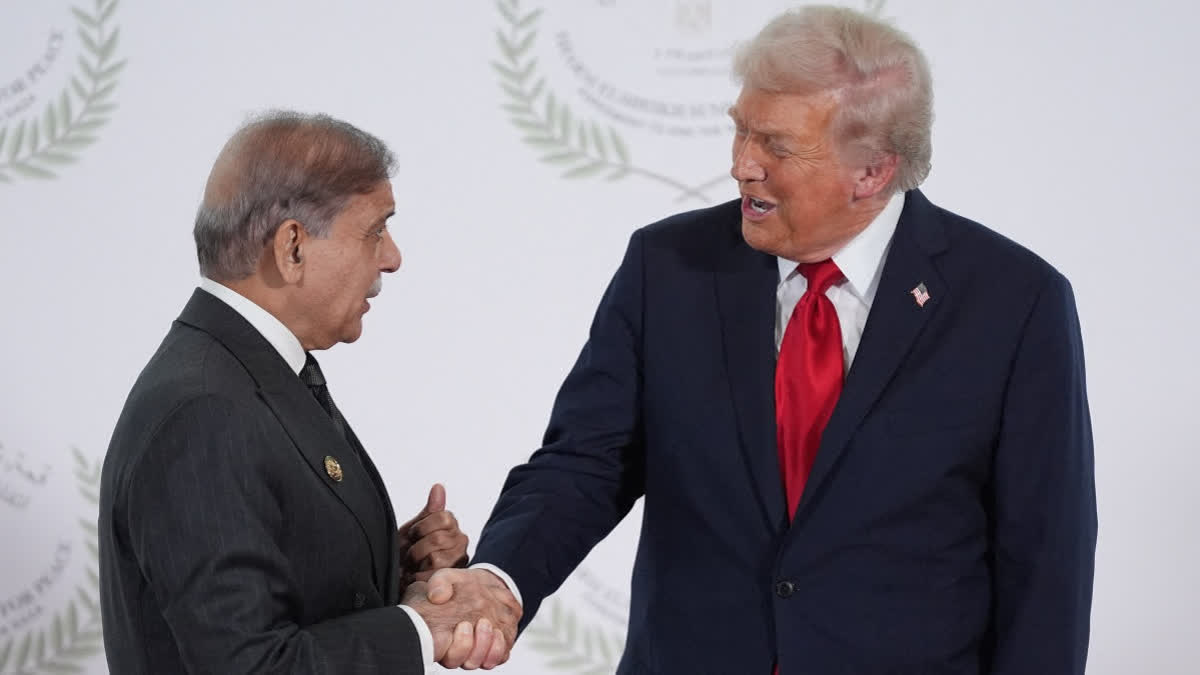
Regional Stability Remains a Priority
The Prime Minister stressed that peace and stability remain critical objectives for Pakistan and the wider South Asian region. He reiterated that sustainable security can only be achieved through dialogue, mutual respect, and diplomatic engagement among all stakeholders.
Regional experts argue that maintaining communication channels and honoring ceasefire commitments are essential steps toward reducing mistrust and preventing future crises. They also point out that international support can complement, but not replace, direct engagement between neighboring countries.
As geopolitical challenges continue to evolve, calls for restraint, diplomacy, and confidence-building measures remain central to efforts aimed at ensuring long-term peace in South Asia.
International Reactions and Future Outlook
Sharif’s remarks have drawn attention from diplomatic circles, where discussions continue regarding the role of global powers in facilitating peace initiatives. While differing interpretations remain regarding the extent of external involvement in regional matters, there is broad agreement that avoiding military escalation serves the interests of all parties involved.
Moving forward, the focus is expected to remain on preserving stability, strengthening diplomatic channels, and encouraging constructive engagement between India and Pakistan. Policymakers and international observers alike continue to emphasize that lasting peace will depend on sustained dialogue and a commitment to resolving differences through peaceful means.
The latest comments from Pakistan’s leadership underscore the enduring importance of diplomacy in managing regional tensions and highlight Islamabad’s appreciation for efforts it believes have contributed to maintaining peace in South Asia.