
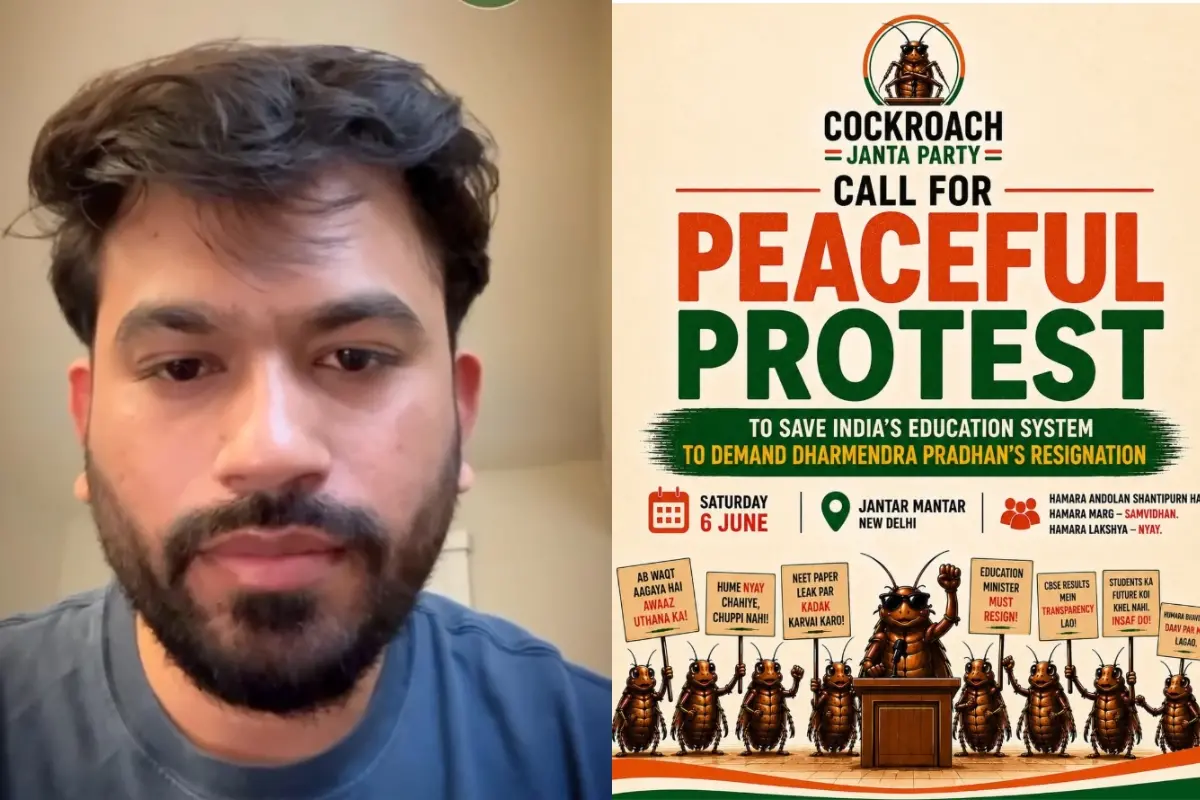
A family in Maharashtra has reportedly relocated from its neighborhood after experiencing mounting social pressure and concerns over personal safety linked to the political activities of a family member. The incident has drawn attention to the challenges faced by individuals who engage in unconventional political activism and seek to challenge established political narratives.
The controversy centers on a political initiative launched by a local activist who sought to highlight public grievances through an unusual campaign platform. What initially began as an attempt to attract attention to civic and governance issues gradually evolved into a movement that generated widespread public discussion, media interest, and polarized reactions within the local community.
According to accounts from those familiar with the situation, the activist’s growing visibility and outspoken criticism of prevailing political practices led to increasing tensions with some residents. Family members reportedly began experiencing discomfort as public scrutiny intensified, prompting concerns about their well-being and day-to-day security.
Over time, the pressure allegedly extended beyond political debate and entered the family’s personal sphere. Neighbors and local residents were said to have expressed differing views about the activist’s methods and messaging. While some supported the effort as a creative attempt to encourage political accountability, others viewed the campaign as controversial and disruptive.
As tensions escalated, the family reportedly decided to move to a different location. The relocation was described as a precautionary measure aimed at ensuring peace of mind and reducing the stress associated with the ongoing attention surrounding the activist’s political activities.
The episode has reignited discussions about the environment for grassroots political participation in India. Political observers note that democracy depends on the ability of citizens to express opinions, organize movements, and challenge prevailing systems without fear of social isolation or intimidation. At the same time, they acknowledge that unconventional campaigns often generate strong reactions, particularly when they attract significant public attention. 
Experts on civic engagement suggest that local political activism frequently places individuals and their families under intense scrutiny. The rise of social media and continuous public discussion can amplify both support and criticism, creating circumstances that affect not only activists themselves but also those close to them.
Supporters of the activist argue that alternative political movements play an important role in encouraging public debate and highlighting issues that may otherwise receive limited attention. Critics, however, contend that unconventional methods can sometimes create friction within communities and provoke resistance from those who disagree with the movement’s objectives or style.
The reported relocation of the family underscores the personal costs that can accompany public activism. Beyond political disagreements, the incident highlights the broader impact that public campaigns can have on family life, community relationships, and perceptions of personal security.
As discussions continue, the case serves as a reminder of the complex relationship between political expression, community response, and individual well-being. It also raises important questions about how societies can balance vigorous political debate with respect for personal safety and social harmony.
The developments have attracted attention across Maharashtra and beyond, with many observers viewing the situation as an example of the challenges faced by citizens who choose to participate actively in public and political discourse. Whether seen as a cautionary tale or an illustration of democratic engagement, the episode has sparked a broader conversation about the responsibilities and risks associated with political activism in contemporary India.