
The Punjab government is facing growing pressure from farmers’ organisations and opposition leaders to reduce diesel prices in the state, as concerns over rising agricultural input costs intensify ahead of the crucial paddy sowing season. Farmer unions have urged the ruling administration to provide immediate relief, arguing that expensive diesel is significantly increasing cultivation expenses for farmers already struggling with debt, fluctuating crop prices, and high operational costs.
The demand has gained momentum across rural Punjab, where diesel plays a vital role in agricultural activities such as operating tractors, irrigation pumps, harvesters, and transportation vehicles. With agriculture remaining the backbone of Punjab’s economy, farmers say the continued rise in fuel expenses is directly affecting their profitability and financial stability.
According to farmer representatives, neighbouring states are offering comparatively lower diesel prices due to reduced value-added tax (VAT) rates and state-level tax adjustments. They claim this pricing disparity is putting Punjab’s farmers at a disadvantage, especially during the intensive cultivation period when fuel consumption rises sharply.
Several farmer bodies have warned that if the government fails to address the issue promptly, protests and demonstrations could escalate in the coming weeks. Union leaders have stated that reducing diesel prices would not only support farmers but also help control broader inflationary pressures impacting transportation and essential commodities. 
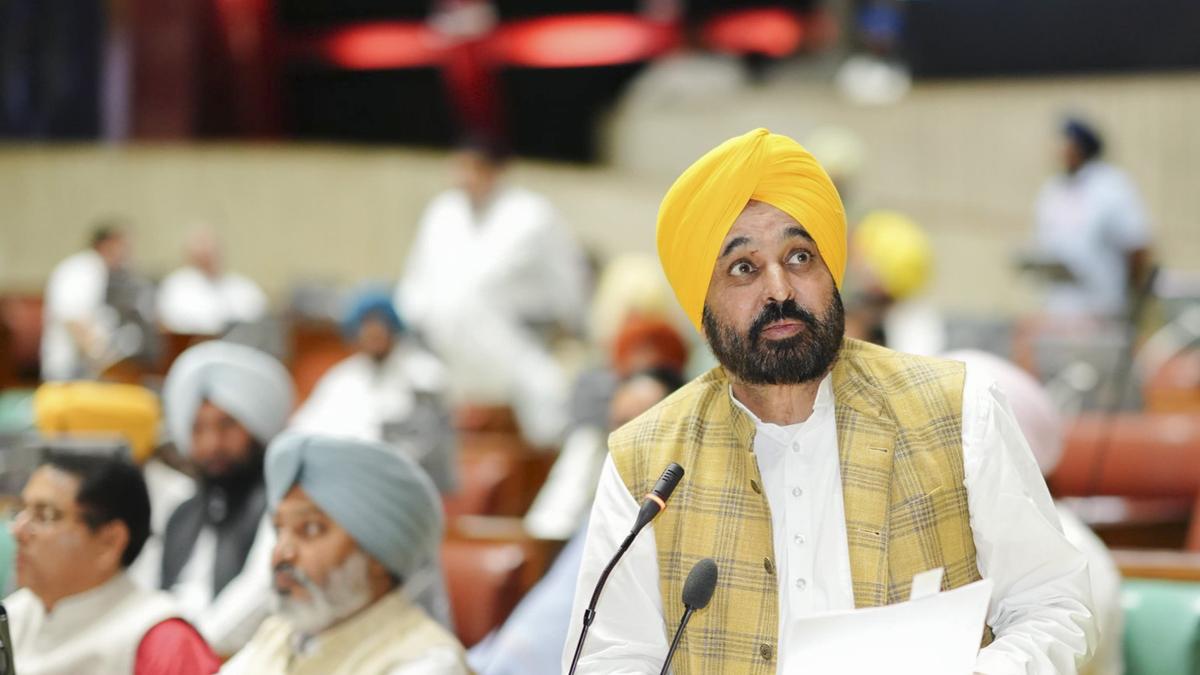
Political pressure on the state government has also increased, with opposition parties accusing the administration of ignoring the hardships faced by the agricultural community. Critics argue that despite repeatedly positioning itself as farmer-friendly, the government has yet to introduce substantial relief measures to offset rising farming costs.
Government officials, however, have indicated that any decision regarding diesel price reduction must consider the state’s financial condition and revenue implications. Fuel taxation remains an important source of income for state governments, contributing significantly to public welfare schemes and infrastructure spending. Officials have suggested that balancing fiscal responsibilities with public demand remains a challenging task.
Economists and agricultural experts note that diesel pricing has become a sensitive issue in Punjab due to the state’s heavy dependence on mechanised farming. They point out that higher fuel costs increase the overall cost of production, potentially reducing farmer earnings and affecting agricultural competitiveness.
The issue has emerged at a politically sensitive time, with farmer concerns continuing to influence public discourse across Punjab. Many rural communities expect the government to introduce immediate relief measures before the start of large-scale sowing operations. Analysts believe the administration’s response could have a broader political impact, especially in agrarian regions where farming issues dominate electoral discussions.
Farmer organisations have also called for long-term policy reforms, including subsidies on agricultural fuel, improved electricity infrastructure for irrigation, and greater support for sustainable farming practices. They argue that temporary relief measures alone will not solve the deeper economic challenges confronting Punjab’s farming sector.
As discussions continue between farmer groups and government representatives, all eyes remain on whether the state administration will announce a reduction in diesel prices or propose alternative financial assistance to ease the burden on farmers.