
China has expressed support for Pakistan’s efforts to mediate between the United States and Iran amid rising geopolitical tensions in the Middle East, signaling Beijing’s growing interest in promoting diplomatic engagement and regional stability.
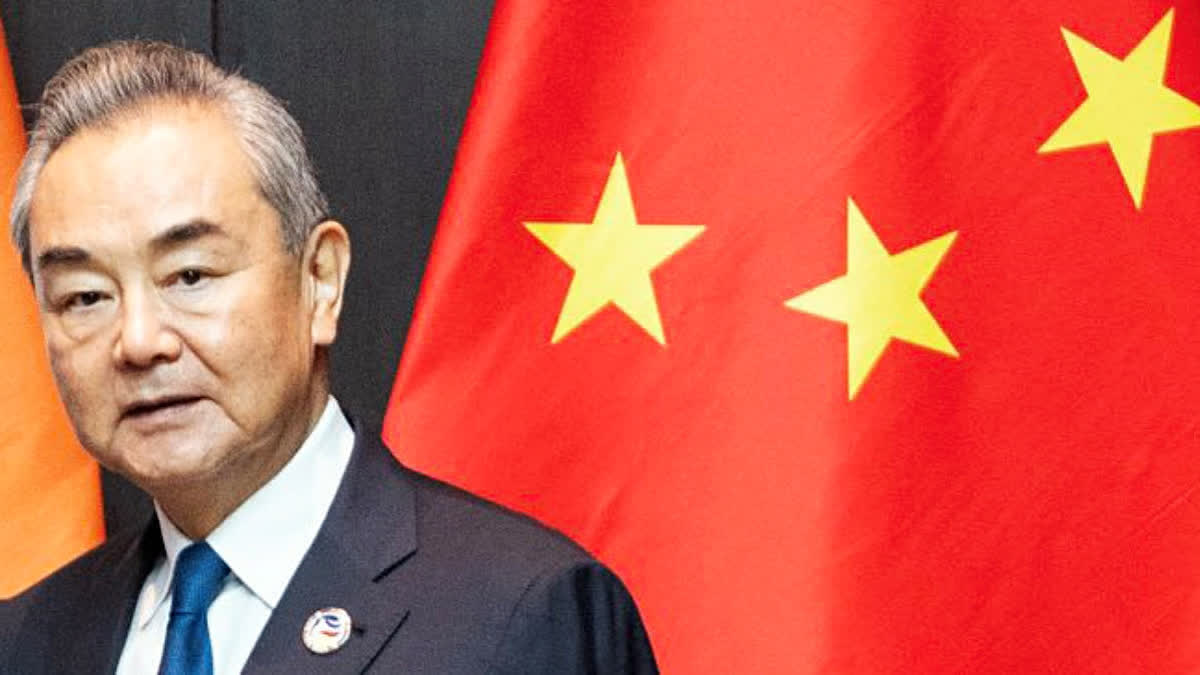
Chinese Foreign Minister Wang Yi stated that Beijing welcomes “active mediation” by Pakistan aimed at reducing hostility and encouraging constructive dialogue between United States and Iran. His remarks came during high-level diplomatic interactions focused on the deteriorating security environment in the region.
According to diplomatic sources, China believes that regional disputes should be addressed through political dialogue rather than military escalation. Beijing reiterated its longstanding position that peaceful negotiations and multilateral cooperation remain the most effective ways to prevent instability in West Asia.
The comments from Wang Yi highlight China’s increasing diplomatic engagement in Middle Eastern affairs, particularly at a time when tensions involving Iran and the United States continue to raise concerns across the international community. Beijing has repeatedly emphasized the importance of restraint by all parties and warned against actions that could further destabilize the region.
Pakistan, which maintains strategic and diplomatic relations with both Iran and the United States, has recently positioned itself as a potential intermediary capable of facilitating communication between the two sides. Islamabad’s outreach efforts are being closely watched by regional and global powers seeking to avoid a broader conflict. 
Chinese officials praised Pakistan’s role in promoting dialogue and regional peace, noting that mediation efforts by neighboring countries can contribute significantly to reducing misunderstandings and preventing escalation. Beijing also underscored the need for all stakeholders to prioritize diplomacy over confrontation.
The latest developments come amid heightened concerns surrounding security issues in the Middle East, including disputes over regional influence, nuclear negotiations, and military activity involving Iran and Western allies. International observers fear that continued tensions could have far-reaching consequences for global energy markets, trade routes, and regional security.
China has increasingly sought to present itself as a stabilizing force in international diplomacy. In recent years, Beijing has expanded its political and economic influence across the Middle East through infrastructure investments, trade partnerships, and diplomatic initiatives. Analysts believe China’s endorsement of Pakistan’s mediation reflects its broader strategy of encouraging negotiated settlements to major geopolitical disputes.
Meanwhile, Pakistan’s diplomatic balancing act remains complex. While Islamabad shares close economic and defense ties with China, it also maintains relations with Washington and neighboring Tehran. Pakistani leadership has consistently advocated for peaceful resolution of disputes and regional cooperation to avoid armed confrontation.
Experts say China’s public support for Pakistan’s mediation initiative could strengthen Islamabad’s international standing as a diplomatic bridge between rival powers. However, they also caution that achieving meaningful progress between the United States and Iran will require sustained political will, trust-building measures, and broader international cooperation.
As tensions continue to simmer, global attention remains focused on whether diplomatic channels can prevent further escalation. China’s endorsement of mediation efforts underscores the growing role of Asian powers in shaping international conflict resolution and influencing strategic developments in the Middle East.