
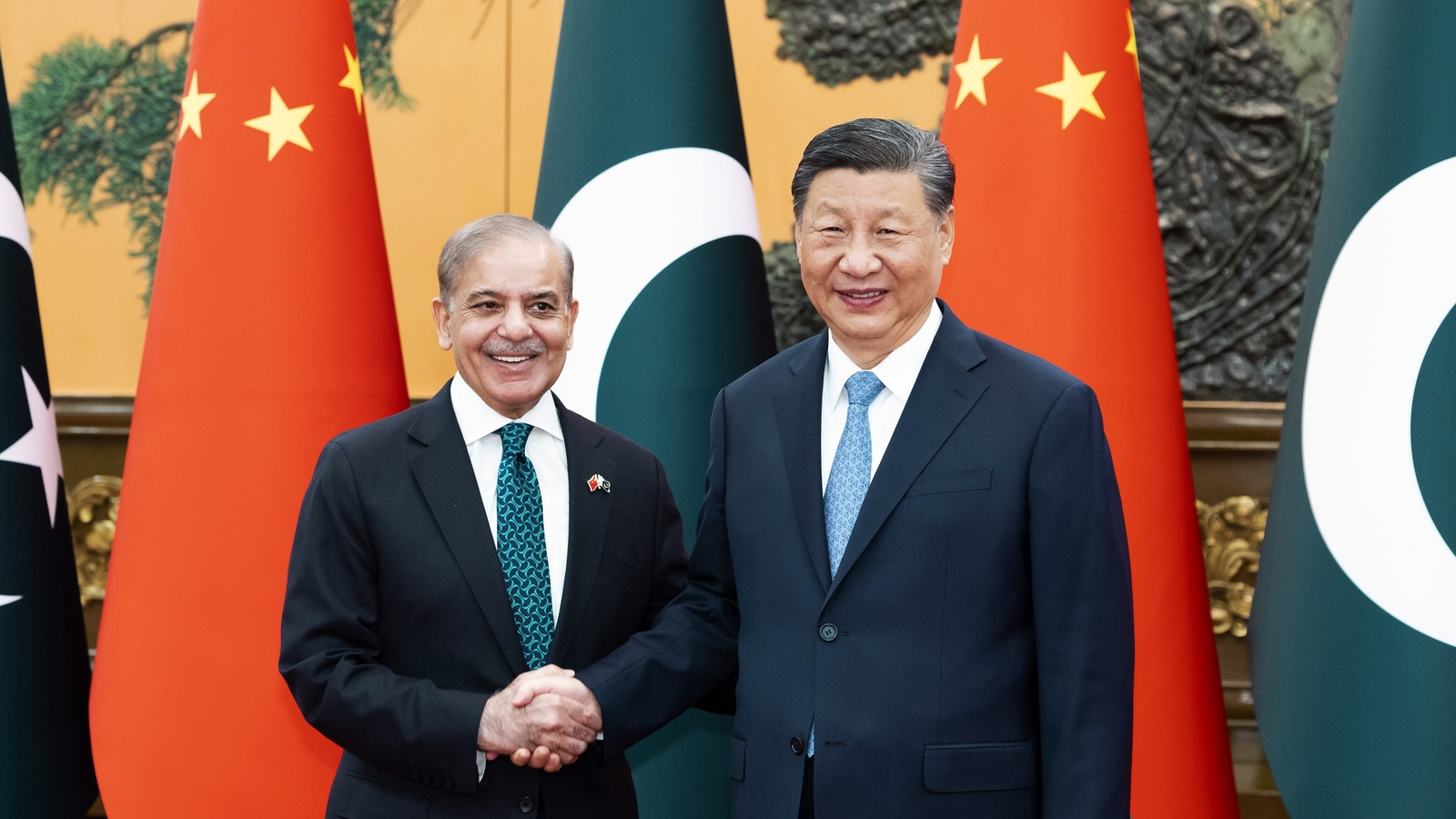
China and Pakistan have renewed their commitment to revitalising the China-Pakistan Economic Corridor (CPEC) and accelerating the development of Gwadar Port, signalling a fresh push to strengthen regional trade connectivity and deepen strategic cooperation between the two countries.
The renewed focus on CPEC comes at a crucial time as both Beijing and Islamabad seek to address operational challenges, improve infrastructure efficiency, and attract greater investment into the multi-billion-dollar corridor project. Officials from both nations have emphasised the importance of transforming Gwadar into a major regional trade and logistics hub capable of linking South Asia, Central Asia, and the Middle East.
Strategic Importance of CPEC
The China-Pakistan Economic Corridor remains one of the most ambitious infrastructure and connectivity projects in the region. Launched as a flagship component of China’s Belt and Road Initiative (BRI), CPEC was designed to establish a vast network of highways, rail links, energy projects, and industrial zones connecting China’s Xinjiang region with Pakistan’s Arabian Sea coastline.
Gwadar Port occupies a central position in this initiative due to its strategic location near major global maritime trade routes. Analysts believe the port has the potential to significantly reduce transportation costs and travel time for Chinese trade shipments while simultaneously enhancing Pakistan’s role in regional commerce.
Officials involved in recent discussions stressed that modernising transport networks, streamlining logistics systems, and improving port facilities are now key priorities. The goal is to make CPEC more commercially viable and attractive to investors amid shifting global economic conditions. 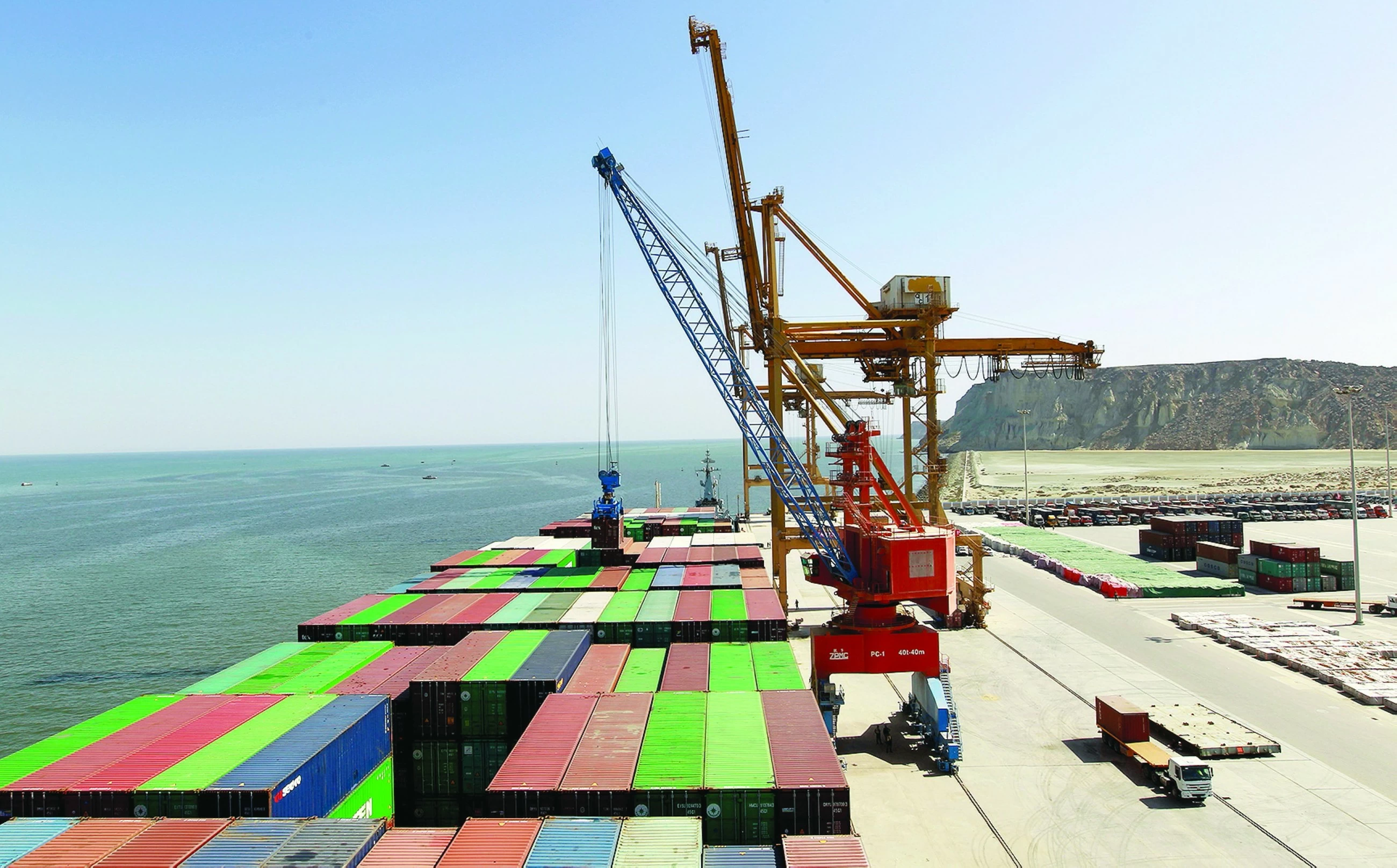
Renewed Focus on Infrastructure and Industrial Growth
Pakistan has increasingly sought greater Chinese investment to revive economic momentum and improve industrial productivity. Authorities are particularly focused on expanding special economic zones under CPEC to generate employment opportunities and attract manufacturing industries.
Chinese representatives have reiterated their support for Pakistan’s economic development plans and highlighted the importance of ensuring timely completion of pending projects. Both countries are reportedly working to improve coordination mechanisms, remove bureaucratic bottlenecks, and strengthen security arrangements around major infrastructure sites.
The proposed revamp is expected to include upgrades to road connectivity, energy transmission systems, digital infrastructure, and port-related logistics. Observers say these improvements could help Gwadar emerge as a competitive maritime gateway in the region.
Gwadar Port Seen as Regional Trade Hub
Gwadar Port has long been viewed as a cornerstone of Pakistan’s long-term economic ambitions. Authorities believe the port can serve as a major transit point for regional trade by connecting landlocked Central Asian countries to international shipping routes.
Efforts are also underway to improve urban infrastructure in Gwadar, including water supply, electricity availability, housing, and transportation services. Policymakers argue that sustainable urban development around the port is essential to ensuring long-term economic success and public support for the project.
Trade experts note that the success of Gwadar depends not only on infrastructure investment but also on political stability, efficient governance, and consistent economic policies. Security concerns in parts of Balochistan have previously slowed project implementation, prompting both countries to prioritise enhanced protection measures for workers and strategic assets.
Geopolitical and Economic Implications
The renewed emphasis on CPEC carries broader geopolitical significance as China expands its influence through infrastructure diplomacy across Asia and beyond. Pakistan, meanwhile, views the corridor as a vital instrument for economic recovery and regional integration.
Regional observers believe the modernisation effort could reshape trade dynamics in South Asia if successfully implemented. Improved connectivity through Gwadar may strengthen Pakistan’s position in global supply chains while providing China with expanded access to international markets.
At the same time, the project continues to attract international scrutiny due to concerns surrounding debt sustainability, regional competition, and strategic influence in the Indian Ocean region. Despite these concerns, both Beijing and Islamabad maintain that CPEC is focused on economic cooperation and shared development.
Future Outlook
As China and Pakistan move forward with plans to overhaul key components of CPEC, attention will remain focused on implementation timelines, investment flows, and the effectiveness of governance reforms. The next phase of development is expected to prioritise industrialisation, technological cooperation, and trade facilitation measures aimed at delivering tangible economic benefits.
If the planned upgrades are executed successfully, Gwadar Port and the broader economic corridor could play a transformative role in regional trade and infrastructure integration over the coming decade.