
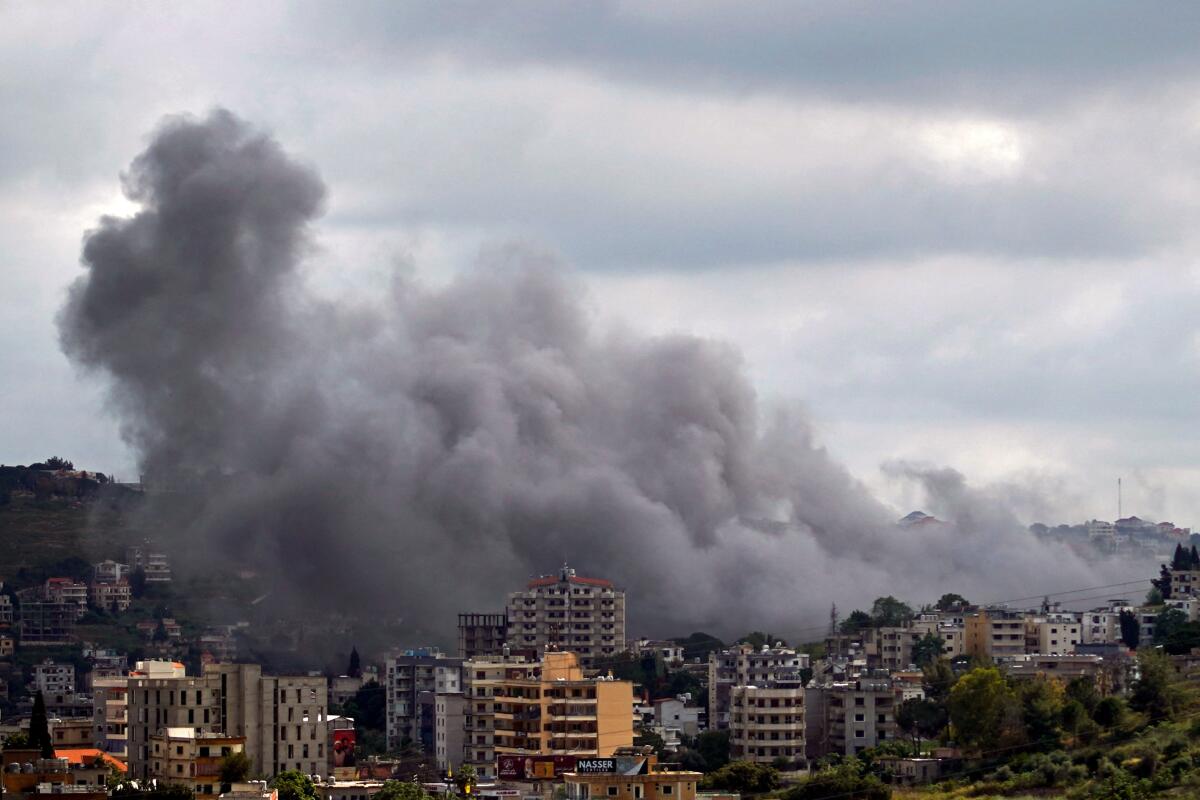
Fresh violence erupted along the Israel-Lebanon border after a series of Israeli airstrikes struck multiple locations in southern Lebanon, killing at least 10 people, including paramedics and a child. The attacks marked one of the deadliest escalations in recent weeks, further intensifying fears of a broader regional conflict in the Middle East.
According to local officials and emergency response teams, the strikes targeted areas near residential neighborhoods and emergency response points in southern Lebanese towns. Several victims were reportedly members of medical rescue units who were attempting to assist civilians caught in earlier bombardments when additional strikes occurred.
Witnesses described scenes of devastation as rescue workers searched through damaged buildings and debris for survivors. Ambulances and emergency vehicles were reportedly damaged during the strikes, complicating rescue operations and delaying medical assistance to the injured.
Lebanese authorities stated that among the dead were multiple paramedics engaged in humanitarian duties and a young child who was inside a residential area when the attack took place. Several others sustained injuries, with some reported to be in critical condition. Hospitals in the region were placed on emergency alert as casualties continued to arrive through the day. 
The Israeli military said its operations were aimed at militant infrastructure and armed positions in southern Lebanon. Officials claimed the strikes were conducted in response to ongoing cross-border threats and rocket activity allegedly linked to armed groups operating near the frontier. However, the mounting civilian toll has triggered renewed international concern over the humanitarian impact of continued military escalation.
The border region between Israel and Lebanon has witnessed repeated exchanges of fire over recent months, raising fears that the conflict could widen beyond localized clashes. Residents living in villages near the frontier have faced frequent evacuations, while humanitarian organizations have warned of worsening conditions for civilians trapped in conflict zones.
Security analysts believe the latest strikes could further inflame tensions between Israel and armed factions operating in Lebanon, particularly amid ongoing instability across the wider Middle East. Diplomatic efforts by international mediators to reduce hostilities have so far failed to produce a lasting ceasefire.
Global leaders and humanitarian agencies have increasingly called for restraint from all sides, urging protection for civilians and medical personnel under international humanitarian law. Rights organizations have also stressed the need for independent investigations into incidents involving civilian deaths and attacks on emergency responders.
The latest violence comes at a time when the region remains highly volatile due to overlapping security crises and geopolitical rivalries. Observers warn that continued escalation along the Israel-Lebanon border could risk drawing additional actors into the conflict, further destabilizing the region.
As rescue operations continued late into the day, grieving families gathered outside hospitals and damaged neighborhoods, mourning the victims while bracing for the possibility of further strikes. The situation remains tense, with fears growing that retaliatory attacks or renewed military operations could trigger another dangerous cycle of violence in the days ahead.