
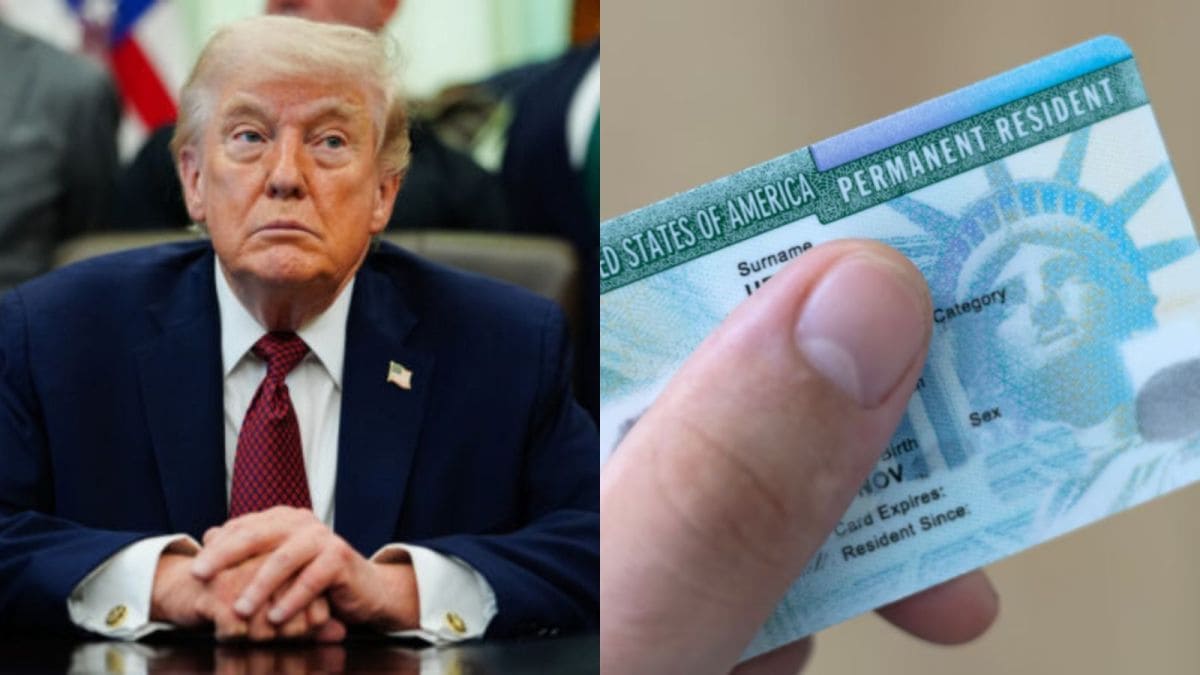
A significant tightening of employment-based immigration procedures in the United States is creating growing anxiety among foreign workers, particularly Indian professionals employed under the H-1B visa system. Recent administrative changes and stricter scrutiny surrounding adjustment-of-status applications have reportedly reduced the number of green cards being approved from within the country, affecting thousands of highly skilled immigrants waiting for permanent residency.
The shift reflects a broader immigration policy direction emphasizing enhanced vetting, procedural restrictions, and tighter oversight of legal immigration pathways. Immigration attorneys and policy experts say Indian nationals, who form the largest group of H-1B visa holders in the US technology and engineering sectors, are likely to experience the greatest impact due to already extensive green card backlogs.
Increased Scrutiny on Adjustment-of-Status Applications
Adjustment of status allows eligible immigrants already residing in the United States to transition from temporary visas to lawful permanent resident status without leaving the country. For years, this route has been widely used by employment-based immigrants, including technology professionals, engineers, healthcare workers, and researchers.
However, recent administrative measures have reportedly introduced heightened examination standards, additional documentation requirements, and longer review timelines for applicants seeking green cards through employment sponsorship.
Immigration specialists indicate that adjudication officers are now conducting more intensive reviews of work histories, employer records, wage structures, and visa compliance. In several cases, applicants have received additional requests for evidence, prolonging the approval process and creating uncertainty for families dependent on employment-based immigration. 
Indian Professionals Among the Worst Affected
Indian nationals are expected to bear the brunt of these changes because they dominate the employment-based visa pipeline, particularly in the technology industry. A large percentage of H-1B visas issued annually go to Indian professionals working in software development, artificial intelligence, finance, healthcare technology, and engineering.
Due to country-specific annual green card caps, Indian applicants already face waiting periods stretching into decades under certain employment categories. Immigration advocates warn that any slowdown in adjustment approvals could deepen these delays even further.
Many Indian workers remain tied to employer sponsorship for years while awaiting permanent residency. Delays in green card processing can affect career mobility, family stability, home ownership decisions, and long-term financial planning.
Experts say uncertainty surrounding permanent residency also impacts spouses and children dependent on visa holders. Children approaching adulthood may lose dependent visa eligibility before families receive green cards, creating additional stress for immigrant households.
Technology Industry Watching Developments Closely
The American technology sector is closely monitoring immigration policy changes because skilled foreign workers play a central role in software engineering, cloud computing, cybersecurity, semiconductor development, and advanced research.
Several large corporations depend heavily on global talent recruitment through the H-1B visa system. Industry analysts believe stricter green card processing could complicate workforce retention strategies, especially as competition for skilled professionals intensifies worldwide.
Business groups have historically argued that employment-based immigration strengthens innovation, supports economic growth, and helps address talent shortages in specialized industries. Critics of restrictive immigration measures warn that prolonged uncertainty may encourage skilled workers to explore opportunities in countries with more predictable residency systems. 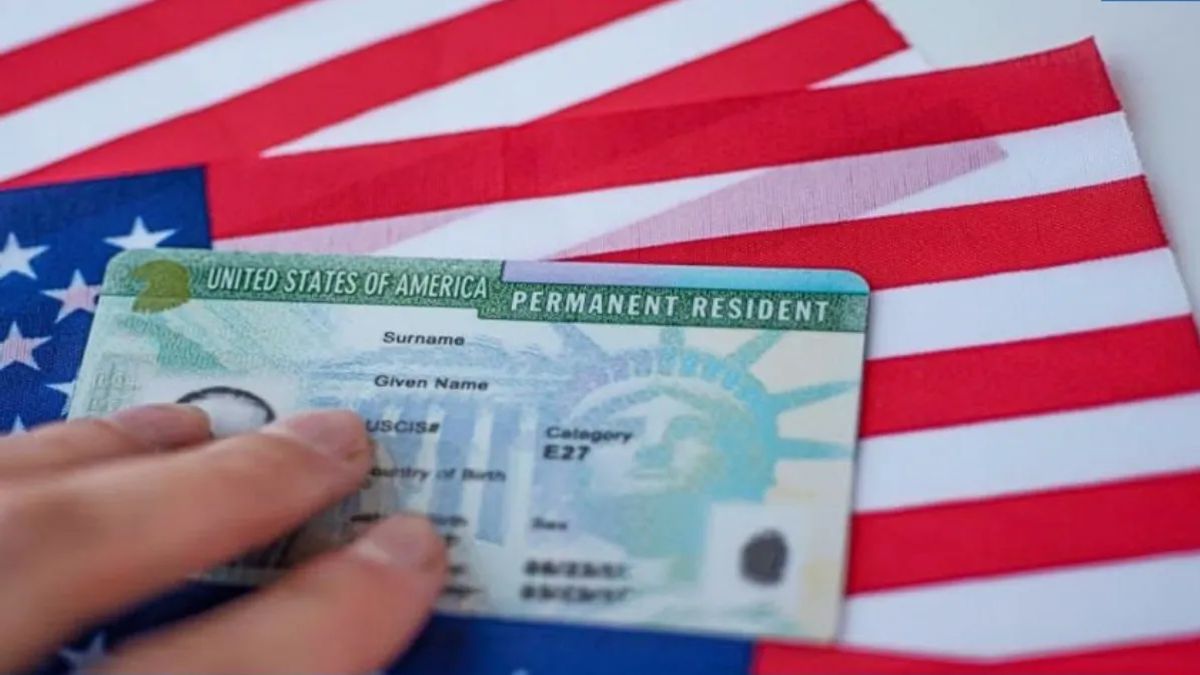
Legal Experts Warn of Administrative Backlogs
Immigration attorneys say the tightening of approval standards may not necessarily stem from formal legislative changes but rather from administrative interpretations and operational policy adjustments. Such shifts can still significantly alter outcomes for applicants.
Law firms representing employment-based immigrants report increasing instances of delayed interviews, additional background checks, and procedural hurdles that were previously less common. These developments could contribute to rising case backlogs across immigration agencies already managing high application volumes.
Experts also note that longer processing timelines can increase vulnerability for workers changing jobs or employers during pending green card applications. Employment transitions often require extensive documentation updates and compliance reviews, adding another layer of complexity.
Broader Debate Over US Immigration Policy Continues
The evolving immigration landscape has reignited debate over the future of skilled migration in the United States. Supporters of stricter controls argue that tighter vetting protects labor standards and national interests, while critics contend that excessive restrictions risk harming innovation and economic competitiveness.
For Indian professionals and their families, the uncertainty surrounding employment-based green card approvals has once again highlighted longstanding structural issues within the American immigration system, particularly country caps and lengthy waiting periods.
As immigration authorities continue implementing tighter scrutiny measures, thousands of highly skilled workers remain in limbo, balancing professional contributions to the US economy with growing concerns about long-term residency security and future opportunities.