
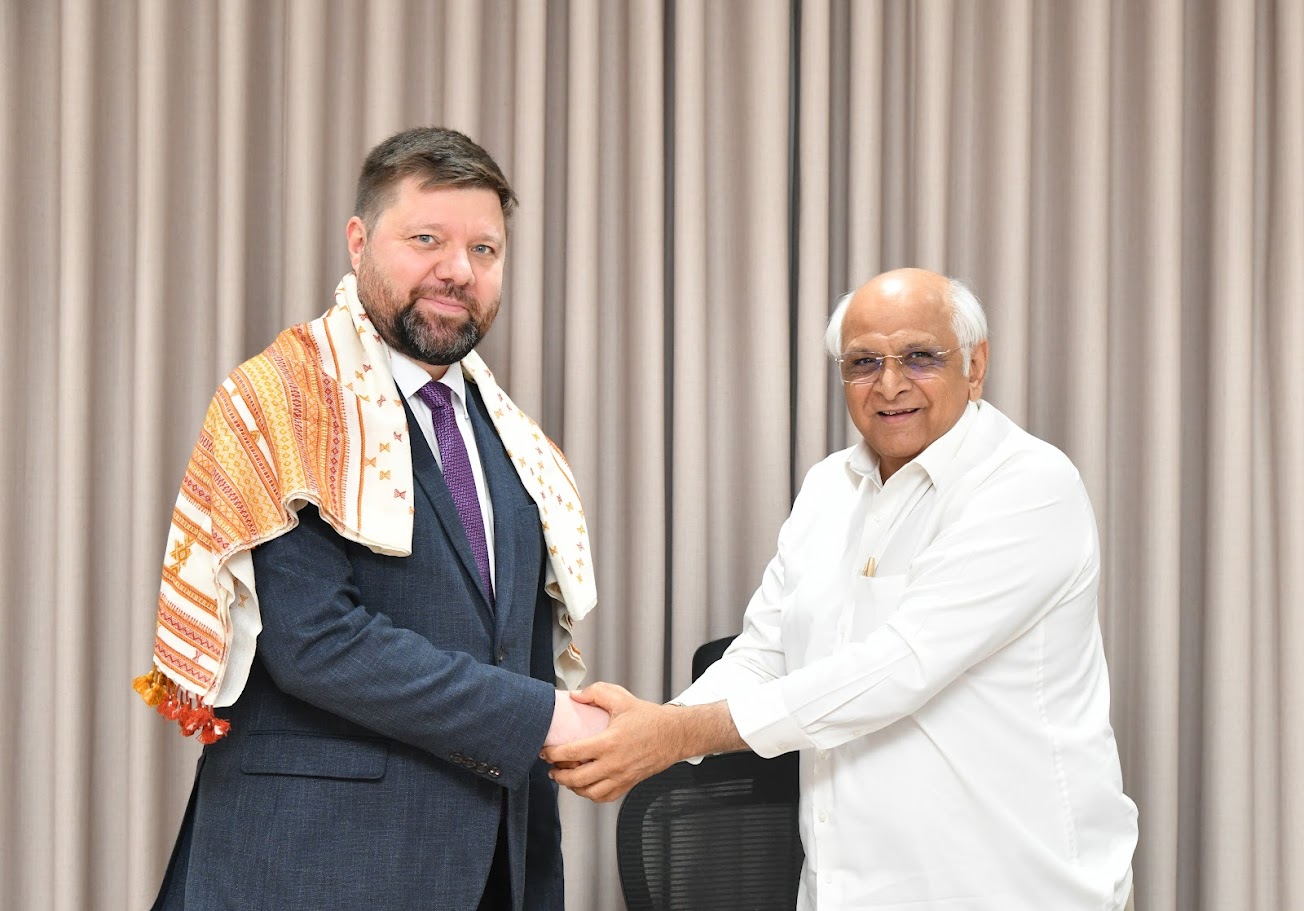
Gujarat is seeking to deepen its international economic and strategic partnerships as senior representatives from Russia and the State government held high-level discussions focused on maritime collaboration, shipbuilding, education, trade, and industrial investment. The meeting highlighted the growing importance of Gujarat as a global industrial and logistics hub while also reflecting Russia’s continued interest in expanding its footprint in India’s western region.
During the discussions, the Russian delegation and Gujarat leadership explored opportunities to strengthen bilateral cooperation across multiple sectors that are central to the State’s long-term economic vision. Maritime infrastructure, port-led development, shipbuilding capabilities, educational exchange programs, and industrial collaboration emerged as major themes during the interaction.
The talks underscored Gujarat’s increasing prominence in international trade and logistics, driven by its extensive coastline, well-developed ports, industrial corridors, and investor-friendly ecosystem. Officials discussed how maritime cooperation could open new channels for trade connectivity, technological collaboration, and infrastructure development between Gujarat and Russian enterprises.
Shipbuilding was identified as a particularly significant area of mutual interest. Gujarat has been steadily developing its capabilities in ship construction, repair, and maritime engineering, supported by private investment and port-based industrial expansion. Russian participation in these areas could potentially bring advanced technical expertise, industrial partnerships, and new investment opportunities into the sector.
The discussions also reflected broader geopolitical and economic trends in which Indian States are increasingly engaging directly with foreign governments and investors to promote region-specific economic growth. Gujarat, known for its strong manufacturing base and export-oriented economy, has actively positioned itself as a preferred destination for international business partnerships. 
Education and academic cooperation formed another key part of the dialogue. Both sides reportedly explored possibilities for strengthening institutional ties, student exchange initiatives, technical training programs, and collaborative research opportunities. Educational partnerships are expected to support skill development in emerging sectors, including maritime technology, engineering, logistics, and industrial innovation.
Officials familiar with the discussions indicated that collaboration in higher education and vocational training could help create a skilled workforce aligned with future industrial requirements. Such initiatives may also encourage cultural and academic exchanges between Indian and Russian institutions.
The meeting additionally touched upon investment opportunities in Gujarat’s expanding industrial ecosystem. The State has continued to attract foreign interest through large-scale infrastructure projects, industrial parks, smart city initiatives, renewable energy investments, and manufacturing clusters. Russian businesses are understood to be exploring sectors where long-term cooperation and commercial partnerships can be established. 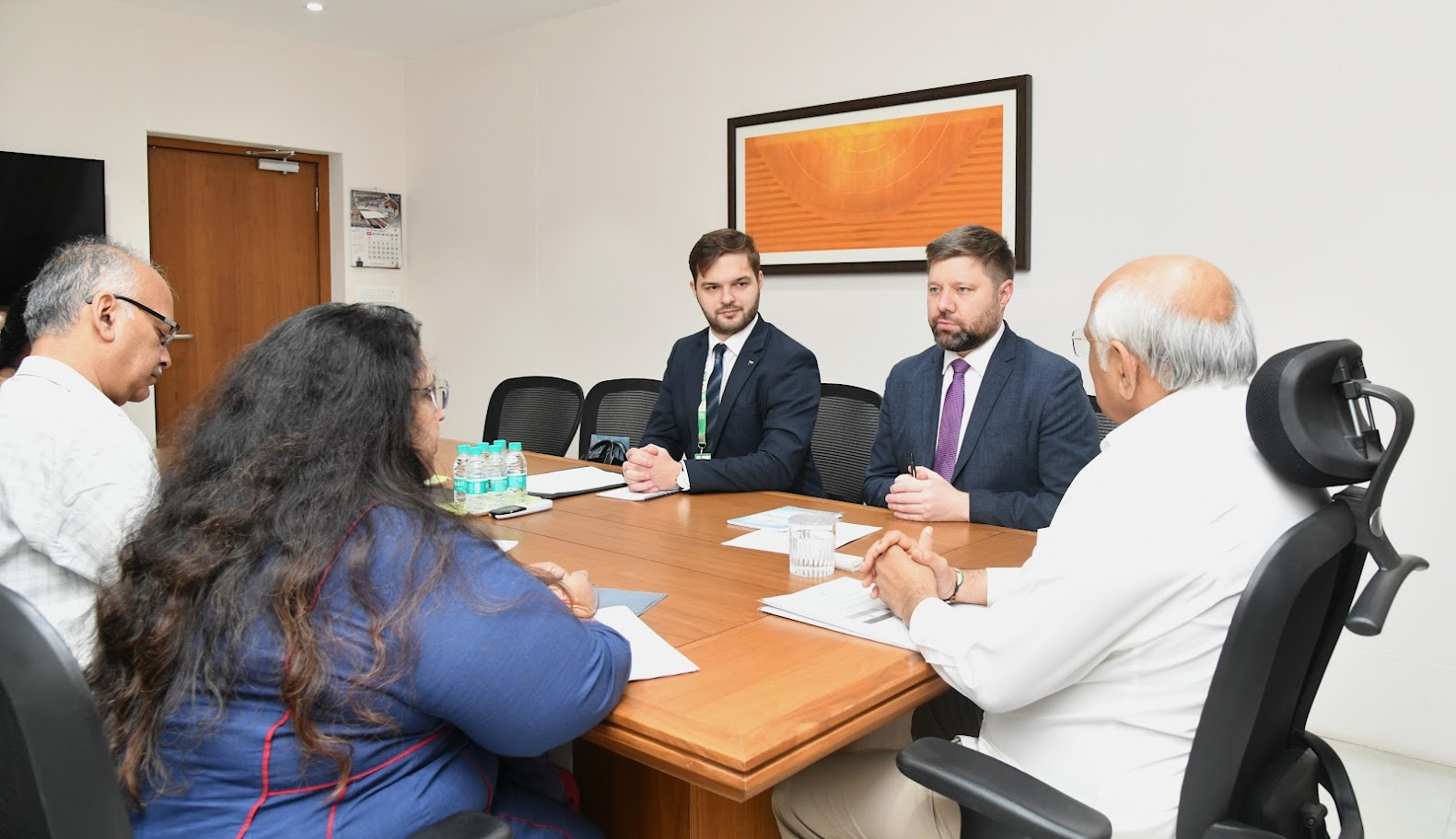
Gujarat’s strategic location along India’s western coast makes it a critical gateway for international maritime commerce. With several major ports handling significant cargo traffic and global trade movement, the State has become central to India’s ambitions of strengthening its blue economy and maritime connectivity. Enhanced engagement with Russia in these sectors could contribute to broader economic cooperation between the two countries.
The discussions also reflected the enduring strategic relationship between India and Russia, which has historically spanned defense, energy, trade, science, and technology. As both countries seek to diversify economic engagement, regional partnerships involving industrial States such as Gujarat are gaining greater importance.
Analysts believe that cooperation in maritime logistics and shipbuilding may become increasingly relevant amid evolving global trade patterns and the growing emphasis on supply chain resilience. Gujarat’s industrial capabilities, combined with Russian technological expertise and investment interest, could create opportunities for long-term economic collaboration.
The meeting concluded with both sides expressing interest in exploring practical avenues for future engagement and cooperation. While no formal agreements were publicly announced immediately after the interaction, the dialogue signaled a willingness to strengthen institutional and commercial ties across strategically important sectors.
The engagement is being viewed as part of Gujarat’s broader effort to expand international partnerships and reinforce its position as one of India’s leading centers for trade, manufacturing, maritime development, and global investment.