
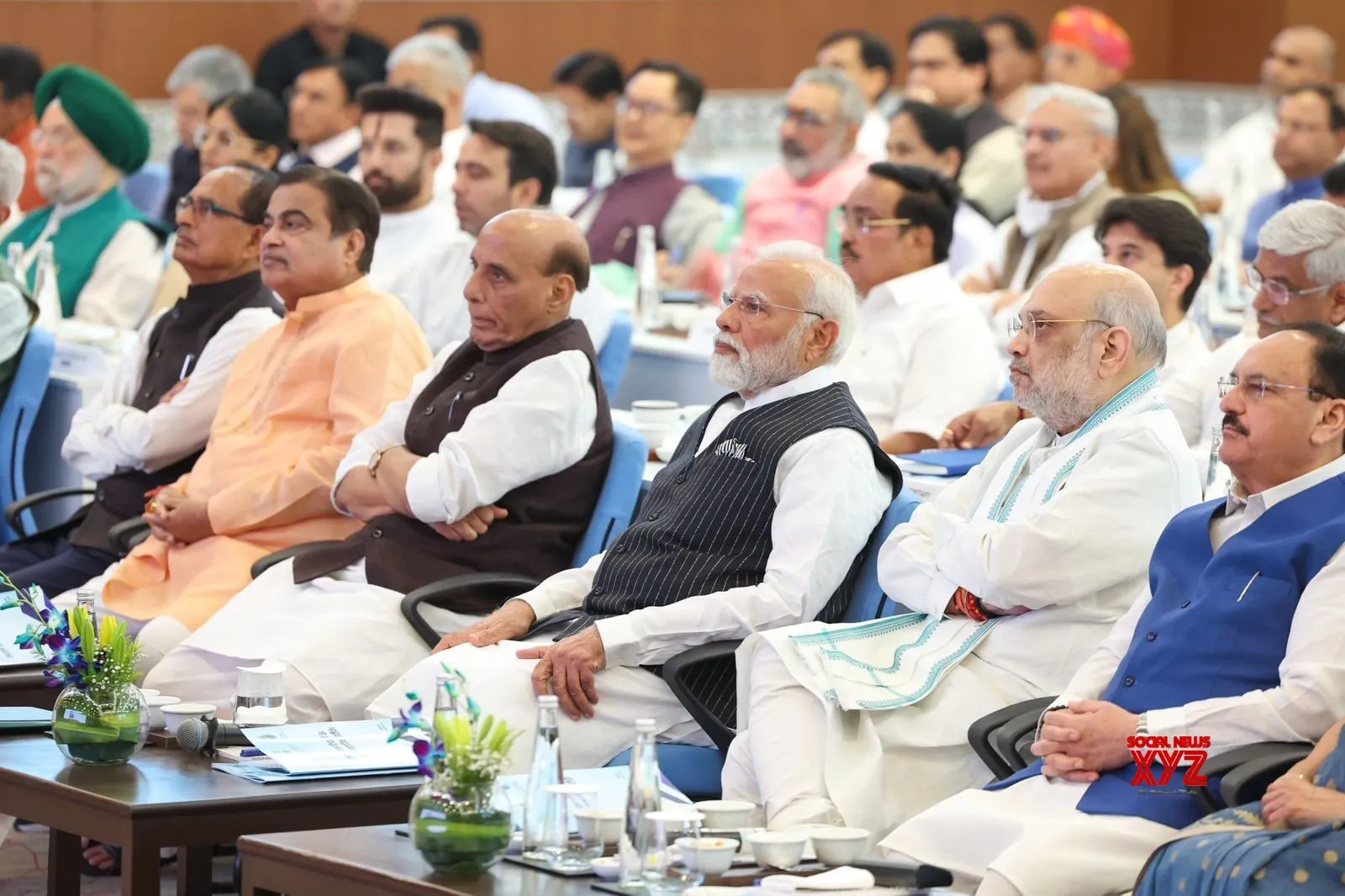
In a significant push toward administrative accountability and governance efficiency, Prime Minister Narendra Modi recently chaired a high-level review meeting where Union ministries were assessed under a newly introduced performance evaluation framework. The exercise, described by officials as one of the most structured internal governance audits undertaken by the Centre in recent years, aimed to measure ministries on implementation efficiency, policy execution, project delivery, and public impact.
The review meeting reportedly involved detailed presentations and comparative “report cards” prepared for several ministries and departments. The new assessment system seeks to create measurable benchmarks for governance performance and establish stronger monitoring mechanisms across the Union government.
According to officials familiar with the process, ministries were evaluated on multiple indicators, including speed of execution, achievement of targets, coordination with states, budget utilization, digital governance adoption, and responsiveness to citizen-centric schemes. The performance rankings are expected to play an increasingly important role in shaping administrative priorities over the coming years.
New Governance Monitoring Model Introduced
The assessment exercise marks a notable shift in how the central administration monitors bureaucratic performance. Instead of relying solely on periodic departmental reports, the new model reportedly integrates real-time monitoring data, project progress indicators, and implementation outcomes.
Senior government officials indicated that the framework has been designed to encourage competition among ministries while also identifying structural bottlenecks that delay policy execution. Ministries demonstrating faster implementation and better coordination reportedly emerged as top performers, while departments facing delays or underperformance were flagged for corrective action.
The Prime Minister is understood to have emphasized the importance of accountability, inter-ministerial coordination, and timely delivery of flagship initiatives during the meeting. Officials stated that ministries were encouraged to focus not only on policy announcements but also on measurable ground-level outcomes.
Focus on Delivery, Efficiency, and Public Impact
The review process reportedly examined how effectively ministries translated policy decisions into actionable results. Particular attention was paid to infrastructure execution, welfare delivery, economic reforms, and digitization initiatives.
Officials involved in the exercise said the evaluation framework gives greater importance to tangible outcomes rather than procedural achievements. Ministries handling large-scale public welfare schemes, infrastructure expansion, and investment facilitation were reportedly monitored closely for timelines, efficiency, and public feedback.
The administration’s renewed focus on performance tracking is seen as part of a broader effort to strengthen governance standards ahead of future policy expansion and economic development goals. Analysts believe the initiative could also lead to increased pressure on departments to accelerate implementation and reduce bureaucratic delays.
Internal Competition Among Ministries Intensifies
Sources indicated that the comparative report card system has created a more competitive environment within the government structure. Ministries that performed well in execution metrics reportedly received recognition during the review process, while weaker departments were asked to improve monitoring mechanisms and operational efficiency.
Officials noted that the exercise was not intended merely as a ranking mechanism but as a tool to improve governance standards and streamline decision-making. Departments showing persistent implementation gaps may face closer scrutiny in future evaluations.
The government has increasingly adopted technology-driven monitoring systems over the past few years to track infrastructure projects, welfare disbursement, and policy milestones. The latest review exercise appears to institutionalize that approach into a formal performance management structure. 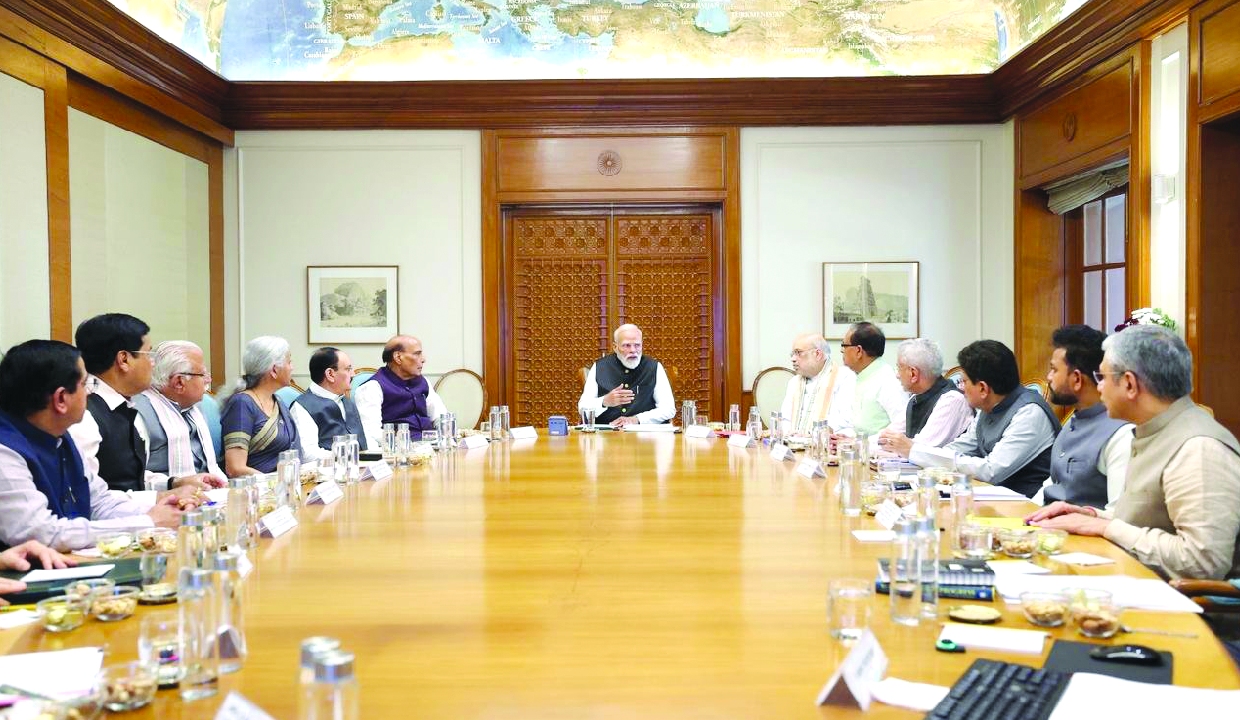
Administrative Reforms Gain Momentum
Governance experts believe the move reflects the Centre’s intention to build a more result-oriented administrative culture. The introduction of measurable indicators and regular review mechanisms may improve coordination between ministries and help identify delays at an early stage.
Observers also note that centralized performance tracking allows the Prime Minister’s Office to maintain closer oversight over major policy initiatives and flagship schemes. By linking governance assessments with implementation data, the administration aims to ensure that policy objectives translate into visible outcomes for citizens.
The review meeting is expected to be followed by further departmental consultations and targeted improvement plans for ministries that underperformed in specific areas. Officials suggested that future evaluations may become more data-intensive and integrated with digital governance dashboards.
Greater Accountability Expected Across Government
The new report card-based evaluation framework is likely to influence how ministries prioritize projects and manage administrative targets in the coming years. Analysts say the move aligns with the government’s broader emphasis on efficiency, measurable delivery, and outcome-based governance.
As India continues to expand large-scale infrastructure projects, welfare initiatives, and digital transformation programs, the administration appears focused on creating a governance ecosystem where ministries are assessed not only on policy formulation but also on real-world implementation and impact.
The review exercise chaired by Prime Minister Narendra Modi signals a deeper institutional shift toward performance-driven administration, with accountability and execution emerging as central pillars of governance strategy.