
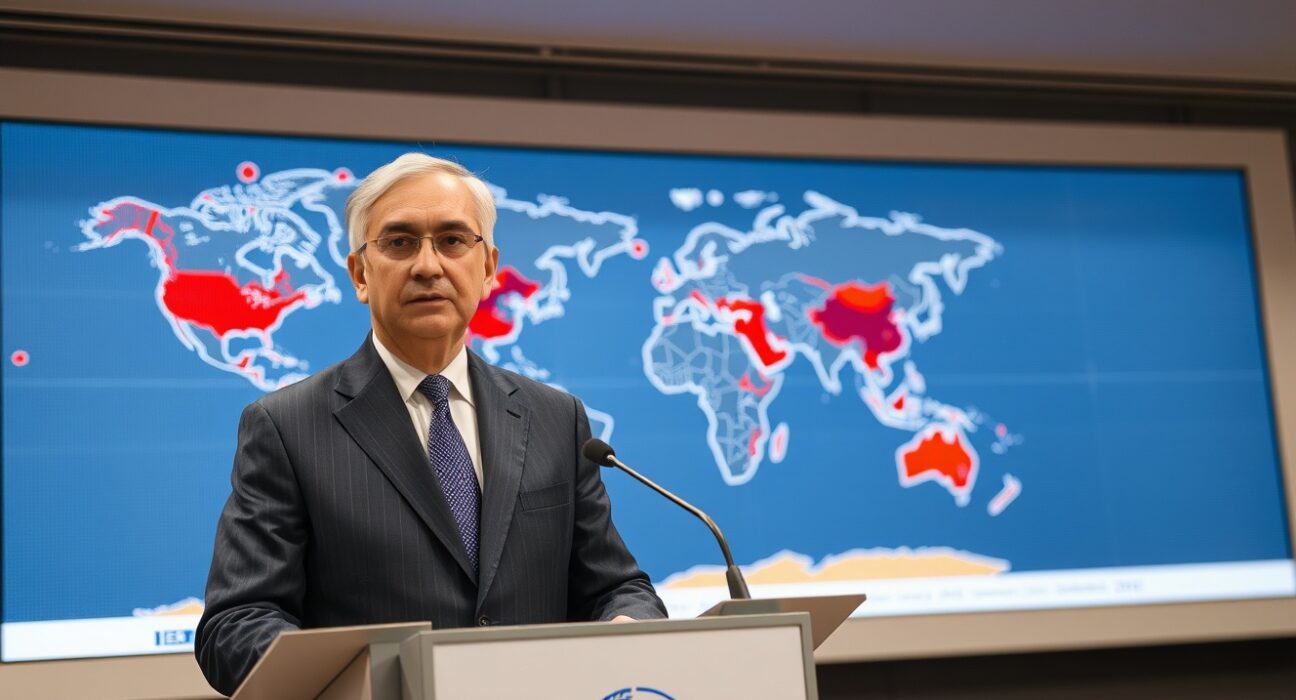
The global oil market could face severe supply pressures and heightened volatility in the coming months, with the International Energy Agency (IEA) warning that the sector may enter a “red zone” by summer if current trends continue. The caution comes amid growing geopolitical tensions, strong seasonal fuel demand, and concerns over tightening crude supplies that could significantly impact global energy prices and economic stability.
Speaking on the evolving global energy situation, IEA Executive Director Fatih Birol highlighted that oil markets are entering a sensitive period where even minor disruptions could trigger sharp price spikes. According to the agency, the balance between global demand and supply remains fragile despite efforts by major oil-producing nations to stabilize the market.
The warning arrives at a time when economies worldwide are already grappling with inflationary pressures, high transportation costs, and uncertainty surrounding energy security. Analysts believe that an increase in summer travel demand, combined with ongoing geopolitical instability in key oil-producing regions, could intensify pressure on global crude inventories.
Energy experts noted that oil consumption traditionally rises during the summer months due to increased travel, industrial activity, and electricity demand. However, supply growth has not kept pace with expectations, raising fears that the market may struggle to absorb unexpected shocks. The IEA chief emphasized that current conditions leave little room for complacency, especially if geopolitical conflicts escalate further or production disruptions occur.
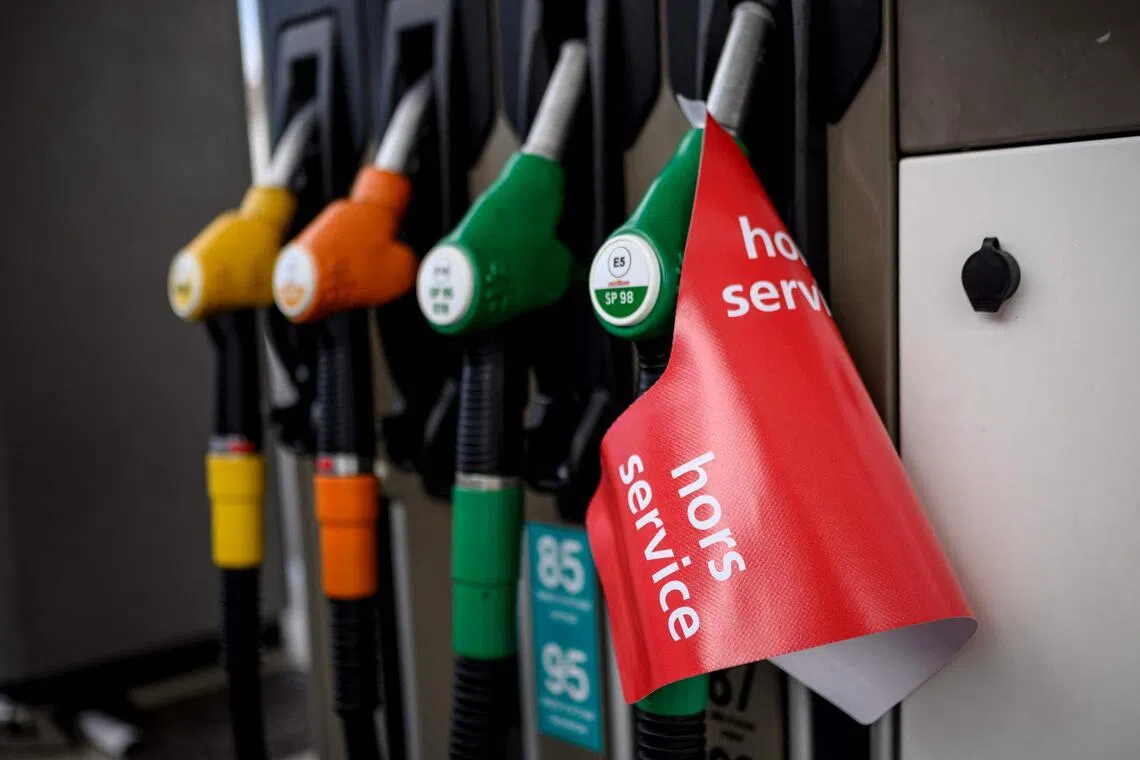
The agency also pointed toward the strategic decisions of major producers within the OPEC and allied nations as a critical factor influencing market stability. Production cuts and controlled output strategies by oil-exporting countries have contributed to tighter supply conditions in recent months, supporting elevated crude prices across international markets.
Economists warn that sustained increases in oil prices could have broader consequences for the global economy. Higher fuel costs may increase inflationary pressures, impact consumer spending, and slow economic growth in both developed and emerging nations. Countries heavily dependent on energy imports could face additional financial strain if crude prices continue to rise sharply.
The IEA has urged governments and energy stakeholders to remain vigilant and prepare for potential market disruptions. Experts believe strategic petroleum reserves, diversification of energy sources, and stronger investments in renewable energy infrastructure may become increasingly important in reducing long-term vulnerability to oil market fluctuations.
Market observers are closely monitoring developments in the Middle East, global shipping routes, and decisions by leading oil-producing countries, all of which could shape price movements in the weeks ahead. Investors and policymakers alike are expected to keep a close watch on upcoming production data and demand forecasts as the summer season approaches.
While no immediate supply crisis has been declared, the IEA’s latest warning underscores growing concerns that the global oil market may be entering a period of heightened instability. With demand expected to remain strong and supply buffers appearing increasingly limited, energy markets could witness significant volatility if corrective measures fail to materialize in time.