

Romantic dramas in contemporary Hindi cinema often struggle to balance emotional sincerity with cinematic restraint. Chand Mera Dil attempts to bridge that gap with a story rooted in longing, heartbreak, and emotional vulnerability. Anchored by compelling performances from Ananya Panday and Lakshya, the film emerges as an intensely moving portrayal of love that feels fragile, intimate, and devastatingly real.
Directed with sensitivity and visual elegance, the film does not rely on grand spectacle or exaggerated melodrama. Instead, it unfolds through silence, emotional pauses, and deeply personal moments that capture the unpredictability of human relationships. The result is a romantic drama that leaves a lasting emotional impact long after the credits roll.
A Love Story Defined by Emotional Turmoil
At its core, Chand Mera Dil explores the complexities of modern love — the kind that is passionate yet painful, hopeful yet emotionally exhausting. The narrative follows two individuals drawn together by emotional connection but slowly torn apart by circumstances, misunderstandings, and the emotional baggage they carry within themselves.
Rather than presenting romance through idealistic fantasy, the film chooses realism. The characters are imperfect, emotionally conflicted, and vulnerable. Their relationship evolves organically, making the heartbreak feel authentic and deeply affecting.
The screenplay takes its time to build emotional tension, allowing viewers to become invested in the characters’ journeys. Every interaction carries emotional weight, and even seemingly simple conversations reveal layers of unresolved feelings and personal insecurities. 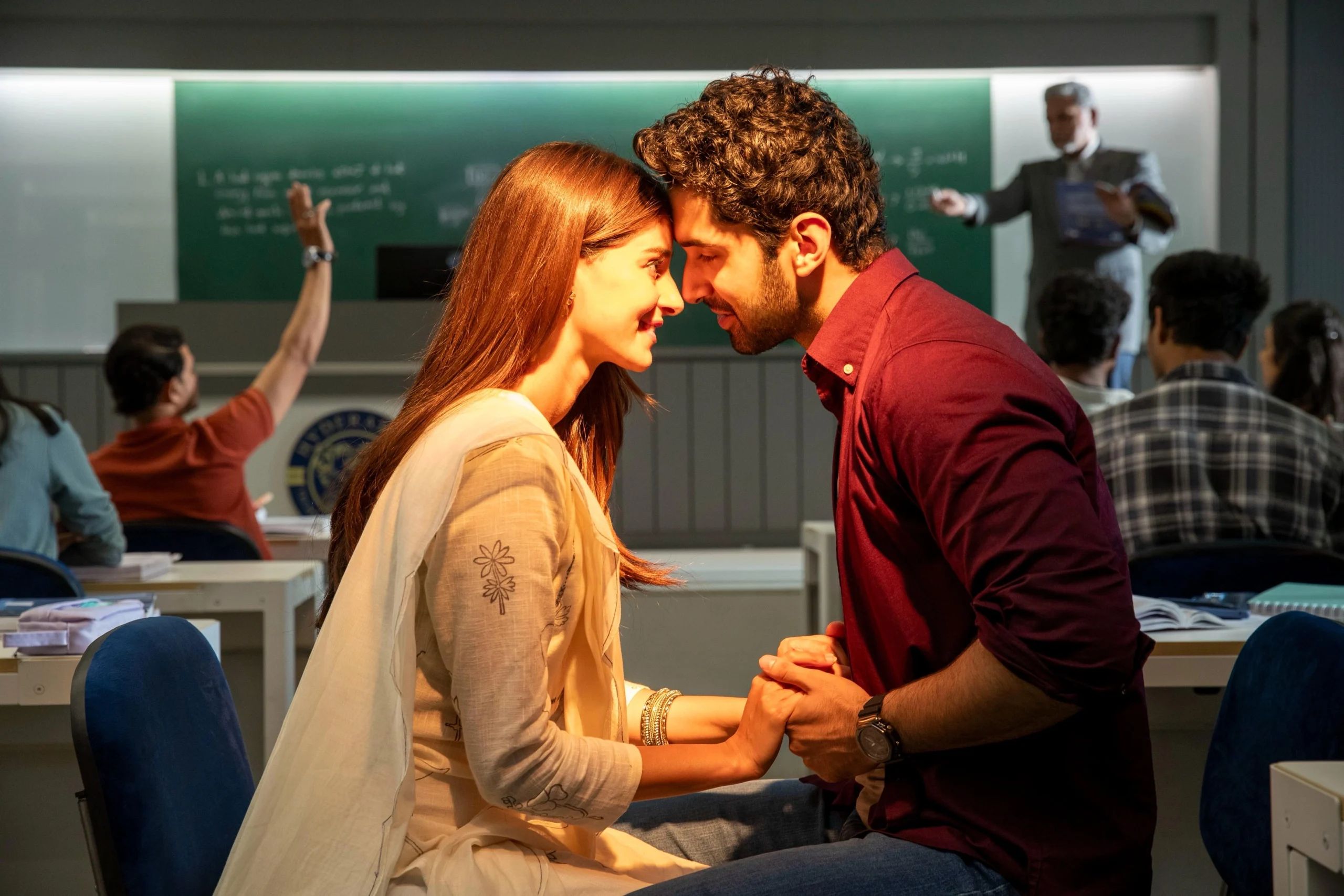
Ananya Panday Delivers One of Her Most Mature Performances
Ananya Panday surprises with a nuanced and emotionally controlled performance that marks a significant step forward in her acting career. She portrays her character with restraint, avoiding unnecessary dramatics while conveying pain and emotional conflict through subtle expressions and body language.
Her performance is particularly effective during the quieter moments of the film, where silence communicates more than dialogue. She captures vulnerability, confusion, and heartbreak with sincerity, making her character relatable and emotionally engaging.
The role demands emotional maturity, and Ananya rises to the challenge with confidence. Her portrayal demonstrates noticeable growth as an actor and helps anchor the film’s emotional core.
Lakshya Brings Intensity and Emotional Authenticity
Lakshya complements the film beautifully with a performance filled with emotional depth and understated intensity. His portrayal feels natural and deeply human, allowing audiences to connect with his emotional struggles and inner turmoil.
He shares strong chemistry with Ananya Panday, and together they create a believable relationship that drives the emotional strength of the film. Their interactions never feel forced, and the emotional push-and-pull between the characters remains compelling throughout.
Lakshya’s ability to communicate emotional pain without excessive dialogue adds realism to the narrative. His performance gives the film much of its emotional gravity and helps maintain its poignant tone. 
Direction and Writing Focus on Emotional Realism
One of the film’s greatest strengths lies in its restrained storytelling approach. The director avoids excessive sentimentality and instead focuses on emotional realism. Scenes are allowed to breathe naturally, and the pacing reflects the slow emotional unraveling experienced by the characters.
The writing captures the emotional contradictions that often define relationships — love mixed with fear, closeness interrupted by distance, and hope overshadowed by uncertainty. This layered approach makes the story feel more mature and emotionally resonant than conventional romantic dramas.
The dialogues are thoughtfully written, often carrying emotional depth without becoming overly poetic or dramatic. The emotional intensity comes from honesty rather than exaggerated storytelling techniques.
Music and Visuals Enhance the Emotional Atmosphere
The film’s soundtrack plays a crucial role in shaping its emotional tone. The music blends seamlessly with the narrative, amplifying moments of tenderness, loneliness, and heartbreak. Rather than overpowering scenes, the songs and background score complement the emotional flow of the story.
Visually, Chand Mera Dil maintains a soft and melancholic aesthetic that reflects the emotional state of its characters. The cinematography captures intimate moments beautifully, using lighting and framing to enhance emotional tension and vulnerability.
The visual storytelling adds another layer of emotional depth, making the film feel immersive and emotionally textured. 
A Romance That Stays With the Audience
What makes Chand Mera Dil stand out is its emotional honesty. The film does not offer simplistic answers or fairy-tale resolutions. Instead, it portrays love as complicated, transformative, and sometimes painfully incomplete.
Its strength lies not in dramatic twists but in emotional authenticity. The heartbreak feels earned, the emotions feel genuine, and the performances remain deeply affecting from beginning to end.
While the film’s slow pacing and emotionally heavy tone may not appeal to viewers seeking light-hearted entertainment, audiences who appreciate character-driven romantic dramas will likely find it deeply rewarding.
Final Verdict
Chand Mera Dil is an emotionally rich romantic drama that succeeds because of its sincerity and powerful performances. Ananya Panday and Lakshya deliver compelling portrayals that elevate the film beyond a conventional love story, transforming it into a deeply human exploration of love, pain, and emotional connection.
With thoughtful direction, emotionally layered writing, and a hauntingly beautiful atmosphere, the film stands as a poignant addition to modern Hindi romantic cinema.