
Delhi is witnessing one of its harshest starts to summer in recent years, with temperatures soaring unusually early and nighttime conditions offering little relief to residents. The national capital recently recorded its warmest night in nearly 14 years, signaling the onset of an intense and prolonged heatwave season that is already straining daily life, public health systems, and electricity infrastructure.
Meteorological officials reported that nighttime temperatures remained exceptionally high, marking a sharp deviation from seasonal averages. The unusually warm nights have intensified discomfordelhi-record-breaking-heatwave-power-demand-soarst for residents, particularly in densely populated urban areas where heat retention is significantly higher due to concrete structures, traffic emissions, and limited green cover.
The persistent rise in temperatures has also pushed electricity consumption to alarming levels. Authorities estimate that Delhi’s power demand could soon touch 9,000 megawatts, a figure that reflects the growing dependence on air conditioning, cooling appliances, and uninterrupted electricity during extreme weather conditions.
Rising Temperatures Trigger Early Heatwave Concerns
Weather experts have attributed the severe heat conditions to a combination of climatic factors, including dry northwesterly winds, reduced cloud cover, and prolonged exposure to intense solar radiation. The absence of significant rainfall or western disturbances has further contributed to the steady buildup of heat across northern India.
Several parts of Delhi recorded daytime temperatures significantly above normal, while nighttime temperatures remained elevated well beyond typical seasonal levels. Such conditions are particularly dangerous because the human body receives little opportunity to recover from daytime heat stress when nights remain excessively warm.
Experts warn that sustained high nighttime temperatures can increase the risk of dehydration, heat exhaustion, and heatstroke, especially among children, elderly citizens, outdoor workers, and individuals with pre-existing health conditions. 
Power Consumption Reaches Critical Levels
As temperatures continue to climb, electricity demand across Delhi has surged sharply. Energy officials expect the city’s power requirement to cross the 9,000 MW mark if current weather conditions persist. Increased use of air conditioners, coolers, fans, and refrigeration systems has placed additional pressure on the capital’s power grid.
Distribution companies have reportedly intensified monitoring efforts to ensure uninterrupted supply during peak consumption hours. Authorities are also preparing contingency plans to manage potential overload situations in case temperatures continue to rise in the coming weeks.
The rising demand reflects broader concerns surrounding urban infrastructure preparedness during extreme climate events. Experts believe that rapidly expanding cities like Delhi are becoming increasingly vulnerable to heat-related disruptions due to population density, construction patterns, and growing energy consumption. 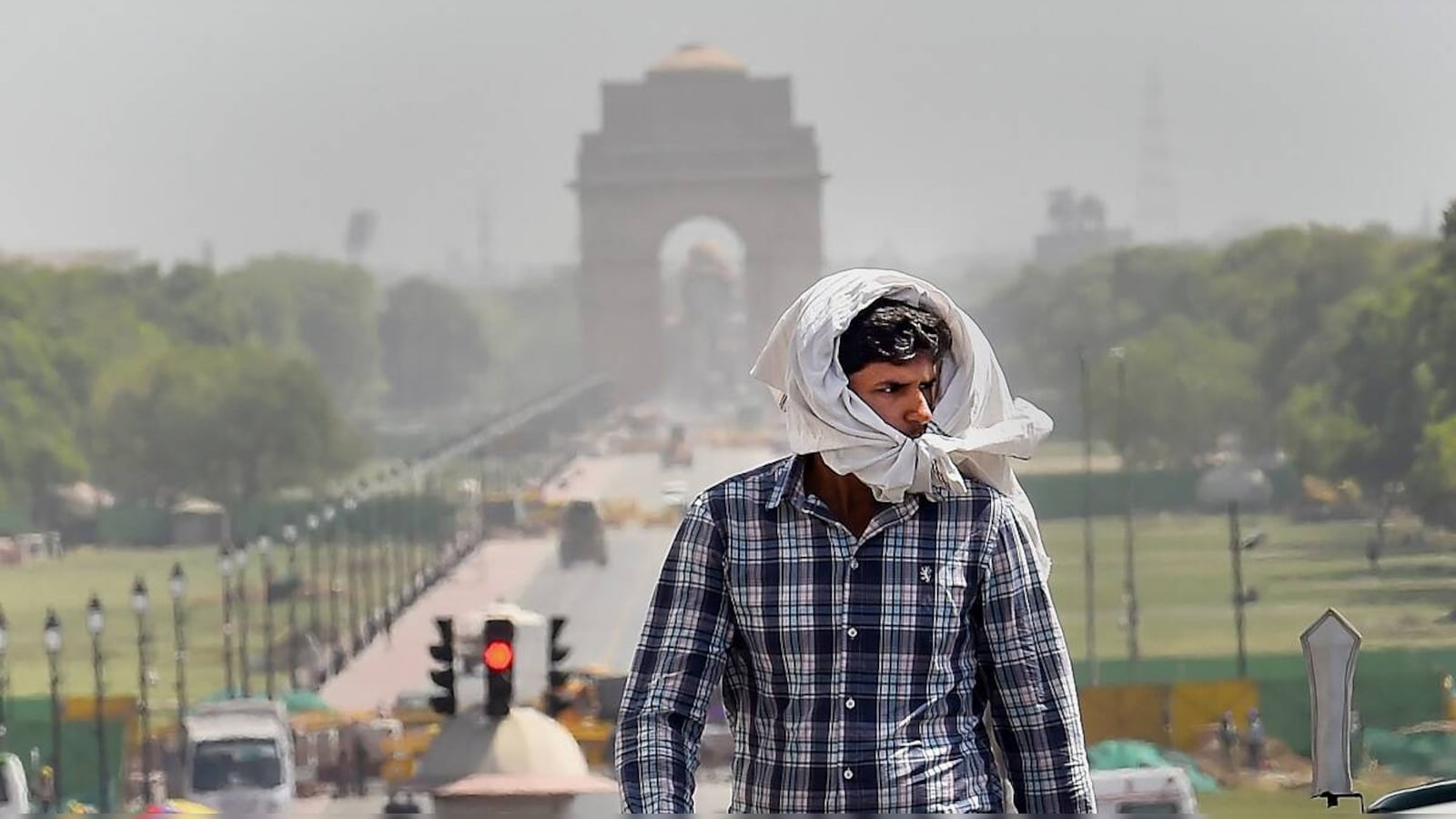
Heatwave Conditions Likely to Intensify Further
Meteorological forecasts indicate that temperatures may continue to remain above normal over the next several days. Heatwave conditions are expected to persist across Delhi and neighboring regions, with some areas potentially experiencing even harsher weather patterns as summer progresses.
Authorities have advised residents to avoid unnecessary outdoor exposure during peak afternoon hours, remain hydrated, and take precautions against heat-related illnesses. Hospitals and emergency services are also expected to remain on alert as prolonged heat conditions can lead to increased medical emergencies.
Environmental analysts have pointed to climate variability and urban heat island effects as major contributors to the increasing frequency of extreme temperature events in metropolitan cities. Rising concrete expansion, shrinking green spaces, and changing atmospheric conditions are believed to be amplifying heat retention across urban centers.
Urban Heat and Climate Challenges Become More Visible
The current weather pattern has reignited discussions around climate resilience and sustainable urban planning in major Indian cities. Experts emphasize the urgent need for long-term measures such as expanding green cover, improving heat-resistant infrastructure, promoting energy-efficient cooling systems, and strengthening emergency preparedness mechanisms.
Public health experts have also stressed the importance of awareness campaigns during peak summer months, particularly in regions where extreme heat conditions are becoming more frequent and severe.
With summer only beginning, the early arrival of record-breaking temperatures has raised concerns that the coming months could prove exceptionally challenging for residents across Delhi and surrounding regions.