
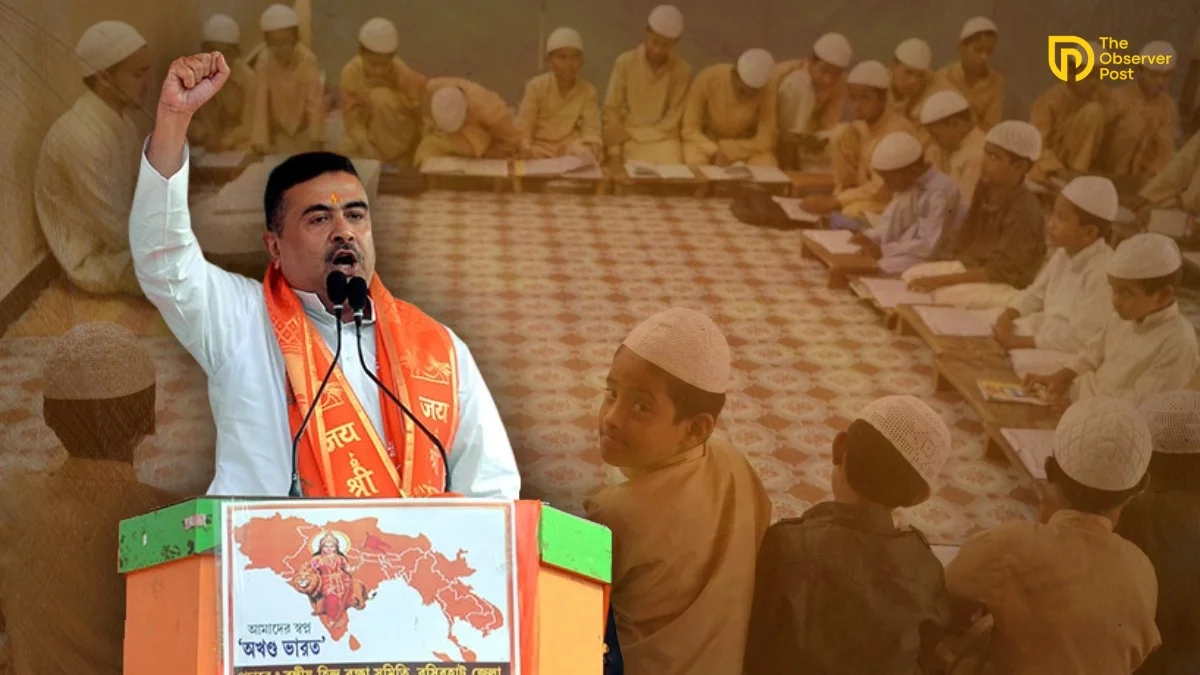
The West Bengal government has issued a directive making the singing of “Vande Mataram” compulsory in all madrassas across the state during official ceremonies and institutional events. The move has triggered widespread political discussion and public debate, with supporters describing it as a step toward strengthening patriotism, while critics have raised questions regarding inclusivity and educational autonomy.
According to the government order, all recognized madrassas in the state will be expected to ensure that the national song is sung during designated school functions, celebrations, and government-related programs. Education authorities have reportedly instructed institutions to comply with the directive as part of broader efforts to promote national values and civic awareness among students.
The decision is being viewed as a significant policy move due to the sensitive social and political context surrounding madrassa education in India. Madrassas, which primarily provide Islamic religious education alongside general academic subjects in many states, have often been at the center of debates concerning curriculum, modernization, and state oversight.
Officials associated with the administration stated that the directive is intended to encourage unity, patriotism, and constitutional values among students regardless of their background. They emphasized that “Vande Mataram” has historically been associated with India’s freedom movement and continues to hold symbolic national importance.
The order has also intensified political reactions within the state. Leaders from ruling and opposition parties have expressed sharply differing opinions on the matter. Supporters of the policy argue that singing the national song should be considered a common civic practice in educational institutions and not viewed through a religious lens. 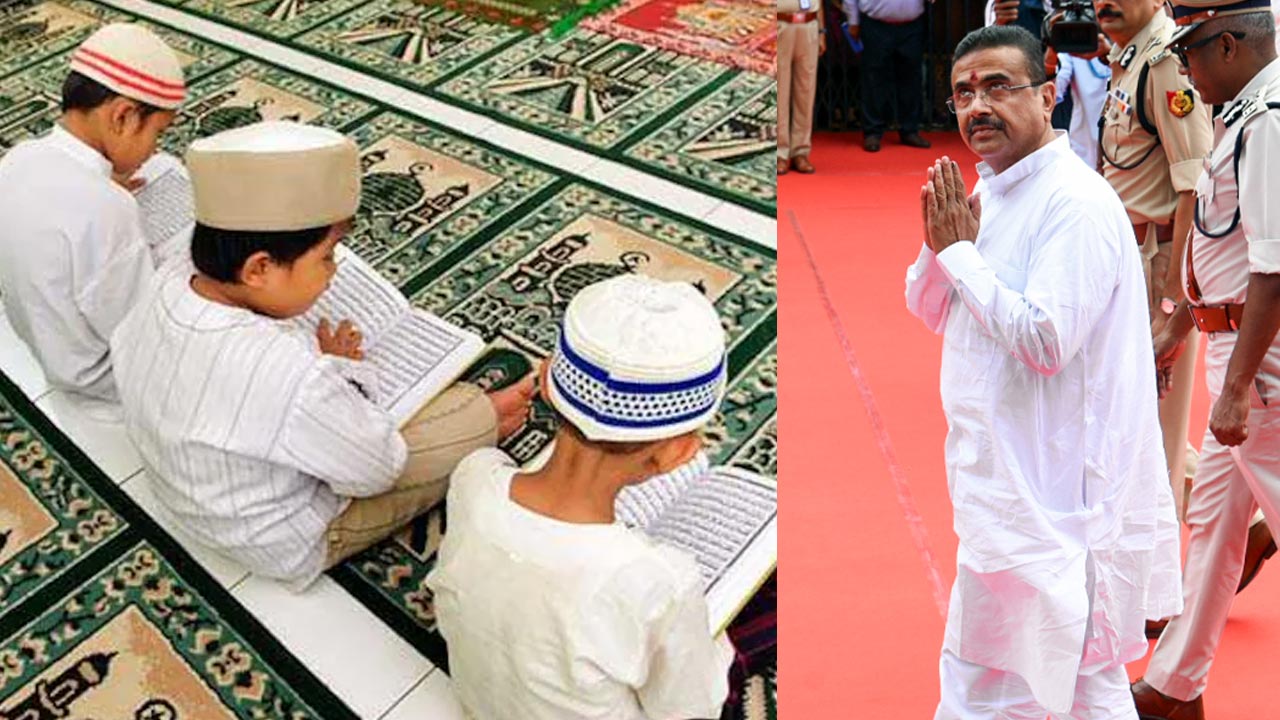
However, some critics and minority representatives have questioned whether the mandate could create discomfort among sections of the community. Certain groups have argued that educational institutions should be allowed flexibility in handling cultural and ceremonial practices while maintaining constitutional values.
Political analysts believe the issue could become a larger point of discussion in the state’s political landscape, especially as debates over identity, nationalism, and education continue to dominate public discourse in several parts of the country.
Education experts have also weighed in on the matter, with some supporting the inclusion of patriotic activities in schools, while others have called for balanced implementation to ensure harmony and avoid unnecessary polarization. Observers note that similar debates over national songs, prayers, and symbols have surfaced in educational institutions across India in recent years.
The state government has not indicated any immediate punitive measures for non-compliance, but officials have reportedly asked madrassa authorities to follow the directive in spirit and maintain discipline during institutional events.
The development has once again placed focus on the role of educational institutions in promoting civic identity and national integration. As discussions continue, the policy is expected to remain under public and political scrutiny in the coming weeks.
The directive comes amid broader national conversations on educational reforms, cultural identity, and the relationship between tradition and constitutional obligations in academic institutions. For now, madrassas across West Bengal are preparing to implement the order while community leaders, educators, and political parties continue to debate its broader implications.