
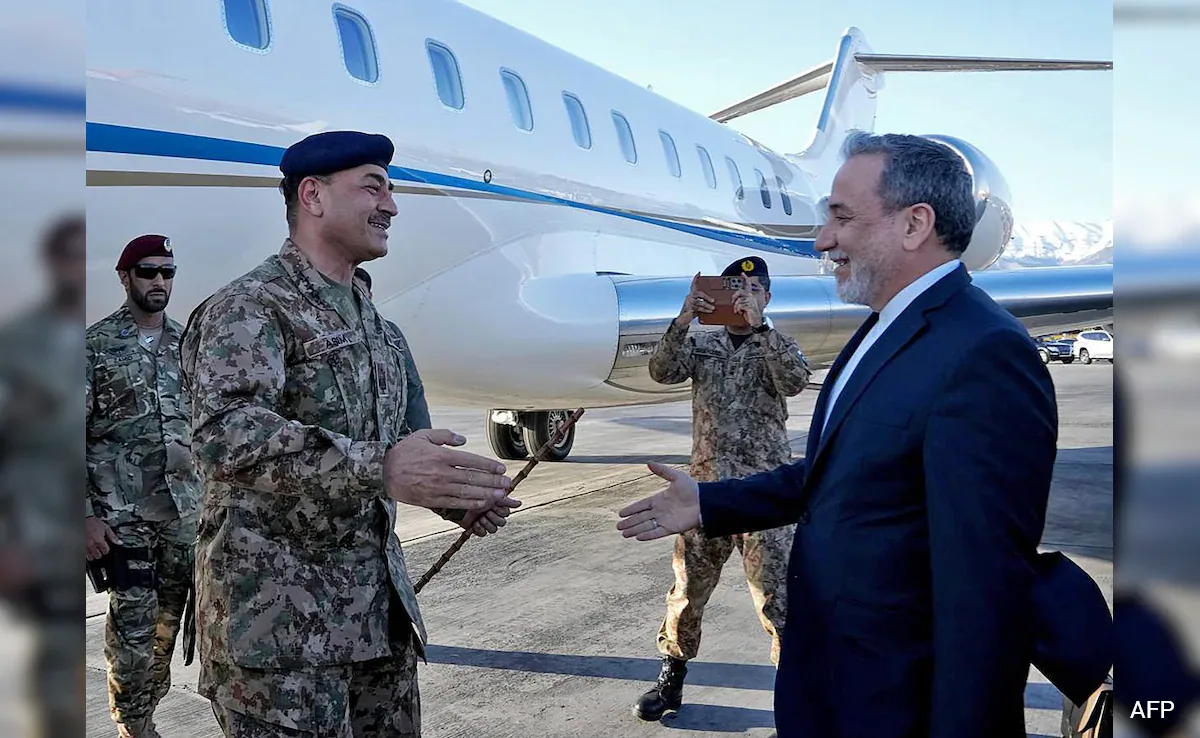
Pakistan’s Army Chief General Asim Munir is expected to arrive in Iran at a critical moment for the Middle East, as regional tensions continue to escalate and fears of a broader conflict grow across West Asia. The high-level visit is being viewed as a significant diplomatic effort by Islamabad to encourage dialogue and prevent the situation from spiraling into a wider military confrontation.
The visit comes amid increasing instability in the region, with several countries closely monitoring developments that could impact regional security, global energy markets, and international diplomatic relations. Pakistan, which shares deep political, religious, and economic ties with Iran, appears to be positioning itself as a supporter of diplomatic engagement rather than military escalation.
According to officials familiar with the developments, General Munir’s trip is expected to focus on regional peace, security coordination, and the importance of maintaining stability through negotiations. The visit also reflects Pakistan’s growing concern over the consequences of prolonged conflict in neighboring regions, especially considering its strategic geographic location and existing security challenges.
Diplomatic observers believe the Pakistani military leadership is attempting to strengthen communication channels with Tehran while simultaneously reinforcing Islamabad’s neutral and balanced approach toward ongoing geopolitical tensions. Pakistan has historically advocated peaceful conflict resolution in the Middle East and has often emphasized the importance of dialogue among regional powers.
The timing of the visit is particularly important as tensions between Iran and its adversaries have intensified in recent weeks. The possibility of retaliatory actions, cross-border strikes, and wider military involvement has raised international alarm. Several countries have already called for restraint, warning that any further escalation could destabilize the broader region and disrupt international trade routes and energy supplies. 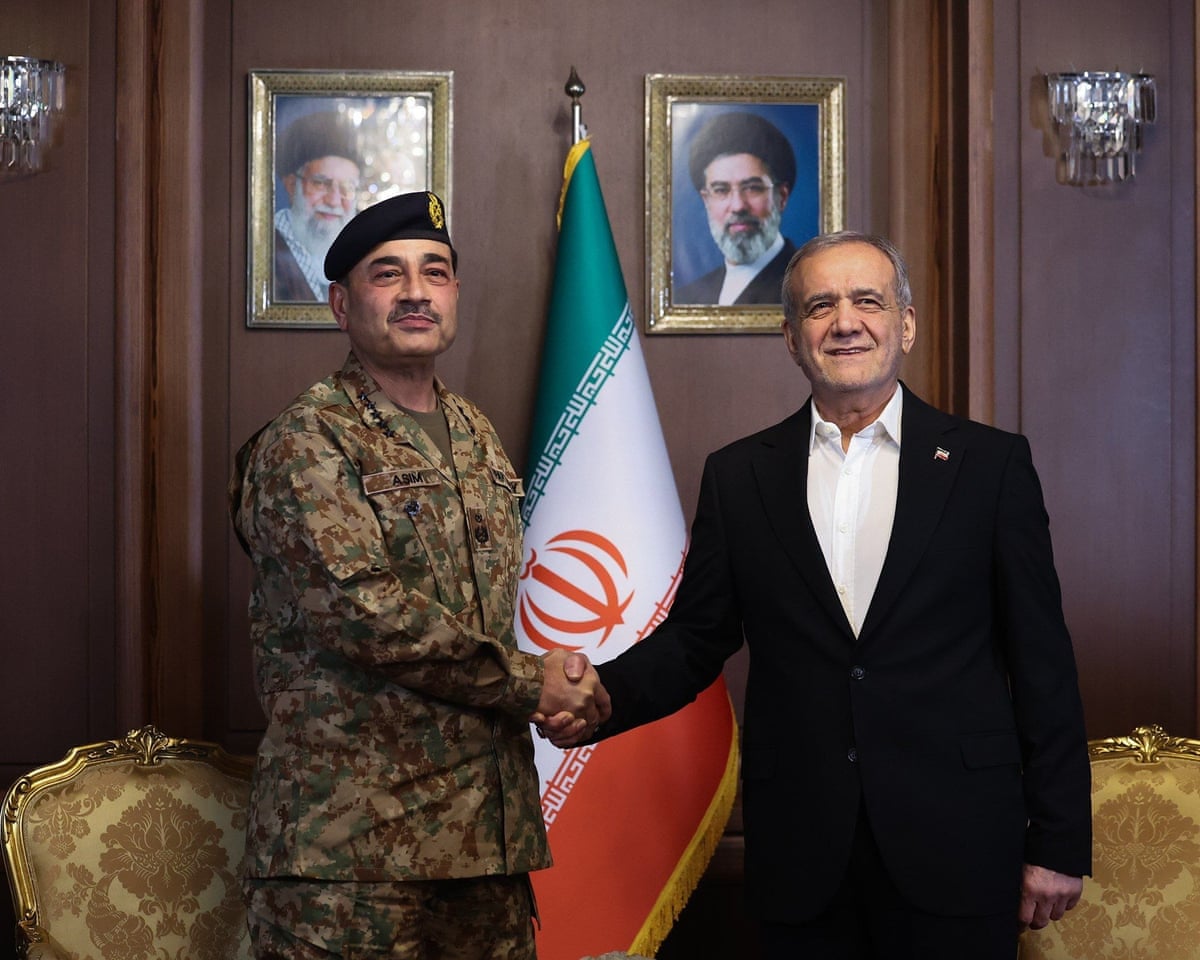
Security experts note that Pakistan has strong reasons to support diplomatic efforts. Any major conflict involving Iran could directly affect Pakistan’s border security, refugee management, trade activity, and domestic stability. Islamabad also remains cautious about being drawn into external geopolitical rivalries while trying to maintain strategic relations with multiple regional and global powers.
General Munir’s visit is expected to include discussions with senior Iranian political and military officials. The agenda may cover intelligence cooperation, border security, counterterrorism measures, and broader regional developments. Analysts suggest the meetings could also explore ways to reduce tensions through coordinated diplomatic messaging and confidence-building measures.
Pakistan’s leadership has repeatedly stated that peace and regional stability are essential for economic growth and national security. The country has increasingly emphasized diplomatic engagement in foreign policy matters, particularly regarding conflicts that could impact South Asia and the Middle East.
International analysts believe the visit may also signal Pakistan’s intention to play a more active diplomatic role in regional affairs. While Islamabad is unlikely to directly mediate the ongoing tensions, maintaining open communication with Tehran could help reduce misunderstandings and encourage restraint during a volatile period.
The broader international community continues to closely watch developments in the Middle East, where ongoing confrontations and strategic rivalries have increased uncertainty. Any diplomatic outreach from influential regional actors such as Pakistan is likely to be viewed as a positive step toward de-escalation.
As General Asim Munir prepares for key discussions in Tehran, attention will remain focused on whether diplomatic initiatives can help ease tensions and prevent the region from moving closer to a larger conflict. The coming days are expected to play a crucial role in shaping the direction of regional diplomacy and security cooperation across West Asia.