
The Iranian government has confirmed that it is carefully examining a fresh proposal from the United States as diplomatic efforts between Tehran and Washington appear to be entering a critical stage. The development comes after U.S. President Donald Trump stated that negotiations with Iran were in their “final stages,” signaling renewed optimism over the possibility of a breakthrough agreement aimed at reducing tensions in the Middle East.
The latest round of diplomatic engagement follows months of escalating regional instability, military threats, and intense international concern over Iran’s nuclear activities and strategic influence across the region. Officials from both countries have continued indirect communications through mediators, with Pakistan reportedly playing an important role in facilitating exchanges between Washington and Tehran.
Iranian Foreign Ministry representatives confirmed that the country had received updated American views and proposals and that the documents were currently under review by senior officials. While Tehran has not publicly disclosed the full contents of the proposal, Iranian leaders indicated that discussions remain focused on sanctions relief, uranium enrichment limits, regional security arrangements, and guarantees against future military action.
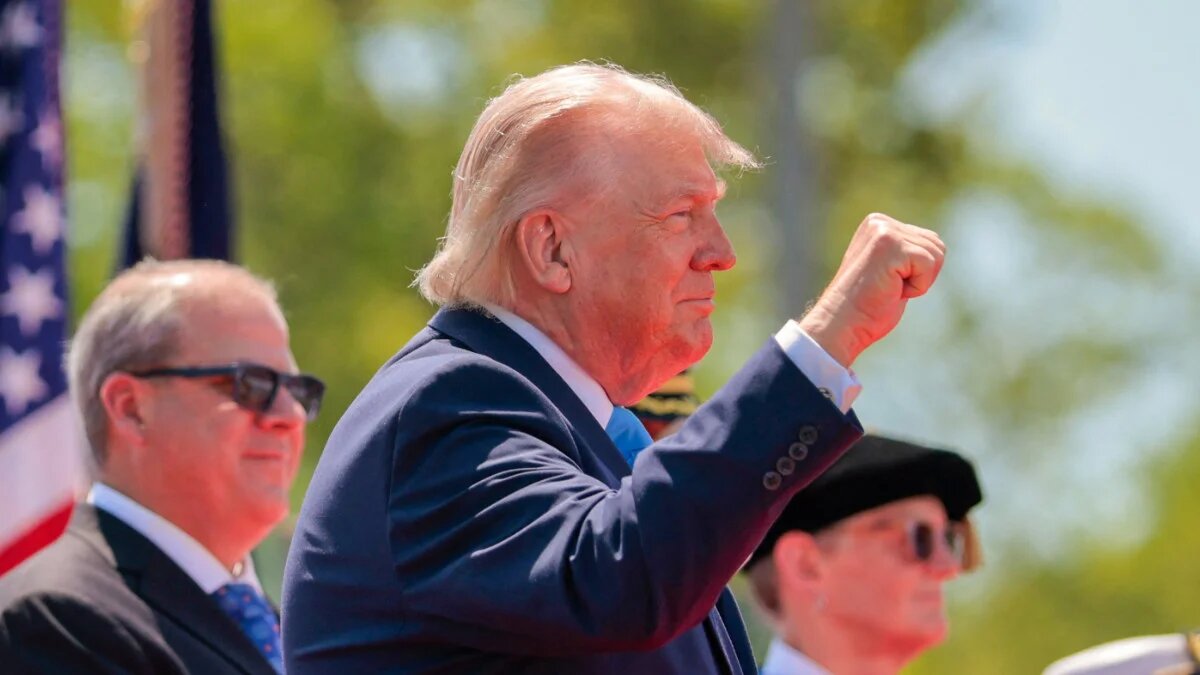
President Trump, speaking to reporters during a public appearance, said the negotiations were progressing toward a decisive moment. He warned that failure to reach an agreement could result in severe consequences, while also emphasizing that diplomacy remained the preferred option. The U.S. administration has repeatedly insisted that Iran must not be allowed to develop nuclear weapons capability and has linked any potential deal to strict verification measures and broader regional security commitments.
The talks are unfolding against the backdrop of heightened military tensions in the Middle East. Recent months have seen repeated threats of renewed attacks, concerns over disruptions in the Strait of Hormuz, and fears of a wider regional conflict involving several international actors. The strategic waterway remains one of the world’s most critical energy shipping routes, making the outcome of the negotiations significant for global oil markets and international trade. 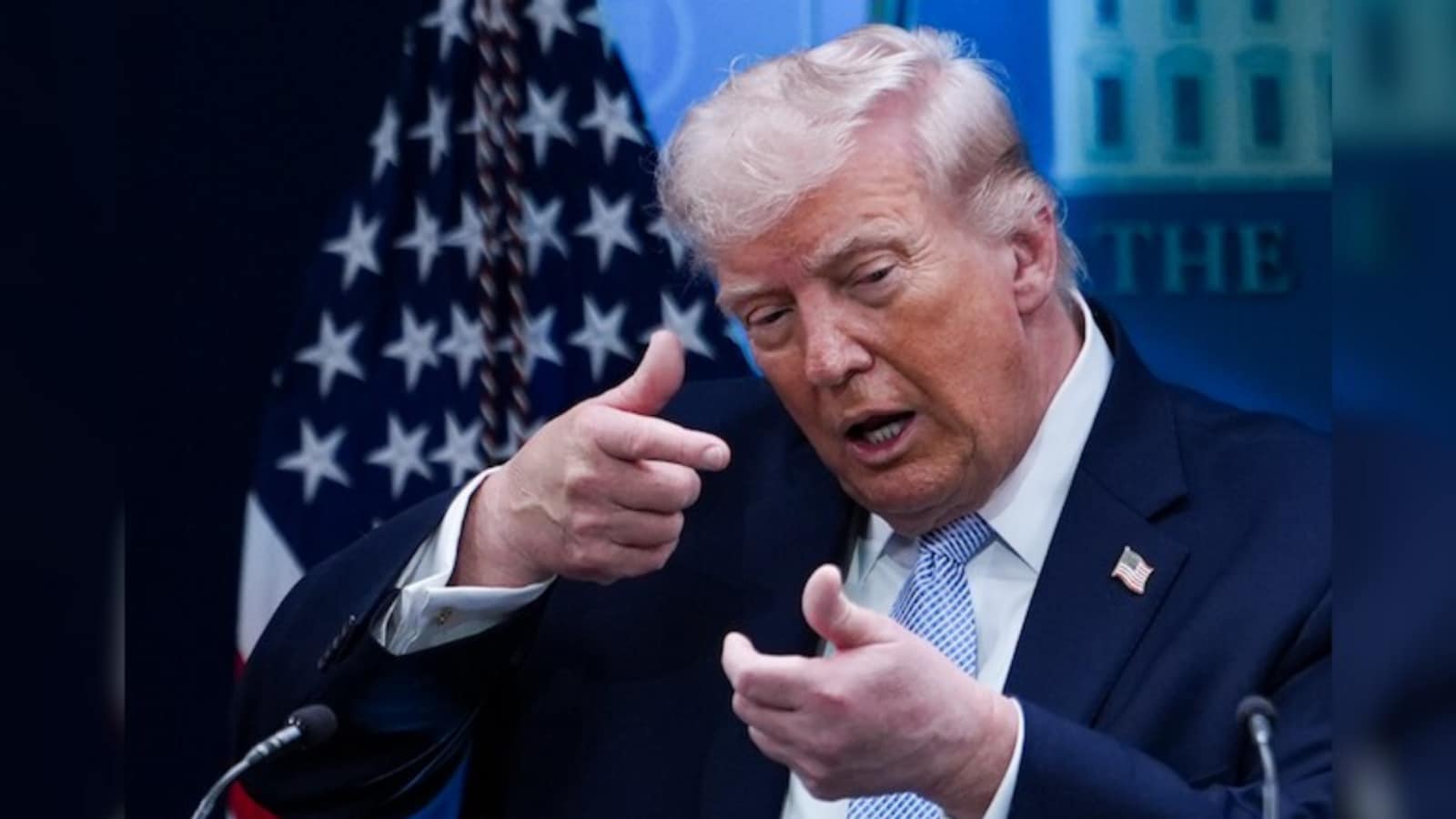
Analysts believe the current diplomatic effort reflects growing pressure on both governments to avoid further escalation. For the United States, stabilizing the region and preventing another prolonged conflict has become a major strategic objective. For Iran, economic pressures caused by sanctions and ongoing geopolitical isolation continue to weigh heavily on domestic stability and long-term economic recovery.
Reports suggest that earlier proposals exchanged between the two sides faced significant disagreements, particularly regarding Iran’s uranium enrichment program, missile capabilities, and regional alliances. Tehran has consistently maintained that its nuclear program is intended for peaceful purposes, while Washington and its allies remain skeptical about Iran’s long-term intentions.
International observers are closely monitoring the negotiations, as any progress could influence energy prices, diplomatic relations across the Middle East, and broader global security dynamics. Financial markets have already reacted to signs of diplomatic movement, with oil prices experiencing fluctuations amid hopes that tensions may ease if an agreement is reached.
Despite cautious optimism, major obstacles remain unresolved. Iranian officials continue to demand meaningful sanctions relief and assurances that future U.S. administrations will not abandon any agreement reached through the current negotiations. Meanwhile, Washington is seeking stricter commitments and transparency measures from Tehran before moving toward normalization.
The latest diplomatic developments also highlight the increasing involvement of regional mediators seeking to prevent another major military confrontation in the Middle East. Countries across the region have expressed concern that renewed conflict could destabilize energy supplies, disrupt trade routes, and deepen existing humanitarian crises.
As discussions continue, both sides appear to be balancing diplomatic engagement with strong public messaging aimed at protecting their strategic interests. While President Trump projected confidence that a deal may be close, Iranian officials have remained more cautious, emphasizing that any final decision will depend on whether the proposal adequately addresses Iran’s national interests and sovereignty concerns.
The coming days are expected to be crucial in determining whether the negotiations can produce a formal framework for de-escalation and a potential revival of broader diplomatic cooperation between Tehran and Washington.