
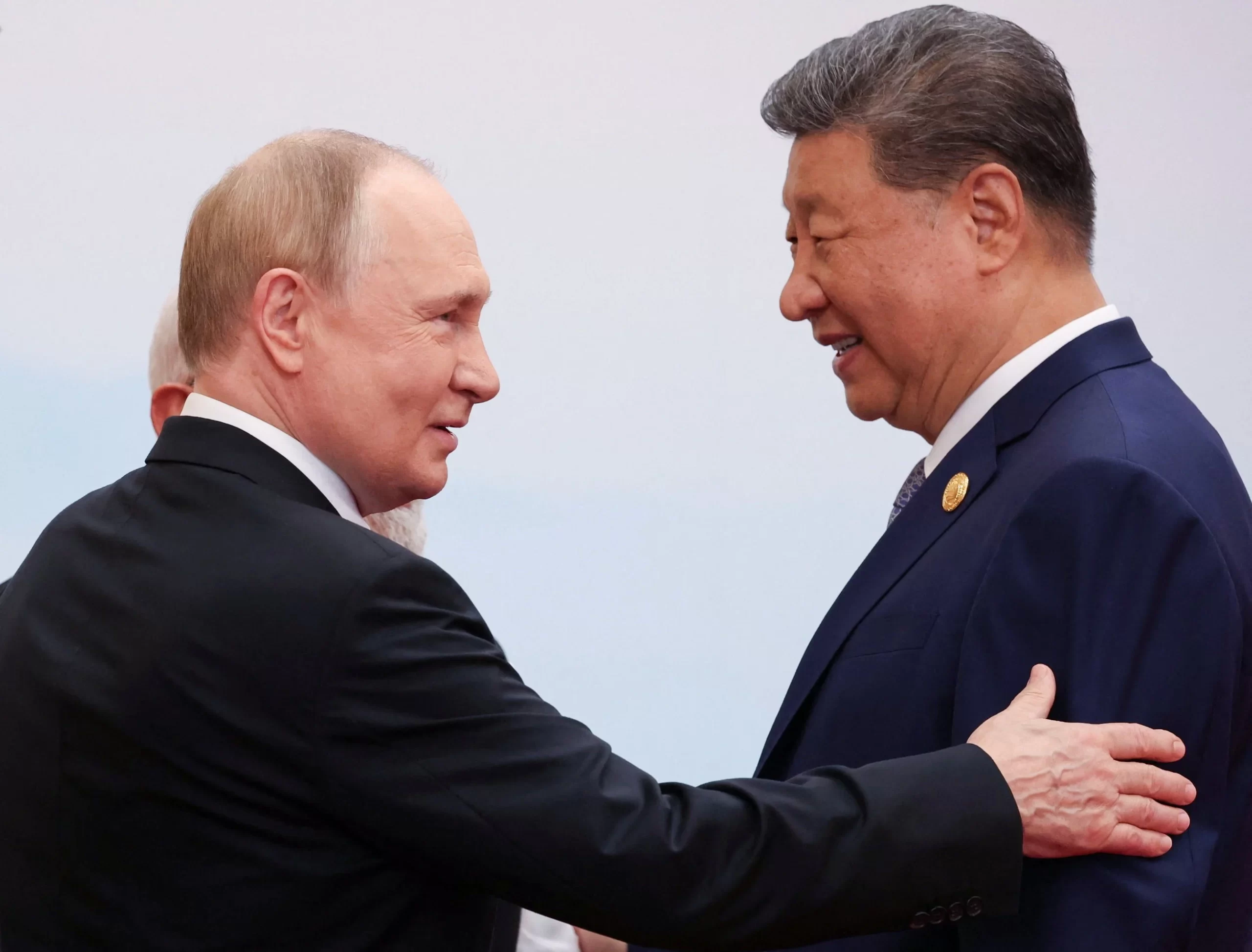
Russian President Vladimir Putin arrived in Beijing for a high-profile diplomatic visit aimed at strengthening ties with Chinese President Xi Jinping, underscoring the growing strategic partnership between Moscow and Beijing at a time of mounting global uncertainty and geopolitical realignment.
The visit comes as both nations continue to deepen economic, political, military, and diplomatic cooperation amid sustained tensions with Western countries. Analysts view the summit as a critical moment in shaping the future direction of the Russia-China alliance, particularly as the international balance of power undergoes significant changes following ongoing conflicts, sanctions, and evolving global trade dynamics.
During meetings in Beijing, Putin and Xi reportedly focused on expanding bilateral cooperation in energy, technology, infrastructure, defense, and trade. The two leaders also discussed international security issues, regional stability, and the changing global order, while emphasizing their commitment to what they described as a “comprehensive strategic partnership.”
The Kremlin and Chinese leadership have increasingly projected a united front against Western influence, especially in response to sanctions imposed on Russia and broader geopolitical competition involving the United States and its allies. The latest talks further highlight how Beijing and Moscow are attempting to reshape global diplomacy through closer coordination in international institutions and economic frameworks.
Observers noted that the visit carries added significance due to growing political uncertainty in the United States ahead of possible leadership changes involving former US President Donald Trump. Both Russia and China are closely monitoring developments in Washington, particularly regarding future American foreign policy toward Ukraine, Taiwan, trade, and international alliances.
Putin’s visit also reflects Russia’s increasing reliance on China as a major economic and diplomatic partner since Moscow faced extensive Western sanctions. China has emerged as one of Russia’s largest trading partners, with bilateral trade reaching record levels in recent years. Energy cooperation remains central to the relationship, with Russia continuing to supply oil and gas to China through expanded pipelines and long-term agreements. 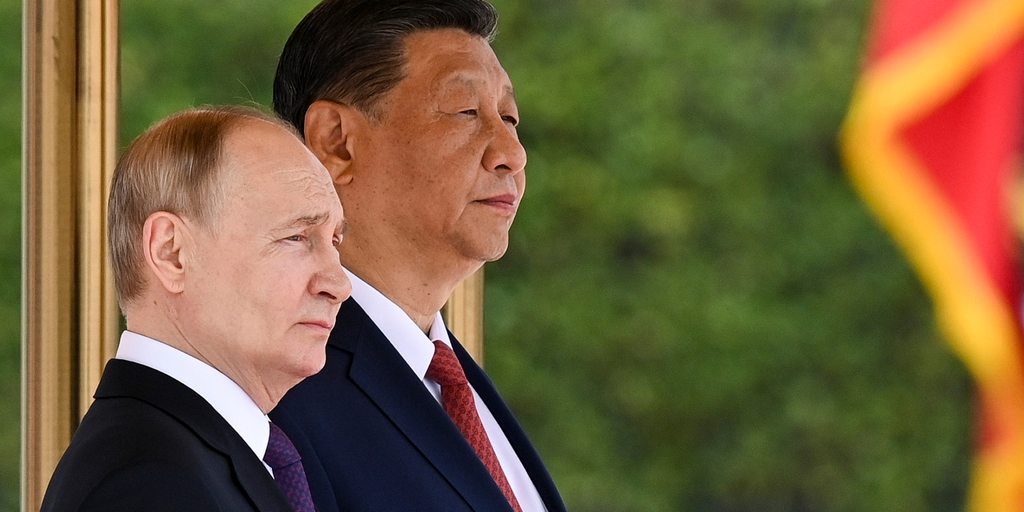
At the same time, Beijing has sought to maintain a delicate diplomatic balance. While China has refrained from openly endorsing Russia’s military actions in Ukraine, it has consistently criticized Western sanctions and NATO expansion, while promoting dialogue and negotiations as pathways to conflict resolution.
The Beijing summit further reinforces Xi Jinping’s broader geopolitical strategy of positioning China as a leading global power capable of challenging Western dominance. Xi has repeatedly advocated for a multipolar world order, arguing that emerging economies should have greater influence in international affairs.
Security experts believe the strengthening Moscow-Beijing relationship could have far-reaching consequences for global diplomacy and strategic stability. The expanding cooperation between the two powers is being closely watched by Western governments, particularly amid concerns over defense collaboration, cyber security, artificial intelligence, and regional military influence.
Despite growing international scrutiny, both leaders projected confidence and unity throughout the meetings, highlighting what they described as mutual trust and long-term cooperation. Joint statements released after the discussions emphasized respect for sovereignty, opposition to unilateral sanctions, and commitment to expanding bilateral initiatives across multiple sectors.
Political analysts suggest the timing of the visit is particularly important as Russia seeks to demonstrate that it is not internationally isolated despite ongoing Western pressure. For China, maintaining strong relations with Moscow provides strategic leverage in its broader competition with the United States and its allies.
The summit also served as a symbolic display of solidarity between two of the world’s most influential powers at a time when international alliances are rapidly evolving. As global geopolitical divisions continue to intensify, the Russia-China partnership is expected to remain a major factor influencing international diplomacy, trade networks, and security policies in the years ahead.