
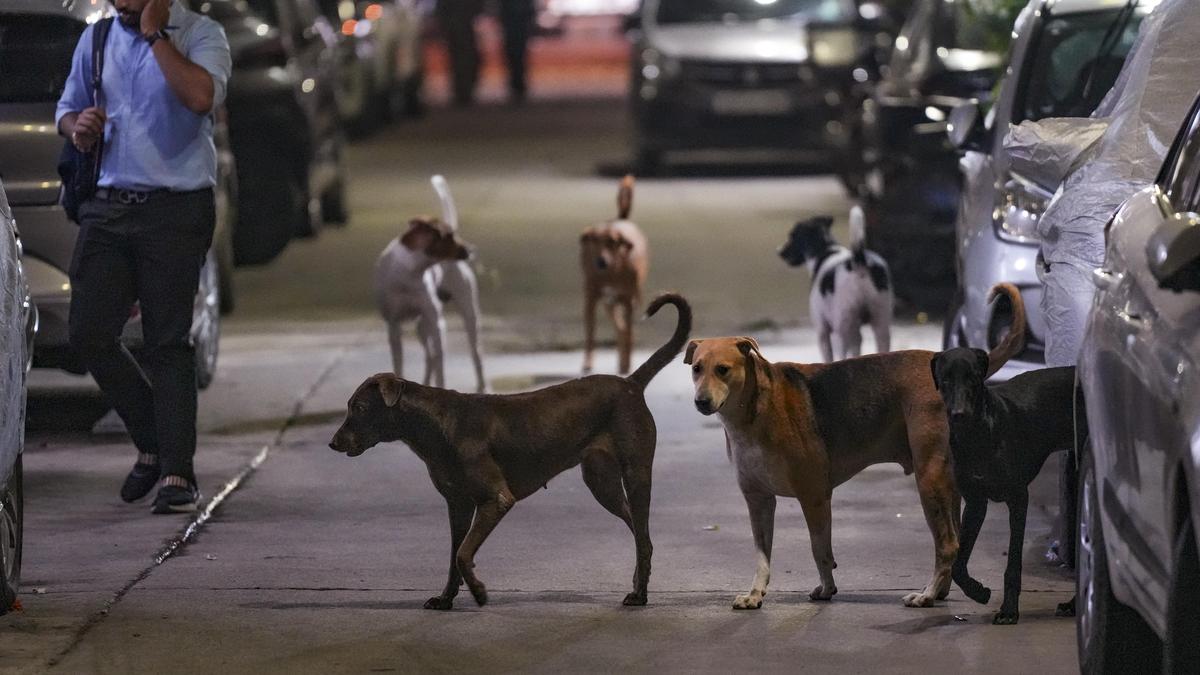
The Supreme Court on Monday declined to modify its earlier directives regarding the relocation of stray dogs from public spaces, reiterating that authorities cannot ignore the growing number of dog bite incidents across the country. The court’s observations came during a hearing on pleas seeking changes to previous orders concerning the management and relocation of stray canines from sensitive public areas such as schools, hospitals, railway stations, and bus depots.
A bench of the apex court emphasized that public safety remains a priority and noted that repeated incidents involving stray dog attacks have become a matter of serious concern. The judges reportedly observed that authorities and stakeholders cannot overlook the danger posed by unchecked stray dog populations, especially in densely populated urban areas where children and elderly citizens are vulnerable.
The matter has drawn nationwide attention over the past several months after multiple reports highlighted increasing dog bite incidents and rabies-related concerns in several cities. Earlier orders issued by the Supreme Court had directed civic authorities and state governments to identify sensitive public spaces and ensure that stray dogs are relocated to designated shelters while following prescribed animal welfare protocols.
During the latest hearing, petitioners sought modifications to the court’s previous directives, arguing that large-scale relocation could create logistical and humanitarian challenges. Animal welfare groups and activists have repeatedly raised concerns regarding the availability of shelters, sterilisation facilities, vaccination infrastructure, and long-term rehabilitation plans for relocated dogs.
However, the Supreme Court maintained that the issue of rising dog attacks cannot be ignored merely because implementation remains difficult. The bench reportedly pointed out that many local authorities have failed to take sustained and effective measures to control stray dog populations, despite repeated directions and the existence of legal frameworks under animal birth control rules. 
The court also underlined that civic agencies must strike a balance between animal welfare and human safety. Judges observed that several institutions, including hospitals, educational campuses, transportation hubs, and public facilities, have witnessed recurring complaints involving aggressive stray dogs and dog bite incidents.
The issue has triggered intense public debate across the country. While resident welfare associations and several citizens’ groups have demanded stricter action to curb stray dog attacks, animal rights activists have argued that indiscriminate relocation could lead to overcrowded shelters, poor living conditions, and potential cruelty toward animals.
In previous hearings, the apex court had expressed concern over the scale of dog bite cases reported nationwide. Government representatives informed the court that millions of dog bite incidents are recorded annually across India, with several cases leading to severe injuries and rabies-related deaths.
The Supreme Court has also repeatedly criticized municipal bodies and local administrations for failing to properly implement sterilisation and vaccination drives. The bench observed that existing rules already provide mechanisms for humane population control, but ineffective enforcement and administrative lapses have worsened the situation in many cities.
The court’s refusal to alter its earlier order signals a continued push for stricter implementation of measures aimed at reducing risks posed by stray dogs in public areas. Authorities across several states are now expected to accelerate efforts to establish shelter homes, expand sterilisation facilities, and improve coordination between municipal bodies and animal welfare agencies.
The matter is expected to remain under judicial scrutiny as civic authorities submit compliance reports and action plans in the coming weeks. Meanwhile, the broader debate over balancing public safety with animal rights continues to generate strong reactions from legal experts, civic groups, animal welfare organisations, and citizens across India.