
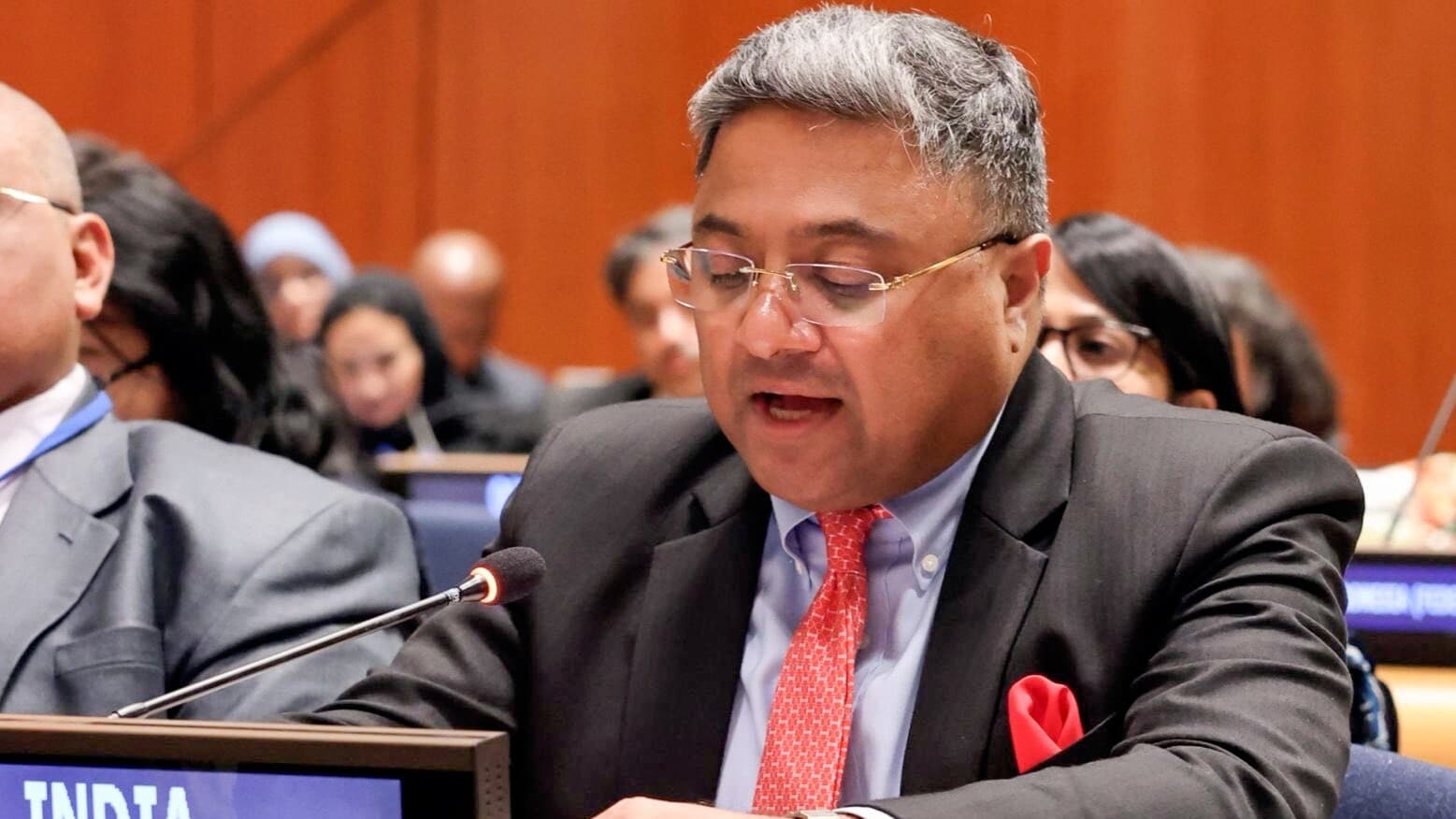
Prime Minister Narendra Modi’s ongoing Europe tour triggered a diplomatic and media controversy after a tense exchange unfolded between senior Indian diplomat Sibi George and Norwegian journalists during an official press briefing in Oslo. The confrontation centered around questions regarding press freedom, human rights, and the Prime Minister’s decision not to take questions from reporters during a joint media appearance with Norway’s leadership.
The incident occurred during the fourth leg of Modi’s multi-nation European visit, which has focused on strengthening India’s strategic partnerships in areas such as trade, technology, energy, and global cooperation. However, diplomatic discussions were briefly overshadowed by sharp questions from members of the Norwegian media regarding democratic freedoms and journalistic access in India.
During the media interaction, journalists questioned why Prime Minister Modi did not engage directly with reporters despite being in what one journalist described as “the world’s freest press environment.” The remarks quickly escalated into a broader discussion on India’s democratic credentials, media freedom rankings, and allegations surrounding human rights concerns.
Responding firmly, Ministry of External Affairs Secretary (West) Sibi George defended India’s constitutional framework and democratic traditions. He emphasized that India is one of the world’s oldest continuous civilizations and highlighted the country’s commitment to equality, democratic participation, and constitutional rights.
George argued that India’s democratic institutions remain robust and stressed that citizens whose rights are violated have legal remedies available through the judicial system. He pointed to India’s constitutional guarantees, universal voting rights since independence, and the country’s democratic electoral process as evidence of its commitment to human rights and equality. 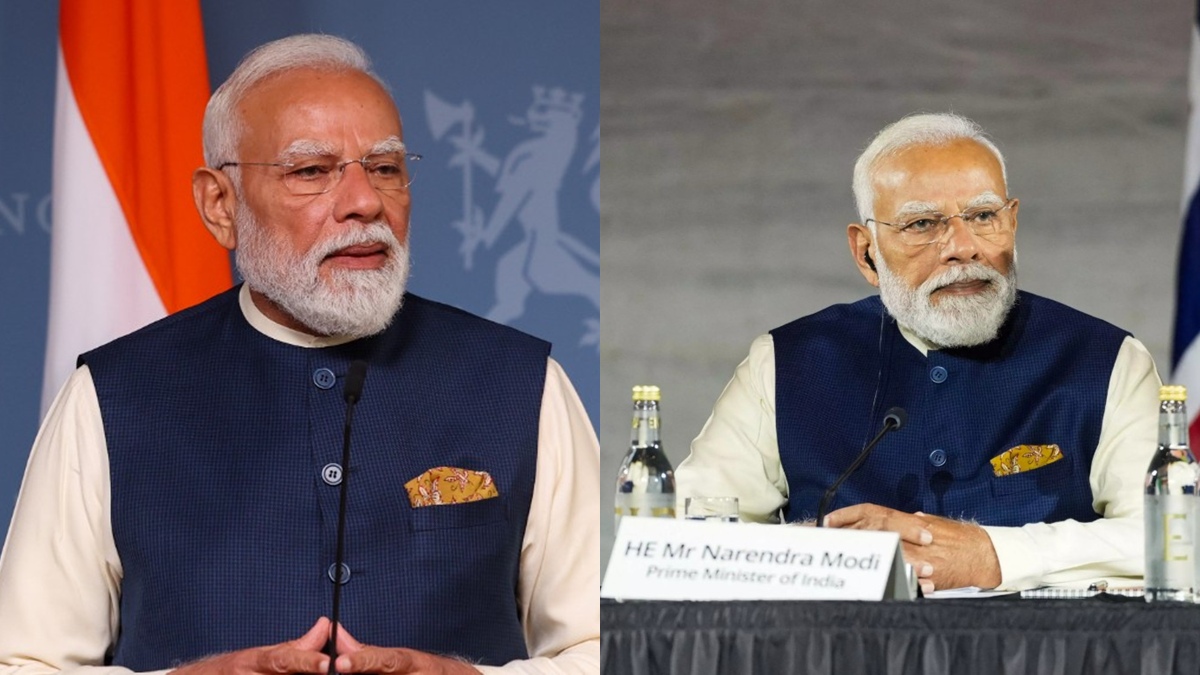
The senior diplomat also rejected criticism directed at India’s media landscape, asserting that many foreign observers fail to understand the scale and diversity of Indian journalism. He noted that India has hundreds of television news channels operating across multiple languages and described the country’s media environment as highly active and competitive.
The exchange became increasingly heated when journalists repeatedly pressed for direct answers regarding international concerns over press freedom and minority rights in India. George responded by saying that India should not be judged solely through reports published by external organizations unfamiliar with the country’s complexities and democratic realities.
The controversy initially gained traction after a video circulated online showing Prime Minister Modi leaving a press venue without taking questions from journalists. In the clip, a journalist could be heard asking why the Indian leader was not engaging with the press despite visiting a country known for strong press freedoms. The video quickly generated reactions across social media platforms and international political circles.
At the subsequent MEA briefing, journalists again raised questions regarding transparency, accountability, and India’s international image. George maintained that handling media briefings during official visits falls within the responsibilities of diplomatic officials and reiterated that India remains proud of its democratic system.
The incident has sparked widespread debate internationally and within India over political communication, media engagement during diplomatic visits, and differing perceptions of press freedom between nations. Supporters of the government praised George for forcefully defending India’s image on an international stage, while critics argued that the exchange reflected growing scrutiny of India’s democratic institutions abroad.
The diplomatic row emerged even as India’s Europe outreach achieved significant bilateral developments in sectors including semiconductors, trade cooperation, strategic partnerships, technology, and cultural exchange agreements. Government officials have emphasized that the broader purpose of the Prime Minister’s visit remains focused on expanding India’s global partnerships and economic collaboration with European nations.
Despite the controversy, Indian officials continued to project confidence in the country’s democratic framework and international standing. The Ministry of External Affairs maintained that India’s constitutional values, electoral system, and independent judiciary continue to form the foundation of the nation’s democratic identity.