
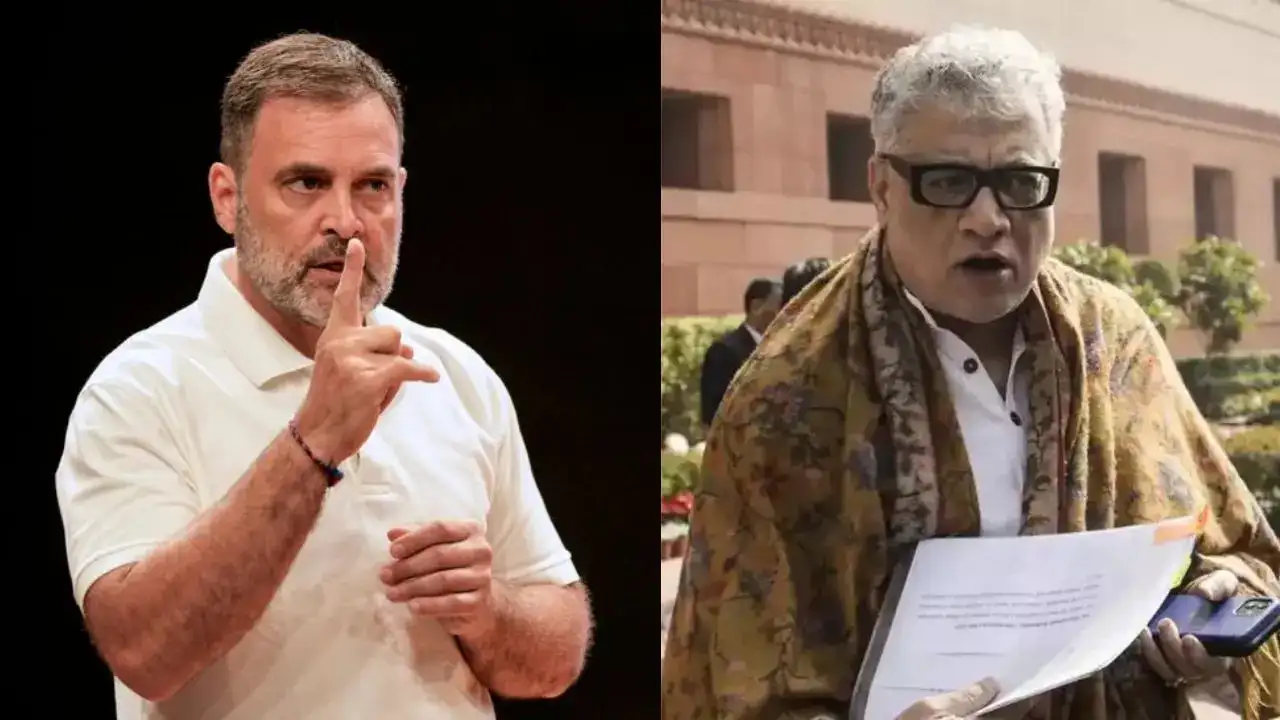
The political battle over rising fuel prices intensified on Friday after petrol and diesel rates were increased across the country, triggering a sharp exchange between the ruling BJP and the Opposition Congress. The hike came days after Prime Minister Narendra Modi appealed to citizens to reduce fuel consumption and adopt austerity measures in response to mounting global energy pressures linked to geopolitical tensions in West Asia.
Congress leaders launched a fierce attack on the government, accusing it of preparing the public for higher fuel costs through repeated appeals for conservation. The Opposition alleged that the latest increase in petrol and diesel prices reflected what it described as the government’s “recovery drive” after elections, arguing that ordinary citizens were once again being forced to bear the burden of inflation and economic stress.
The controversy emerged amid a broader national conversation over India’s energy security and the economic fallout of rising crude oil prices in the international market. Global supply concerns linked to tensions in the Strait of Hormuz and the wider West Asia conflict have pushed oil-importing nations, including India, into a difficult economic position.
Congress Alleges Government Is Shifting Burden to Citizens
Senior Congress leaders accused the BJP-led government of indirectly signalling future economic hardships through appeals asking citizens to cut fuel use, avoid unnecessary travel, postpone gold purchases, and embrace work-from-home arrangements wherever possible.
Opposition leaders claimed that instead of insulating citizens from global economic shocks, the government was preparing people for additional financial strain. The Congress argued that the increase in fuel prices would worsen inflation, raise transportation costs, and directly impact household budgets already under pressure from rising prices of essential goods and services.
The party also questioned the timing of the price hike, alleging that fuel prices were kept under control during election periods and revised upward afterward. Political leaders from several opposition parties echoed similar criticism, saying the increase would affect farmers, transport operators, small businesses, and middle-class families. 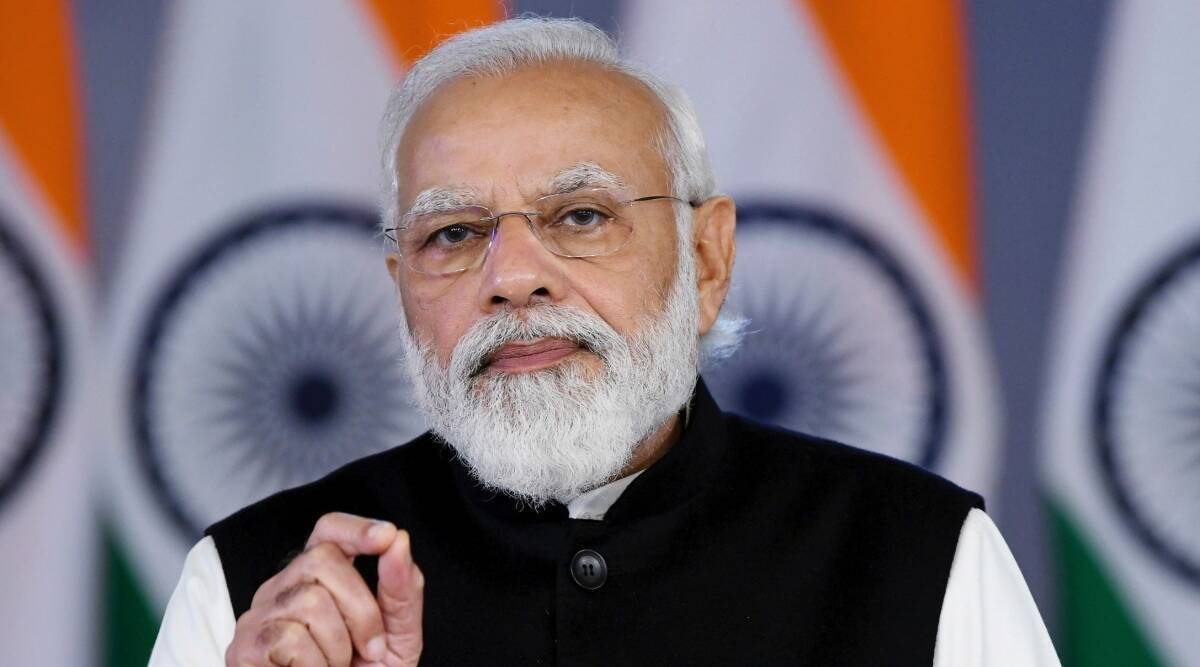
BJP Defends PM Modi’s Appeal
The BJP, however, strongly defended Prime Minister Modi’s call for fuel conservation, describing it as a responsible and patriotic appeal made during a period of global uncertainty. Party leaders argued that the government was attempting to minimise the impact of international oil shocks while encouraging citizens to adopt sustainable and energy-efficient practices.
According to BJP leaders, the Prime Minister’s message focused on reducing unnecessary fuel consumption, promoting public transport, encouraging electric vehicle adoption, and limiting non-essential expenditure to help safeguard India’s foreign exchange reserves during a volatile global energy situation.
Government supporters also pointed out that India remains heavily dependent on crude oil imports, making the economy vulnerable to international conflicts and disruptions in shipping routes. BJP leaders maintained that the administration was taking preventive steps to reduce economic pressure before the situation escalated further.
Fuel Price Hike Sparks Wider Economic Concerns
The rise in petrol and diesel prices has reignited concerns about inflation and economic stability. Analysts warned that higher fuel costs could trigger price increases across multiple sectors because transportation and logistics expenses directly affect the supply chain.
Financial markets also reacted nervously to the growing uncertainty surrounding crude oil prices and India’s import bill. Concerns over inflationary pressure, currency weakness, and the potential impact on consumer spending have contributed to cautious investor sentiment in recent days.
Economic experts noted that fuel price hikes often have a cascading effect on daily life, influencing food prices, public transport fares, manufacturing costs, and overall business operations. The developments have also intensified political debate over how the government should balance fiscal management with public welfare during global crises.
Debate Over Austerity Measures Intensifies
Prime Minister Modi’s earlier appeal urging citizens to conserve fuel and reduce discretionary spending has become a major political flashpoint. Opposition parties argued that such messaging reflected economic distress, while BJP leaders framed it as a practical response to extraordinary global circumstances.
The debate has expanded beyond politics into discussions about energy dependence, economic resilience, and long-term sustainability. Industry observers believe the government may increasingly push for alternative energy solutions, electric mobility, and domestic energy reforms if global oil volatility continues.
As fuel prices continue to dominate national discourse, both the government and opposition are expected to intensify their campaigns around inflation, economic management, and the impact of global crises on Indian households in the weeks ahead.